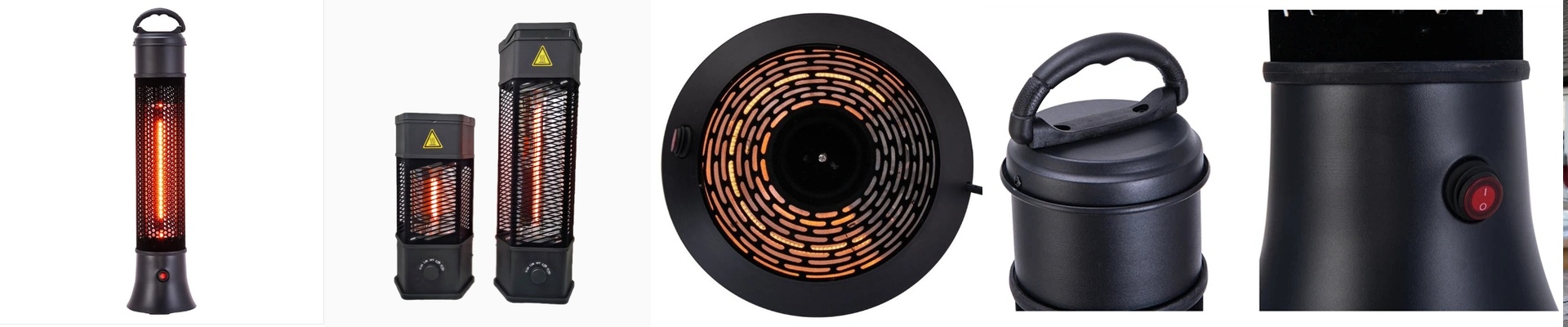
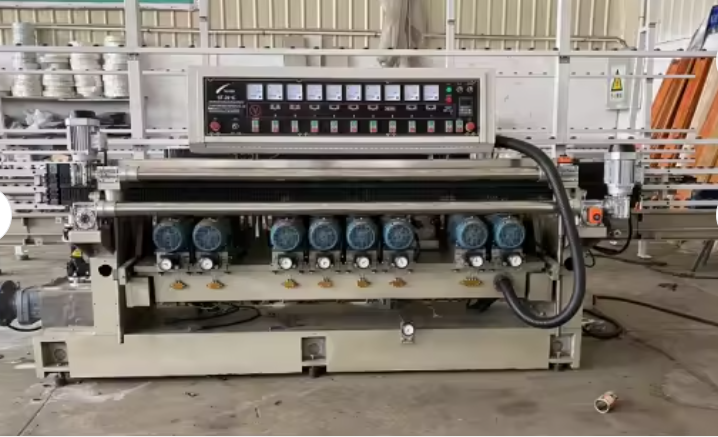
Out on the glass line, the cold-end coating dryer sits right where the finish gets locked in and the schedule is never forgiving. If the dryer can’t keep up, you’ll see solvent traps, uneven cure, and optical drift that shows up as haze on the final pack. You can push line speed all you want—without the right thermal profile, yield will slip. We built this dryer around short-wave NIR emitters in a quartz envelope, tuned to dump energy fast while keeping the spectrum tight. The module targets 230–280°C at the glass surface, with adjustable power density so it can match low-E and functional coatings without cooking the substrate. The heating field is engineered for uniformity, so you don’t fight thermal gradients that drive stress and edge defects. Response is quick—seconds to setpoint—so when line speed changes, you don’t have to wait on convection to catch up. Output holds steady through 5,000+ hours with less than 5% drop, which means fewer setpoint tweaks and consistent film properties. This unit belongs where glass moves fast and the process has to stay disciplined: tempering, bending, and coating lines. It plays clean with EVA and SGP lamination cycles, supports insulating glass sealing by drying primers and desiccants, and keeps the thermal footprint contained so you don’t bake the equipment next door. Energy goes into the coating, not the air, so you’re not wasting kilowatts. The payoff is fewer rework sheets and consistent haze and emissivity, shift after shift. Installation is straightforward, but the optics matter. You have to maintain line-of-sight to the coating, and reflectors need periodic alignment to hold uniformity. The module drops into common OEM footprints, but if your conveyor spacing or guarding is tight, confirm clearances up front. Match voltage and connector specs to your cabinet, and set the control to follow line speed, not the other way around.
บนสายการผลิตกระจก เครื่องอบเคลือบปลายเย็นจะตั้งอยู่ตรงจุดที่การเคลือบถูกล็อกให้คงสภาพ และตารางเวลาการผลิตที่ไม่ยืดหยุ่น หากเครื่องอบไม่สามารถตามทัน จะเกิดปัญหาการดักจับสารละลาย การเคลือบที่ไม่สม่ำเสมอ และการเปลี่ยนแปลงทางแสงที่แสดงออกเป็นฝ้าบนแพ็คสุดท้าย คุณจะเร่งความเร็วสายการผลิตเท่าไหร่ก็ได้—แต่ถ้าโปรไฟล์ความร้อนไม่ถูกต้อง ผลผลิตจะลดลง
เราออกแบบเครื่องอบนี้โดยใช้หัวปล่อยคลื่นสั้น NIR ภายในปลอกควอตซ์ ปรับแต่งให้ปล่อยพลังงานได้รวดเร็วในขณะที่รักษาสเปกตรัมให้แคบ โมดูลนี้ตั้งเป้าอุณหภูมิที่ 230–280°C บนผิวกระจก โดยมีความหนาแน่นกำลังไฟที่ปรับได้เพื่อให้เหมาะสมกับการเคลือบ Low-E และฟังก์ชันอื่น ๆ โดยไม่ทำให้วัสดุต้นทางเสียหาย สนามความร้อนถูกออกแบบให้สม่ำเสมอ เพื่อป้องกันการเกิดความแตกต่างของอุณหภูมิที่ก่อให้เกิดความเครียดและข้อบกพร่องบริเวณขอบ
การตอบสนองรวดเร็ว—ใช้เวลาเพียงไม่กี่วินาทีถึงจุดตั้งค่า—ดังนั้นเมื่อความเร็วสายการผลิตเปลี่ยนแปลง คุณไม่ต้องรอการถ่ายเทความร้อนแบบพาความร้อนให้ตามทัน กำลังผลิตคงที่ตลอดการใช้งานกว่า 5,000 ชั่วโมงโดยลดลงไม่เกิน 5% ซึ่งหมายถึงการปรับจุดตั้งค่าน้อยลงและคุณสมบัติฟิล์มที่คงที่
อุปกรณ์นี้เหมาะกับสายการผลิตที่กระจกเคลื่อนที่เร็วและกระบวนการต้องมีวินัย เช่น สายการผลิตเทมเปอร์ ดัดโค้ง และเคลือบ มันทำงานร่วมกับวงจรการลามิเนต EVA และ SGP ได้อย่างเหมาะสม สนับสนุนการปิดผนึกกระจกฉนวนโดยการอบไพรเมอร์และสารดูดความชื้น และจำกัดรอยเท้าความร้อนเพื่อป้องกันไม่ให้อุปกรณ์ข้างเคียงได้รับความร้อน พลังงานถูกส่งเข้าสู่การเคลือบโดยตรง ไม่ใช่ในอากาศ จึงไม่สิ้นเปลืองพลังงานไฟฟ้า ผลลัพธ์คือแผ่นงานที่ต้องแก้ไขซ้ำน้อยลงและความฝ้ารวมถึงการแผ่รังสีที่คงที่ในแต่ละกะ
การติดตั้งทำได้ง่าย แต่ระบบออปติกมีความสำคัญ ต้องรักษาเส้นสายตาตรงไปยังผิวเคลือบ และตัวสะท้อนแสงต้องได้รับการปรับตั้งเป็นระยะเพื่อรักษาความสม่ำเสมอ โมดูลสามารถติดตั้งในขนาดที่ OEM ทั่วไปใช้ได้ แต่ถ้าช่องว่างระหว่างสายพานลำเลียงหรือระบบป้องกันแคบ ควรตรวจสอบระยะห่างล่วงหน้า ให้แน่ใจว่าแรงดันไฟฟ้าและสเปกขั้วต่อเข้ากันกับตู้ควบคุม และตั้งค่าการควบคุมให้ตามความเร็วสายการผลิต ไม่ใช่ในทางกลับกัน