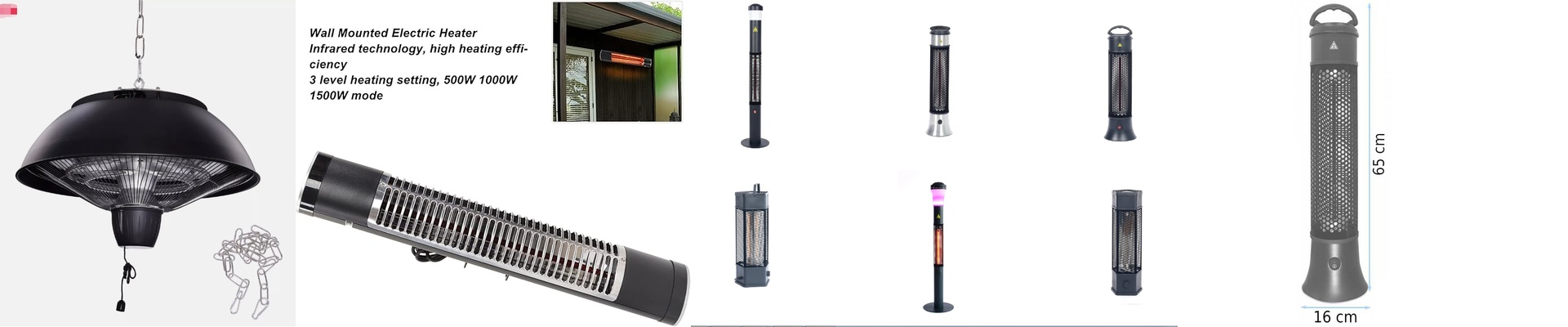
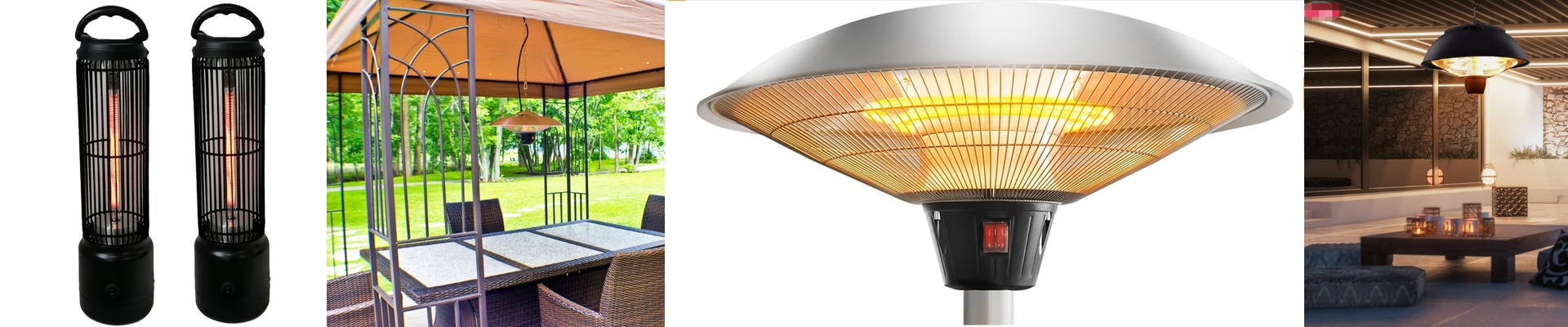
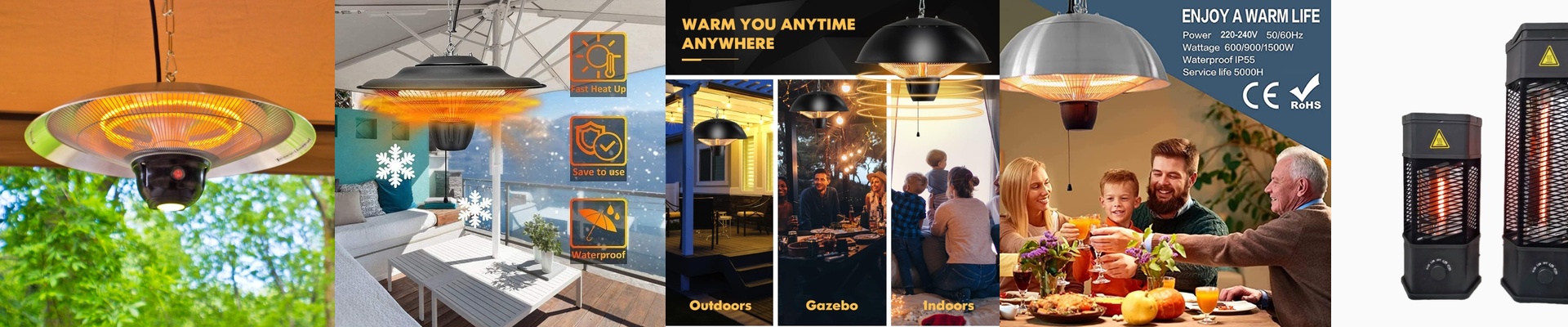
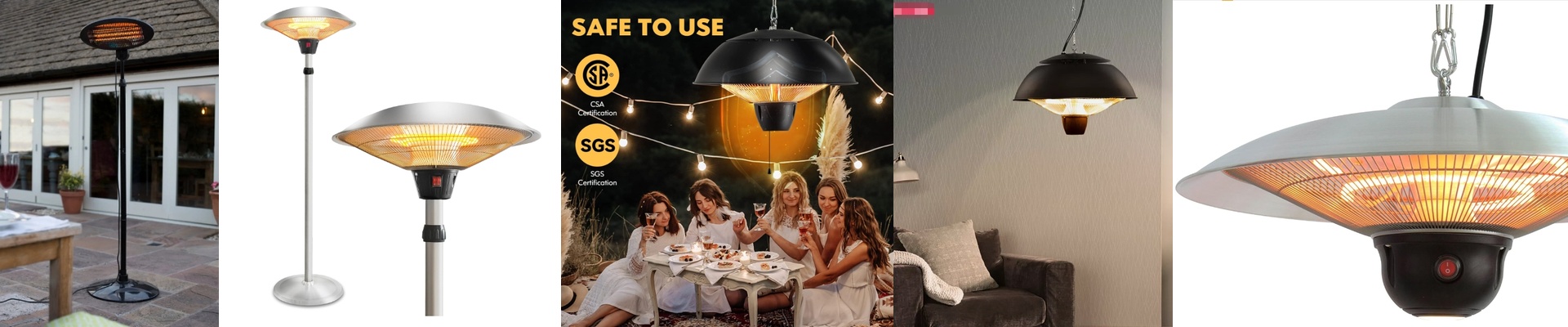
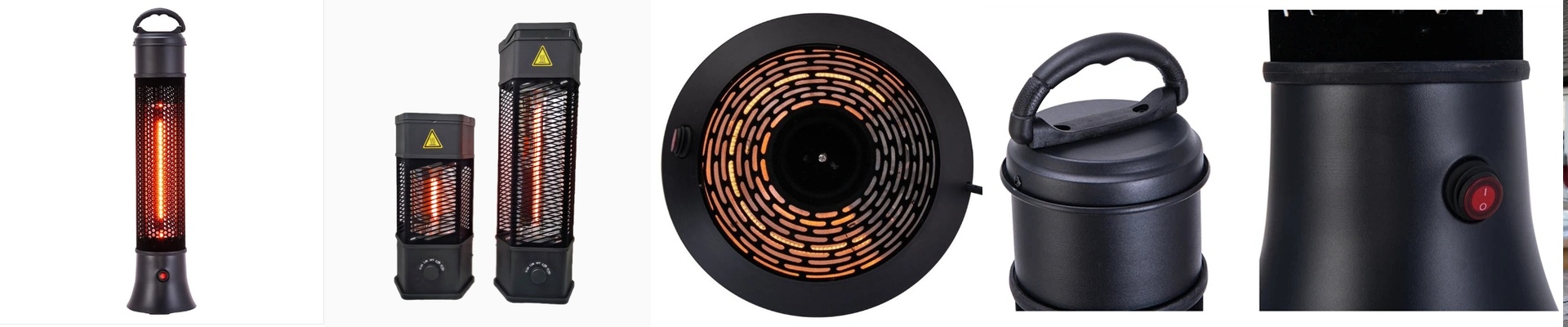
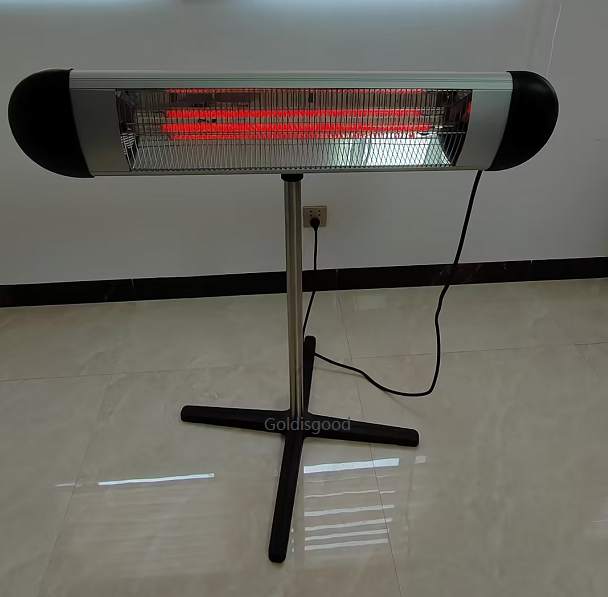
Winter nights have a way of turning bedrooms into a tug-of-war between warmth and sleep. A heater that clicks, hums, or cycles on and off doesn’t just disturb the room—it shatters that delicate entry into deep sleep. That’s why a genuinely quiet infrared electric heater is the sensible call for anyone chasing better sleep. What matters, technically Infrared warmth works the same way the sun does—by radiation—so it heats people and surfaces directly instead of pushing air around. In a bedroom, we lean on a low-glare carbon fiber element that delivers gentle radiant heat with next to no audible output. The unit runs off a standard 120V outlet, draws 1500W, and is controlled by a thermostat that holds your set temperature with small, infrequent adjustments. You get tip-over protection and overheat protection built in, and the exterior stays cool to the touch. Why it works in a bedroom Because the heat is radiant, comfort hits almost immediately—no loud fan, no dusty drafts, no sudden blasts that jolt you awake. That steady warmth helps you fall asleep faster and stay asleep longer. Many users notice fewer nighttime awakenings and less morning stiffness, since consistent warmth helps muscles relax and keeps circulation feeling steadier. And the air doesn’t feel as dry, because this method doesn’t strip moisture by constantly moving air. A few real-world notes This is a line-of-sight heater: it warms what it “sees,” so placement matters. Keep it aimed toward the bed and nightstand, not the wall. It’s designed for indoor use, so it isn’t built to handle rain or snow. For best results, match the model to your room size—too small and it will run longer; too large and you can overheat the space before you feel the full comfort.