Stop Fighting Your Glass: Why You Need Infrared Preheating
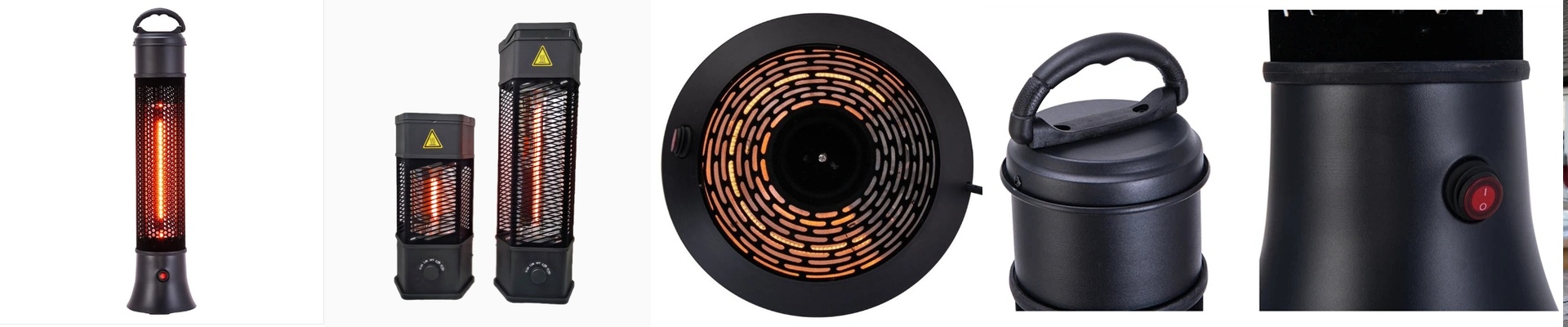
Ever try to cut a glass bottle and end up with a jagged, messy edge? It’s frustrating. You score the line perfectly, you apply the pressure, and then—snap—the crack wanders off in some random direction. Here is what’s actually happening: cutting glass creates a ton of localized stress. When you score that bottle, you’re basically making a tiny, invisible crack. If the glass is cold, it’s brittle. Any sudden pressure or temperature jump makes that crack jump the tracks. That’s how you get those annoying chips. To fix this, we use infrared (IR) heaters to get the glass settled before the cut. The secret is in the heat. Glass doesn’t move heat around very well. By hitting the surface with targeted IR radiation, we warm it up just enough to relax the material. It makes the glass a bit more “forgiving.” When it’s preheated, the crack actually stays on the line you drew. You get a clean, crisp break. It feels less like a gamble and more like a science. Setting up your gear If you’re doing this in a home shop or a small studio, shortwave IR lamps are your best bet. I personally stick with quartz halogen tubes. They get up to temperature fast, which keeps your workflow moving. The trick is all about the distance. You want a high concentration of heat right where you’re cutting. If the lamp is too far away, you’re just wasting electricity. But be careful—if it’s too close, you can overheat the glass and it might just shatter on its own. Not a great sound to hear in a quiet shop. To keep things steady, hook your lamps up to a PID controller. You’re looking for a sweet spot—usually between 80°C and 120°C. Your glass thickness will dictate exactly where you land. A few warnings from the trenches High-wattage lamps are great because they ramp up quickly, but they have a downside: heat soak. These things throw heat everywhere, not just at the bottle. If you aren’t careful, you’ll fry your own electronics. I highly suggest shielding your wiring and making sure your housing has plenty of vents. Without a fan or a decent heat sink, the air around your cutter will get stifling. Over time, that heat will warp your plastic parts or melt your wire insulation. Keep it cool, keep it vented, and your cuts will stay clean.