
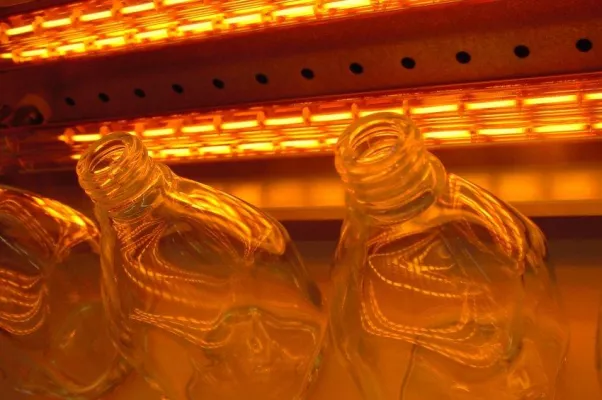
On the floor, timing is everything. A single minute of slow warm-up in bending or lamination snowballs into missed orders and off-spec glass. We designed our heating elements to cut that uncertainty out—delivering predictable heat exactly where and when you need it. What matters under the hood We use short-wave quartz emitters with tight spectral control, so the energy goes into the glass and coatings, not into fixtures or the air. In production, the numbers that matter are a fast ramp to setpoint, temperature stability within ±3°C across the element, and power densities matched to the machine footprint. We offer standard voltages and custom geometries, including terminal styles that drop straight into common OEM fixtures—less rework, more uptime. Here’s why it plays out in real processes. In hot bending, uniform heat across the mold keeps optical distortion down and prevents thermal stress cracks. In tempering, a quick preheat shortens the heating phase and stabilizes the quench window, which improves break patterns. In EVA/SGP/PVB lamination and coating drying, holding a controlled peak temperature limits bubble formation and secures adhesion without cooking the interlayer. The result is fewer rejects, repeatable cycle times, and lower kWh per square meter. A couple of shop-floor realities. These elements deliver heat fast, so thermal management at the mounting interface is non-negotiable. Clearance and contact pressure have to be within spec—otherwise, you’ll get hot spots. Non-standard lengths typically mean shorter lead times, and on high-cycle lines, plan routine inspections to catch terminal oxidation early.