High Ceiling Factory Radiators: The Wiring Seal Secret That Keeps Your Heat On
Picture this: you’re running a high-ceiling factory. The heat load is relentless, and every minute of downtime costs you. When you’re choosing a radiator for a space like that, you’re not just shopping for wattage. You’re buying peace of mind. You’re buying the kind of reliability that holds up when the temperature stays cranked up for hours on end. And honestly? The place most heaters fail is the quietest spot: where the wires enter the unit. Standard seals—the kind you find on consumer gear—just can’t handle the constant heating and cooling of a factory floor. They crack. They let moisture and dust sneak in. And once that happens, it’s a slippery slope: oxidation, electrical tracking, and finally, a short that shuts everything down.
Power, Voltage, and the Right Fit
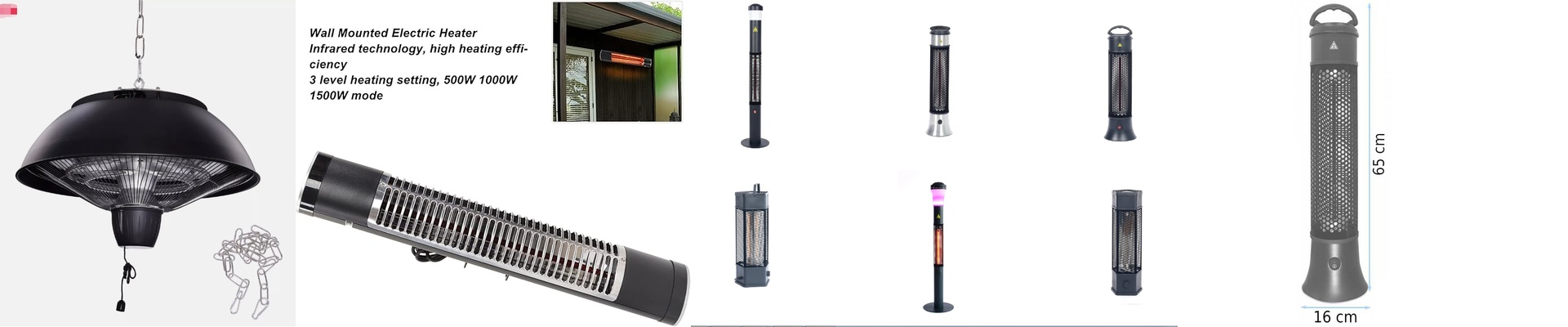
Infrared tube heaters pack a serious punch in a small space. We match the power and voltage to your space—your distance, your target heat—not to hit some flashy marketing number. Sometimes, a higher voltage option is the smart move. It lets you run longer lines with thinner wire, which cuts down on line loss and voltage drop. We also match tube length to wattage so the filament stays in its happy zone. Push the wattage too high for the tube, and you’ll burn out the filament faster and cook the end caps. No good.
The Details That Actually Matter
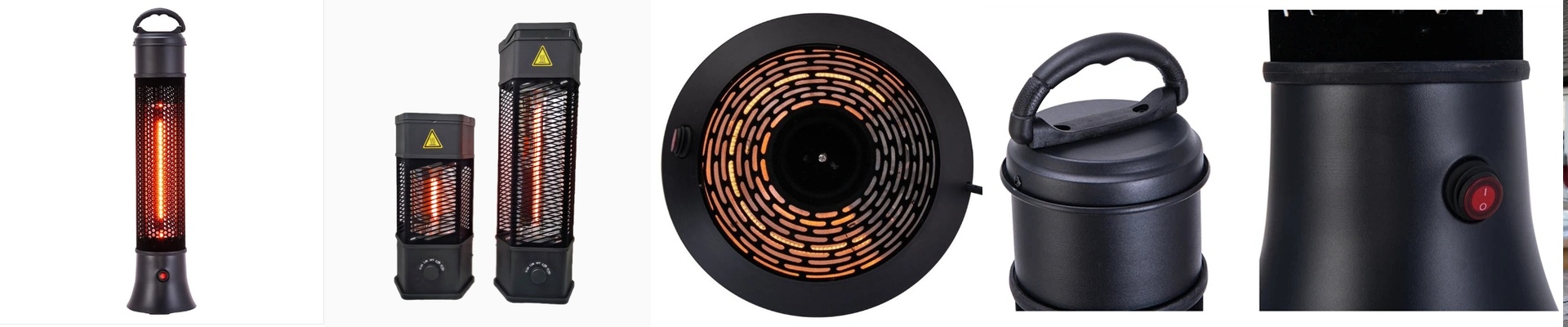
The connector choice matters. We typically use R7s or SK15 styles—double-ended ceramic terminals that give you solid contact and a stable mount. But here’s the real hero: the lead wire seal. We use an industrial-grade, high-temperature vulcanized seal that locks the conductors in place and keeps contaminants out. Inside, a strain relief keeps the cable from fatiguing right where it exits the housing. That’s the difference between a heater that survives year after year of seasonal temperature swings, and one that gives up at the terminal.
Install It Once, Forget About It
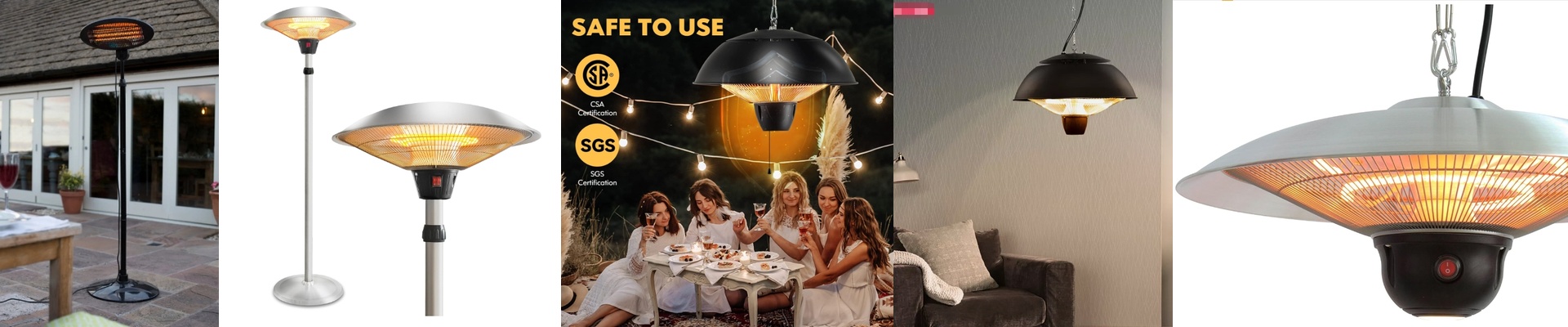
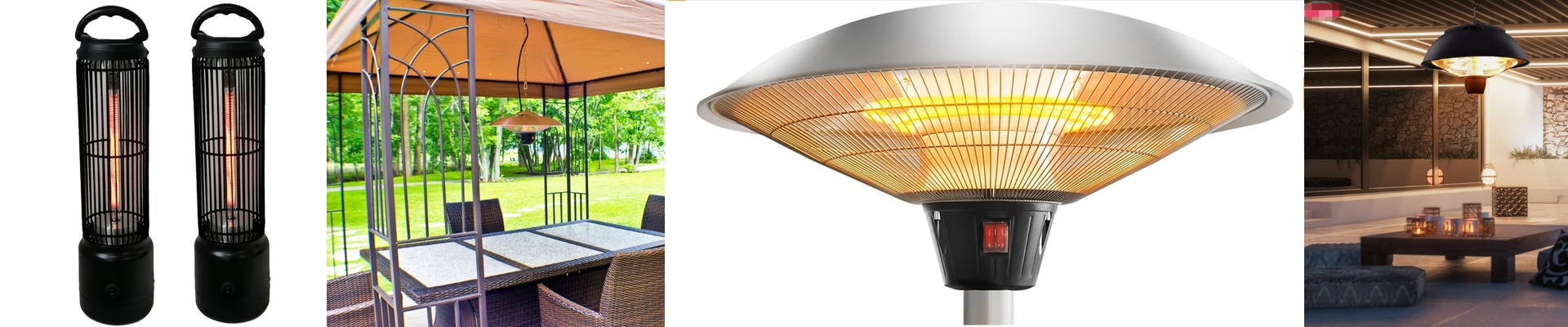
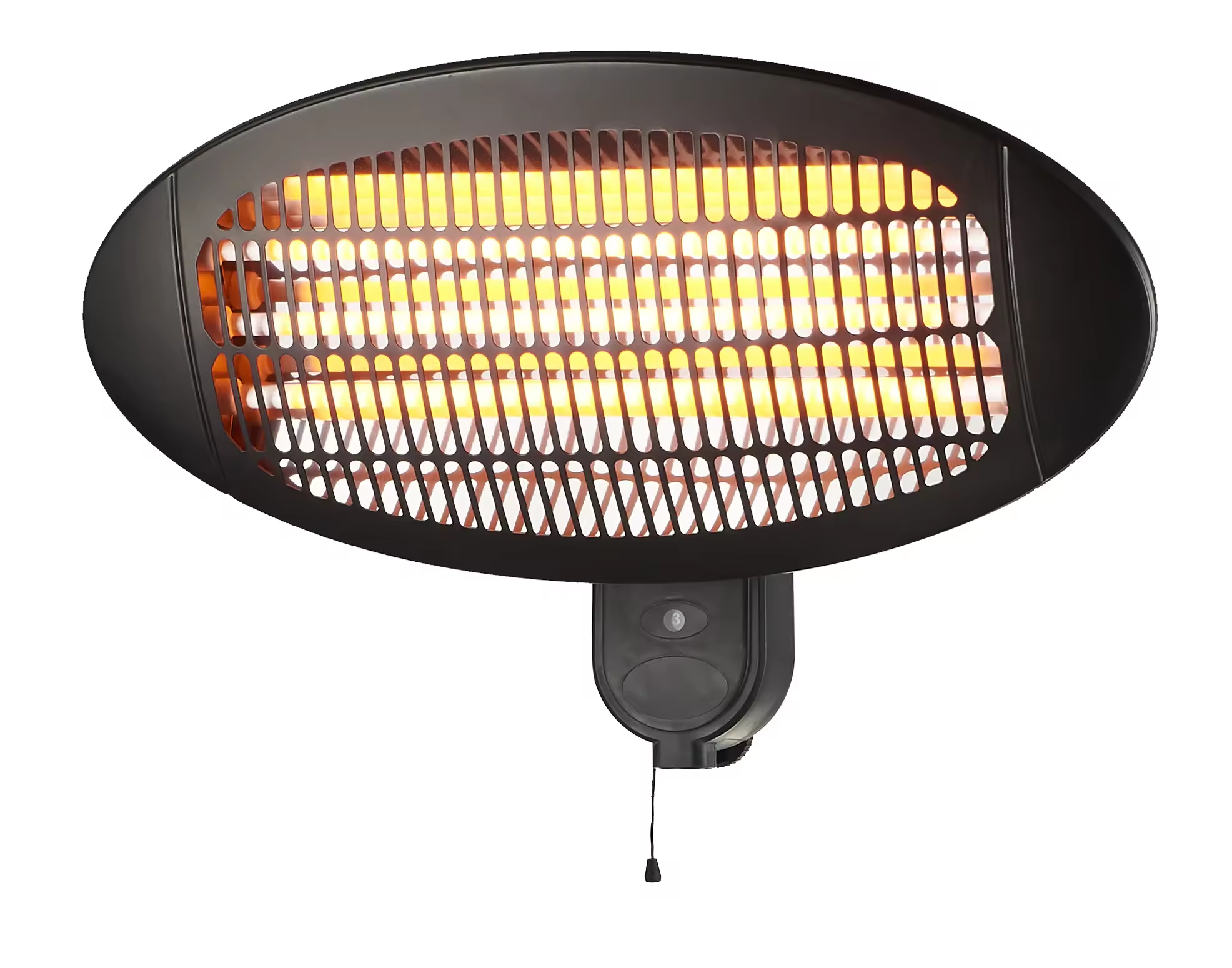
In a high-ceiling factory, you need a heater that’s easy to wire, easy to align, and then just… works. Our infrared radiators throw heat where you need it—directional warmth that warms the equipment, the product, and the work zone, without paying to heat all that upper air. And because the leads are sealed, you’ll see fewer maintenance calls. Just keep one thing in mind: high heat density means your control panel and nearby components will feel the ambient rise. Plan your airflow and give those parts some thermal separation. Do that, and the whole system runs without drama.