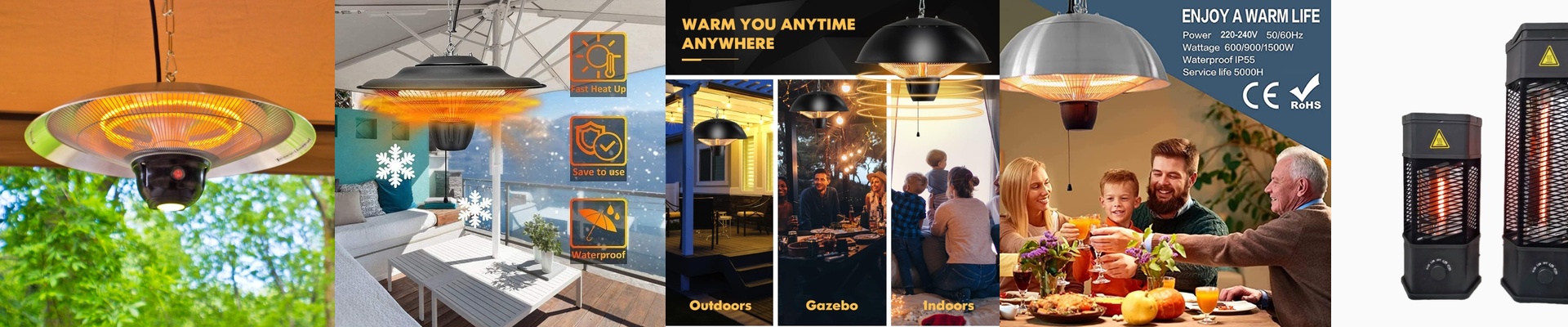
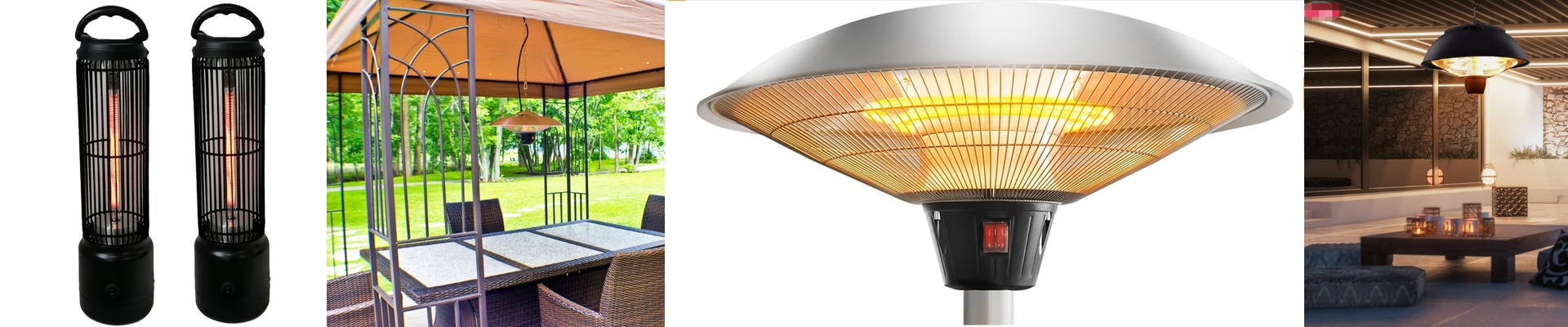
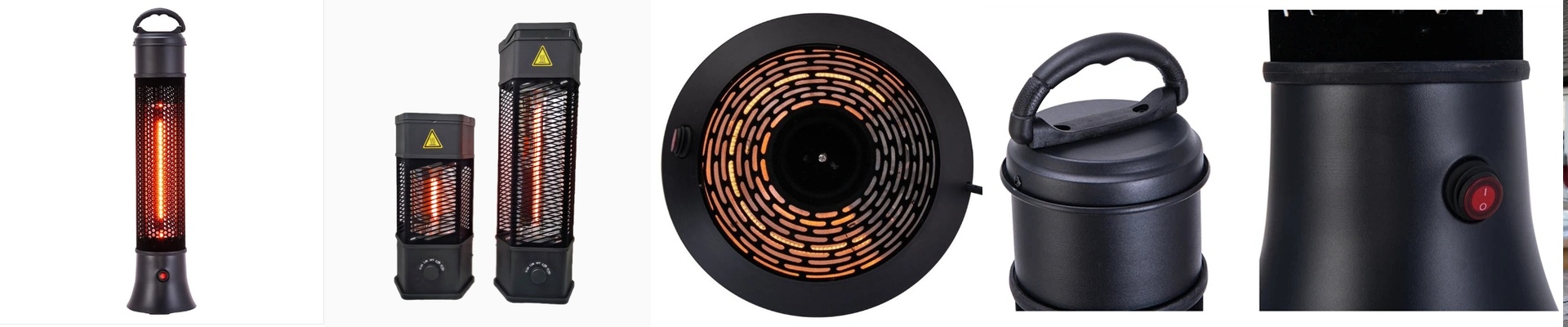
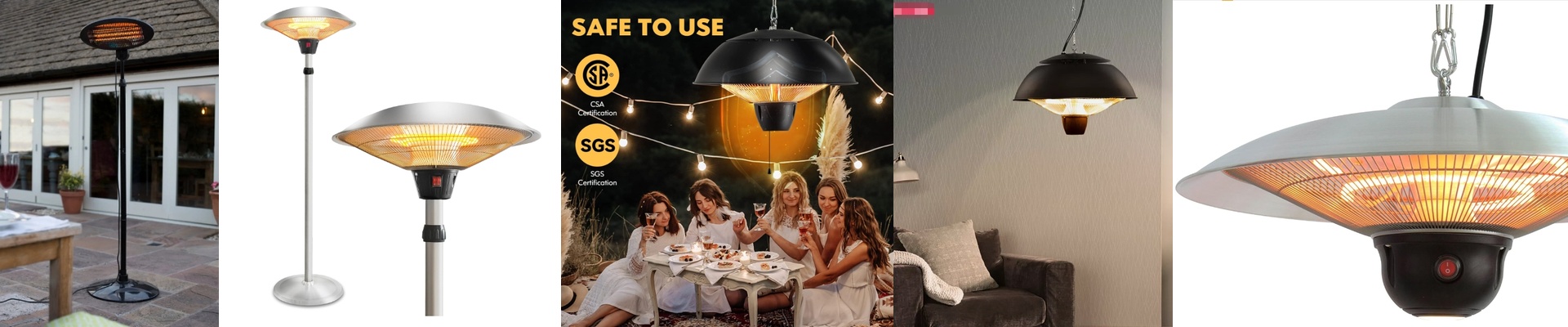
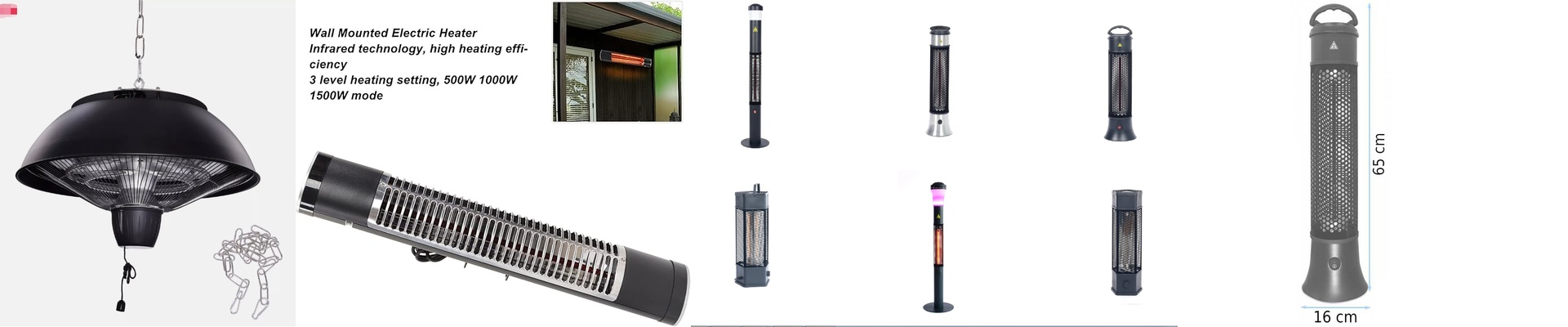
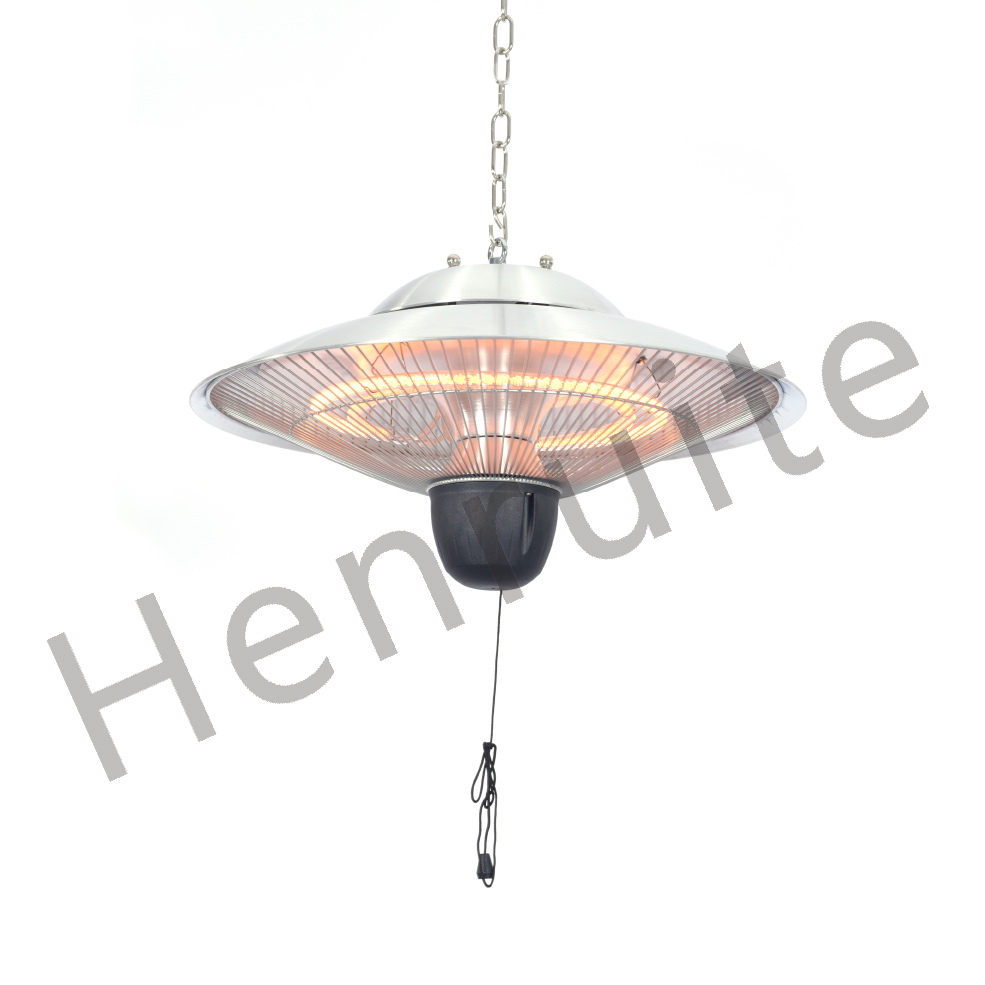
When the power dips and the house goes quiet, the last thing you need is a heater that clicks, whirs, or kicks on with a jolt. You just want warmth that shows up and stays steady. That’s the thinking behind our bedroom infrared heater: radiant heat that feels natural, with noise you barely hear.
What’s actually under the hood
We run a carbon fiber element inside a quartz tube to deliver short-wave infrared warmth. It heats people and surfaces directly, instead of pushing air around. That’s how you get a more even feel across the room and fewer cold pockets. The unit draws 1500W and plugs into a standard 120V outlet—no rewiring. A built-in thermostat keeps output consistent, and tip-over protection shuts it down if it gets knocked over.
Why this approach fits a bedroom
In a bedroom, quiet isn’t a perk—it’s part of sleep. Because infrared warmth doesn’t rely on a loud fan, the heater stays in the background. You get comfort fast, without the drafts and temperature swings that can wreck a night. The heat is gentle on the skin, and it helps muscles relax as the room settles into a calm, stable temperature.
What to keep in mind
Radiant heat works best when the heater has a clear line of sight, so placement matters. Keep the unit at least 3 feet from bedding and curtains, and don’t cover the front grille. The heater runs quietly, but the outer surface does get warm during operation. Plan the location with pets and small kids in mind.
Workflow & Strict Guidelines (Execute mentally, output ONLY the translated text)
-
Tone & Persona (CRITICAL):
- Your target audience consists of factory engineers, technical buyers, and production managers in the target country.
- The tone must remain strictly objective, rigorous, factual, and direct.
- ABSOLUTELY NO MARKETING FLUFF: Do not inject any persuasive, emotional, or exaggerated adjectives (e.g., perfect, ultimate, revolutionary, best) into the translation. Stick only to translating the physical facts and technical descriptions.
-
Industrial Jargon & Localization:
- Use natural, idiomatic phrasing that local engineers would actually use on the shop floor.
- Ensure a fluid translation that conveys the exact meaning. Do NOT use rigid, word-for-word machine translation.
-
Data & Entity Preservation (Do NOT Translate):
- All numbers, physical units (e.g., W, V, mm, ℃, Hours), and specific model codes/SKUs (e.g., R7s, SK15, IR, PET) must be kept exactly as they are in the source text.
- Do NOT convert measurement units (e.g., do not change mm to inches).
- Keep brand names or designated English proper nouns in English.
-
Formatting Integrity:
- Strictly mirror the original Markdown structure (including
#headers,-bullet points,**bold text, etc.). - Ensure you apply the correct punctuation and spacing rules specific to Polish (e.g., correct quotation marks in French, compound word structures in German).
- Strictly mirror the original Markdown structure (including
Output format
Output the final translated text in Polish directly. Do NOT include any introductory, explanatory, or conversational text. Do NOT wrap the output in Markdown code blocks (like ```).