Stop the Chipping: Why We Preheat Glass with IR
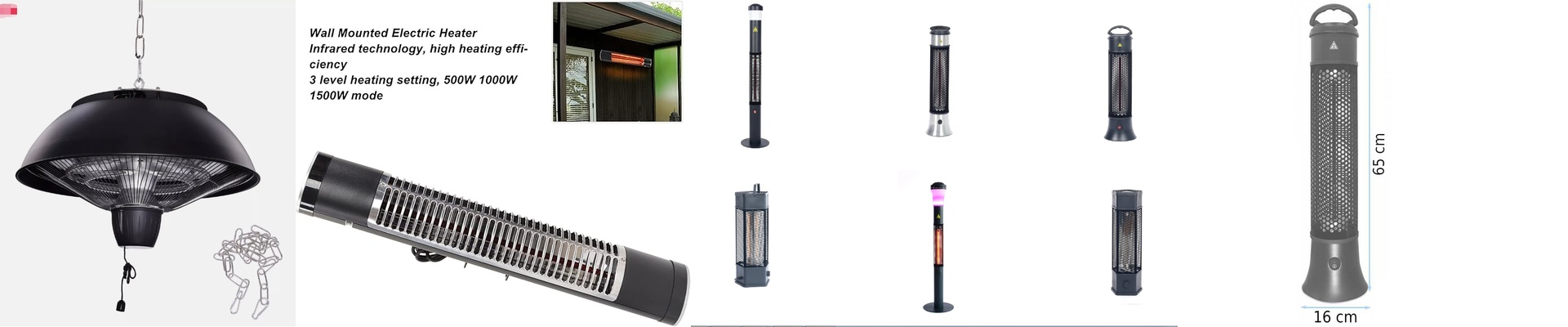
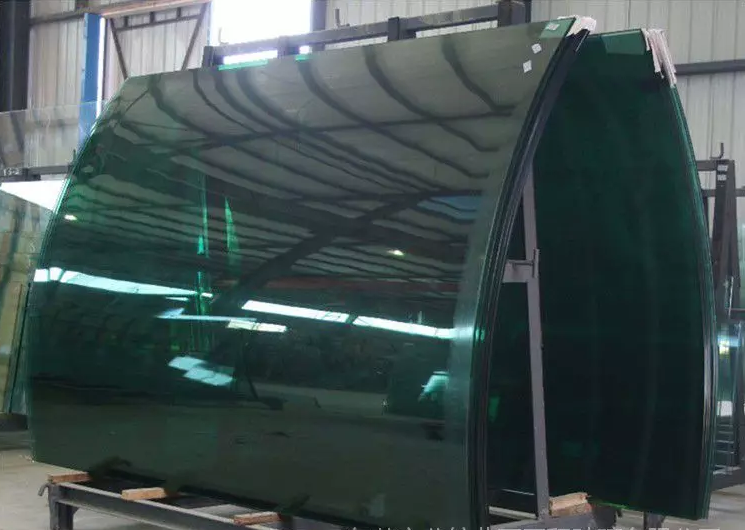
Ever tried cutting cold glass and ended up with those annoying little chips or a corner that just snaps off? It’s a headache. It happens because the glass is too tense—too “stiff,” if you will—when the cutting head hits it. To fix this, we use infrared (IR) preheating. We basically warm up the surface just enough to relax the material. It makes the break clean. No jagged edges, no wasted sheets. The Secret is in the Gold Now, standard IR lamps are a bit wasteful. They throw heat everywhere, and in a typical furnace, about half of that energy just disappears into the machine frame. That’s a waste of power. To stop that, we put gold-coated reflector plates behind the lamps. Why gold? Because it’s incredible at bouncing medium and long-wave IR back onto the glass. Aluminum is okay, but gold is better. You get way more heat exactly where you need it without having to crank up the power. Finding the Sweet Spot Here’s the thing: you aren’t trying to melt the glass. You just want the surface and the core to be on the same page temperature-wise. If you blast it too fast or hit it unevenly, you’ll actually create new stresses, and that’s when the whole sheet cracks. We spend a lot of time tweaking the lamp spacing and power so the heat soaks in evenly across the whole path. The Trade-offs (Because Nothing is Free) Those gold plates are powerful. Like, really powerful. Because they push so much heat forward, your cooling fans and housing have to be up to the task. If they aren’t, you’re going to fry your wiring and sensors. And one last tip: keep those plates clean. A little bit of dust or a smudge of oil on the gold ruins the reflection. When that happens, the lamps have to work harder to do the same job, which kills them faster. Give them a quick wipe-down, and your cuts will stay consistent.