Stop the Chipping: Why We Preheat Glass
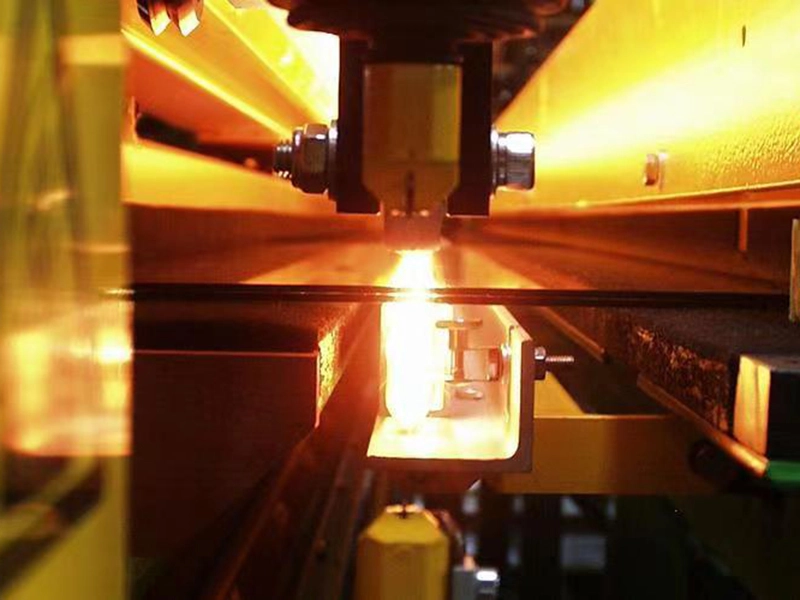
If you’ve spent any time cutting glass at high speeds, you know the frustration of “chip-out.” You’re moving fast, everything seems fine, and then—snap—you’ve got a jagged corner or a ruined edge. It happens because glass is just too stubborn and brittle at room temperature. The trick to fixing this is infrared (IR) preheating. Basically, we warm up the surface of the glass right before the cutting head makes contact. It eases that molecular tension. Instead of the glass fighting back and shattering, it lets go. You get a clean break, and more importantly, you stop throwing money in the scrap bin.
How the heat actually works
We use short-wave infrared lamps because they don’t mess around. They don’t just warm the air around the glass; they dive straight into the surface. When you hit that specific temperature sweet spot, the internal stress drops. This means the crack travels in a straight line. No branching, no jagged edges, just a smooth cut. But here’s the thing: you can’t just throw a lamp on a machine and call it a day. You need gold-coated or polished aluminum reflectors. Without them, the heat just soaks into your machine frame. You’d be wasting half your power and probably melting your equipment housing in the process. The mirrors push all that energy forward, right where it belongs.
Getting the hardware right
Your setup depends entirely on how fast your line is moving. If you’re running a high-speed line, you need more wattage to get the glass hot enough in the few seconds it’s under the lamp. We usually stick with quartz halogen tubes. They’re tough. They can take the heat without burning out after a week. Just a heads-up: use high-temperature leads for the wiring. And check your cooling fans. If the fans can’t handle the heat bouncing off those reflectors, your lamp ends will fry prematurely.
The balancing act
You might think “more heat equals better cuts,” but that’s a trap. If you go too far, you’ll actually create new thermal stresses. That’s when glass starts cracking spontaneously, which is a nightmare. It’s all about the balance between your lamp power and your conveyor speed. You have to be precise. It’s the only way to kill the chipping without ruining the rest of the sheet.