Dealing with those annoying “dead zones” in glassware annealing
If you’ve ever worked with oddly shaped glassware, you know the struggle. You put everything in the kiln, you wait, and you hope for the best. But with narrow necks or deep, chunky bases, the heat just doesn’t get everywhere. You end up with these “dead zones”—spots that never actually hit the soak temperature. And we all know what happens then. Internal stress builds up, and the piece cracks. It’s frustrating, and it’s a waste of time. That’s why we stopped relying on just blowing hot air around and started using shortwave infrared (IR) lamps.
How the heating actually works
Here’s the thing: convection is slow. It relies on the air. But IR radiation is different. It travels in straight lines and goes right into the glass. By setting up these lamps in a multi-angle array, we can basically “aim” the heat at the curves and corners of the vessel. We use shortwave radiation because it doesn’t care about the air temperature; it just dumps energy directly into the glass molecules. It’s direct. It’s efficient.
The gear we use
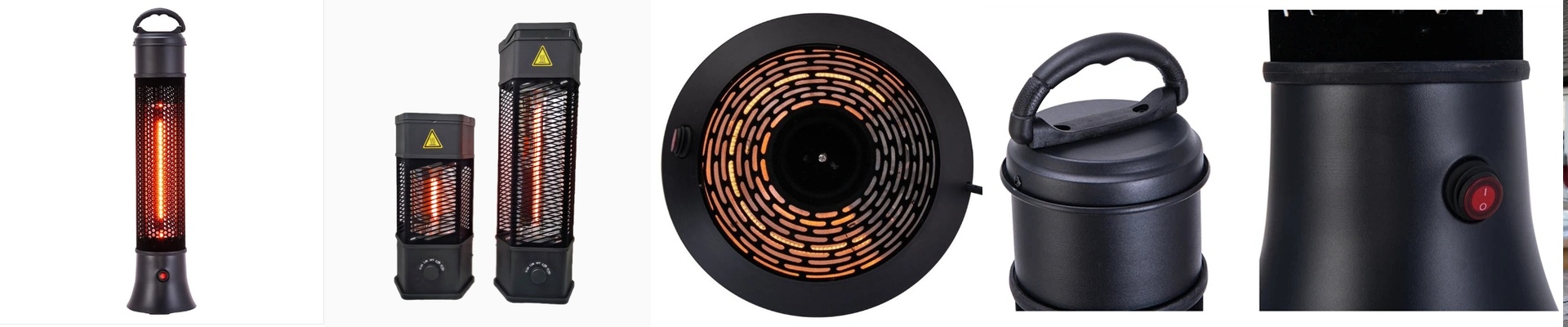
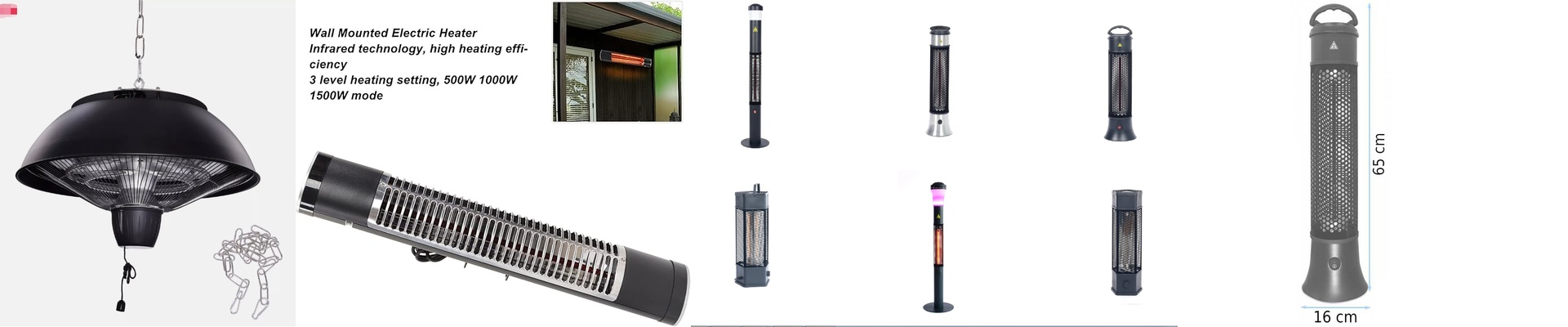
We usually go with quartz-halogen tubes. Why? Because they can handle the heat without warping or twisting. Depending on how your power is set up, we’ll wire them at 230V or 400V so you don’t blow a fuse when you turn on a massive bank of lamps. You’ve got choices here, too. Clear quartz lets the heat penetrate deep, while coated tubes shift the spectrum if you need something specific. And we use R7s or Sk15 connectors. I insist on these because they’re fast. If a lamp pops while you’re in the middle of a run, you can just swap it out in seconds. No need to tear the whole heater bank apart.
The stuff they don’t tell you
Now, there’s a catch. When you’re running a 2500W tube at full blast, it generates a ridiculous amount of heat. Not just for the glass, but for the machine itself. The lamp holders and the wiring take a real beating. If you skimp on the cooling fans or the heat shielding, you’re asking for trouble. Without good airflow around the ends of the lamps, the filaments will burn out way too fast. Trust me: get your ventilation right from day one. Otherwise, you’ll spend your weekends replacing tubes every few months.