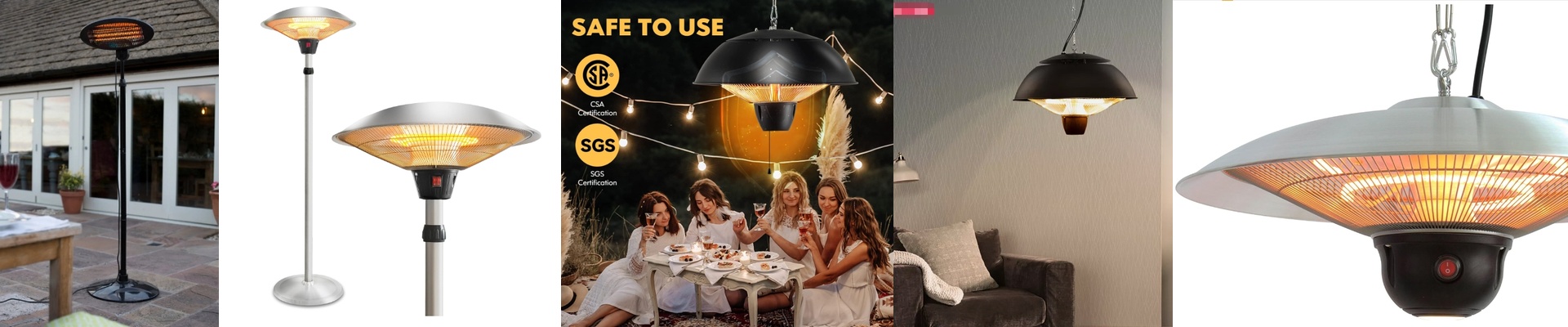
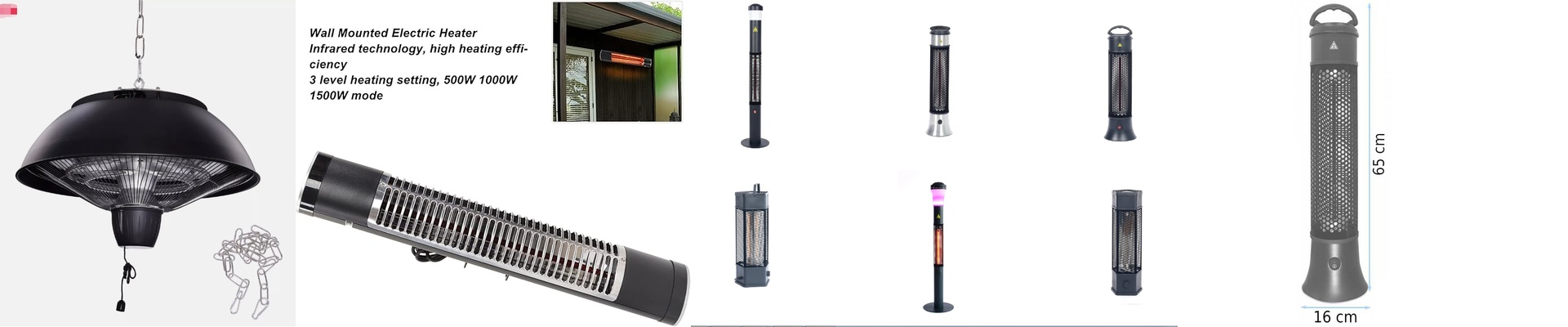
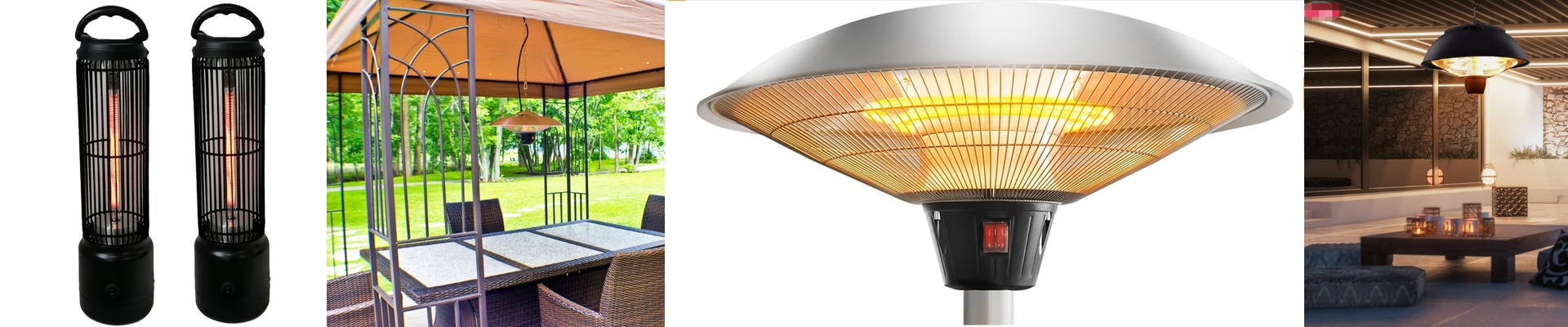

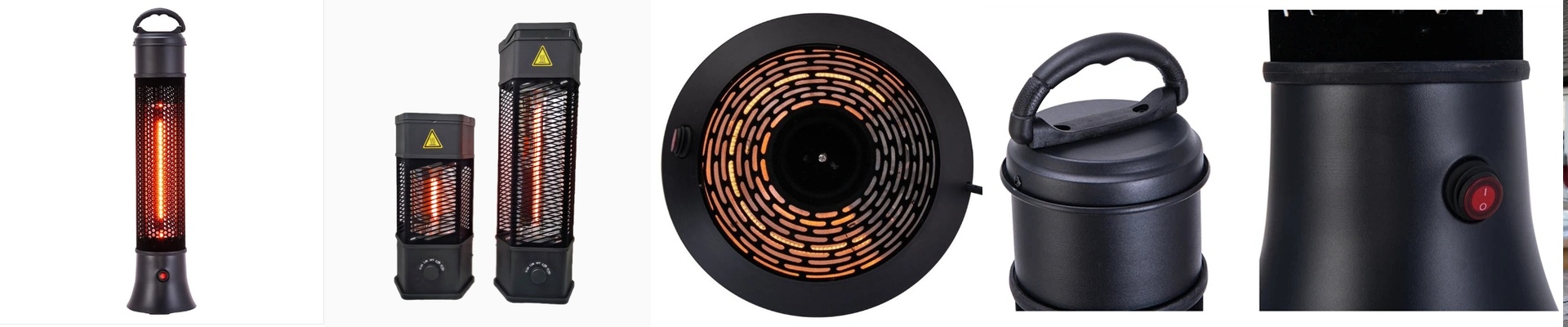

When evening drops its chill across the deck, you don’t need a forecast to know the night’s about to cut short. You reach for the patio heater, and if the warmth doesn’t show up fast and even, the group ends up huddled under blankets instead of lingering over one more round. The fix isn’t guesswork. It’s matching infrared output to how the space is oriented and insulated. What actually matters under the hood Hanging patio heaters deliver radiant warmth, not a blast of moving air. Infrared heats people and surfaces directly, so comfort builds quickly—even when a breeze keeps slipping in. Our hanging models run on a carbon fiber element, which gives you efficient, long-life output with a clean glow and no harsh glare. Match the power to the space. For most covered patios, 1500W is a solid baseline. If you’re dealing with an open deck that takes the wind head-on, step up to 2000W. Output is measured by the heat delivered to occupants, not by how much the outdoor air warms up. A built-in thermostat keeps the comfort steady, and tip-over protection adds real peace of mind, especially when the unit is mounted overhead. Why this approach works in outdoor spaces Outdoor living areas are tough to heat because glass, wind exposure, and ceiling height all change how heat is gained and lost. A hanging infrared heater puts warmth right where it matters—at table height and seating level—so you feel it the moment you sit down. With the right wattage, you get faster comfort, more consistent evenings, and you avoid the cost of trying to heat the entire outdoor air. And it keeps things quiet, since there’s no fan noise. The details that make the difference Mounting location matters more than people think. Aim the unit to create an even warmth zone, and avoid pointing it straight at one chair. Check local electrical codes, and use an outlet and cord rated for the load—these heaters draw serious current. For best results, pair the heater with wind-blocking elements like screens or plantings. Radiant heat performs best when the space is sheltered from strong wind.