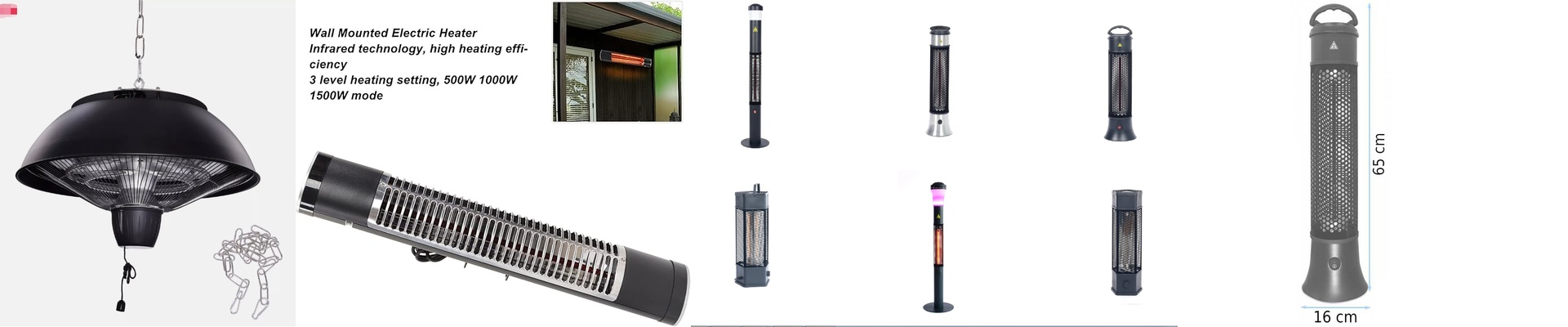
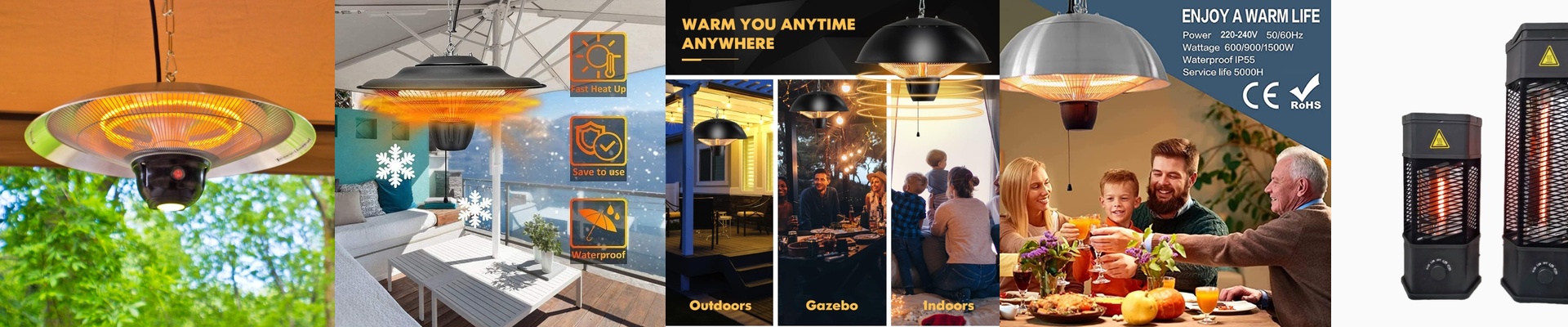
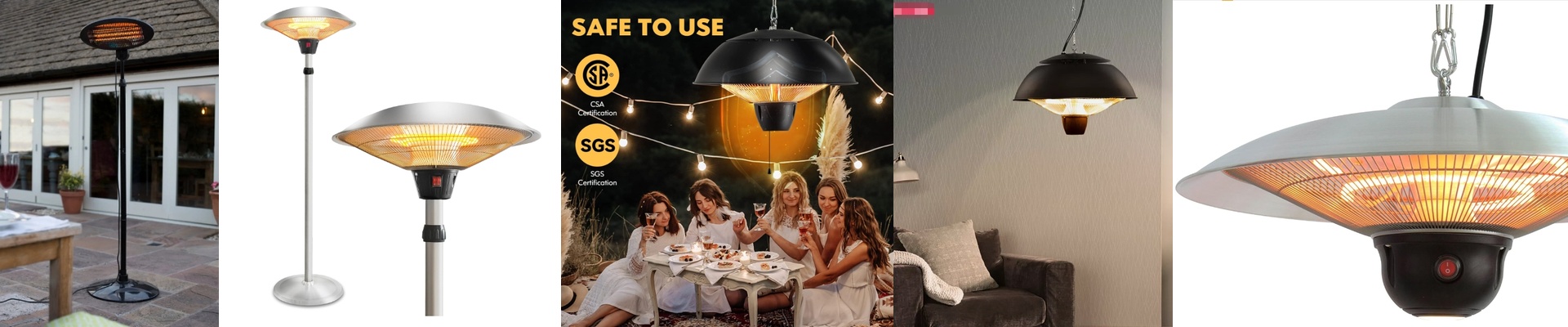
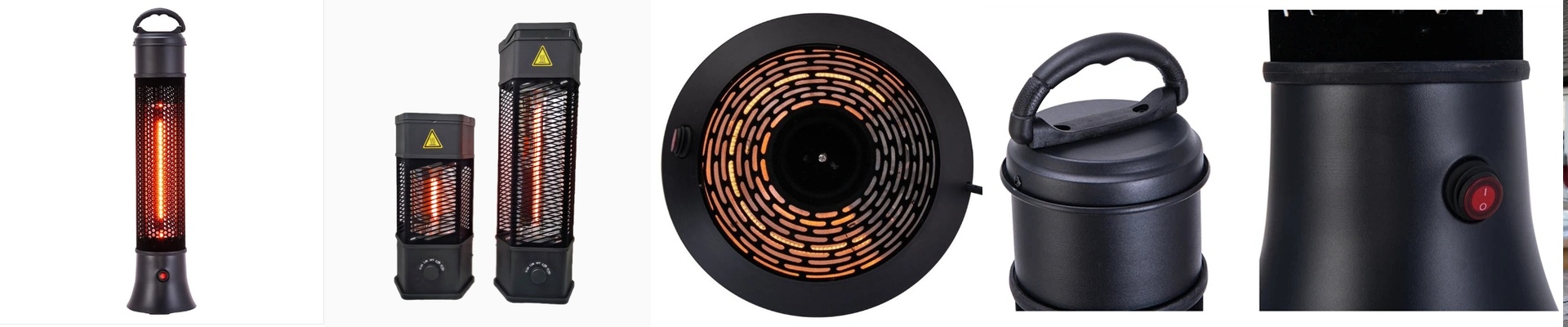
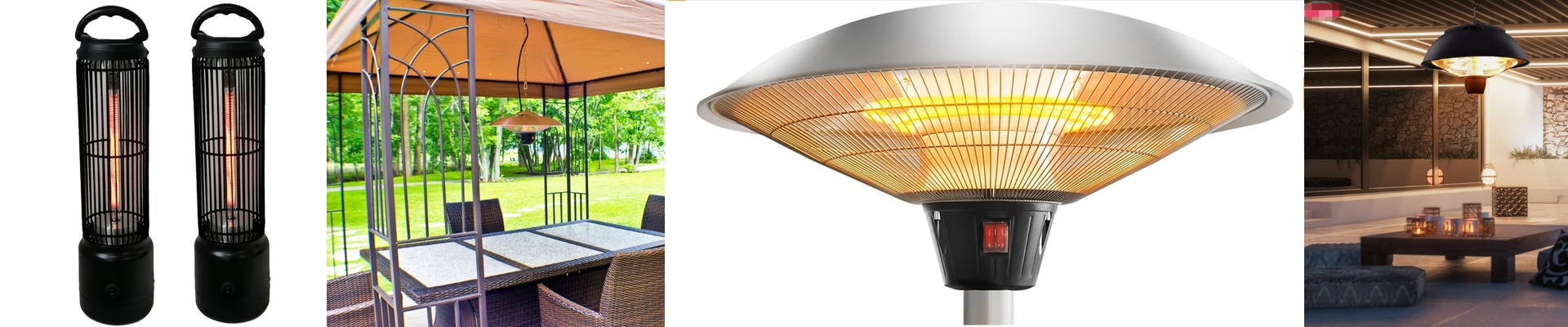

We’ve all been there: you step onto the patio, and the night air hits you hard enough to send everyone back inside. Conventional heaters either blast air that feels forced and fussy, or they sit idle until you remember to flip the switch—wasting energy and comfort in the process. The real question isn’t whether we can warm an outdoor space. It’s how we do it cleanly, intuitively, and without turning the setup into a chore. What’s actually under the hood This smart infrared heater leans on a carbon-fiber emitter with a short-wave output, so it throws immediate radiant heat—more like standing in sunlight than waiting for warm air to show up. It runs on standard 120V (or 220V, depending on the model) and sits in a weather-resistant housing rated IP55, so rain and dust don’t rattle it. A built-in thermostat and a motion-aware sensor adjust output on the fly, and tip-over protection cuts the element if the unit gets knocked over. The payoff: heat lands where you need it, when you need it, without overshooting. Why it makes sense for outdoor living Outdoor time is supposed to be easy, and this heater moves with that rhythm. It warms people and surfaces directly, not the empty air, so you feel the comfort within seconds. The environment-adaptive control holds the heat steady as evening cools off, then backs it down when the sun returns—keeping energy use in line. On patios, decks, and covered porches, that translates to fewer interruptions, more time outside, and a steady, comfortable backdrop for conversation. The practical details you’ll want to get right Infrared warmth is directional, so placement matters. Mount the heater 6–8 feet above the seating area and angle it to cover the main gathering spot for even coverage. It needs a dedicated circuit to keep performance stable. The housing is sealed against the elements, but it does best in sheltered outdoor spots—think covered areas—rather than fully exposed, wind-driven locations.