Getting Glass Stress Relief to Work in a Mobile Rig
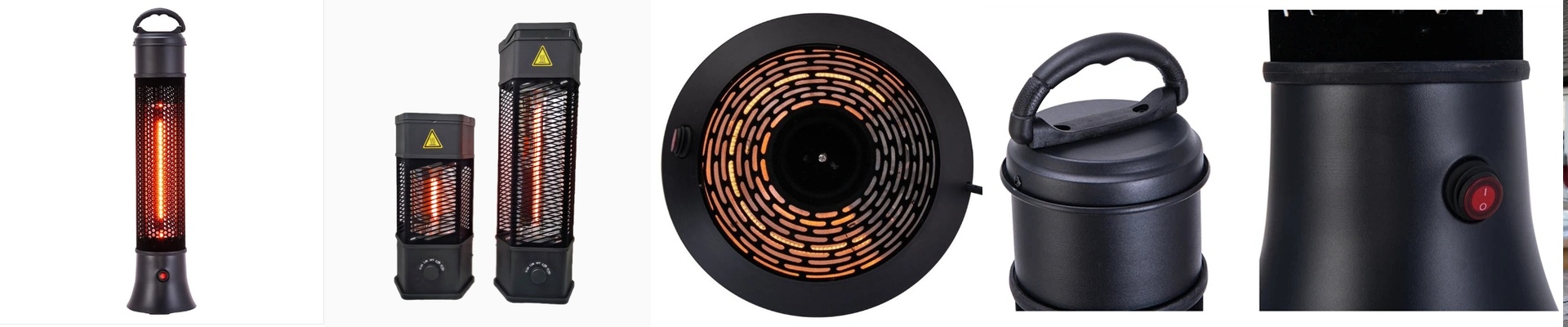
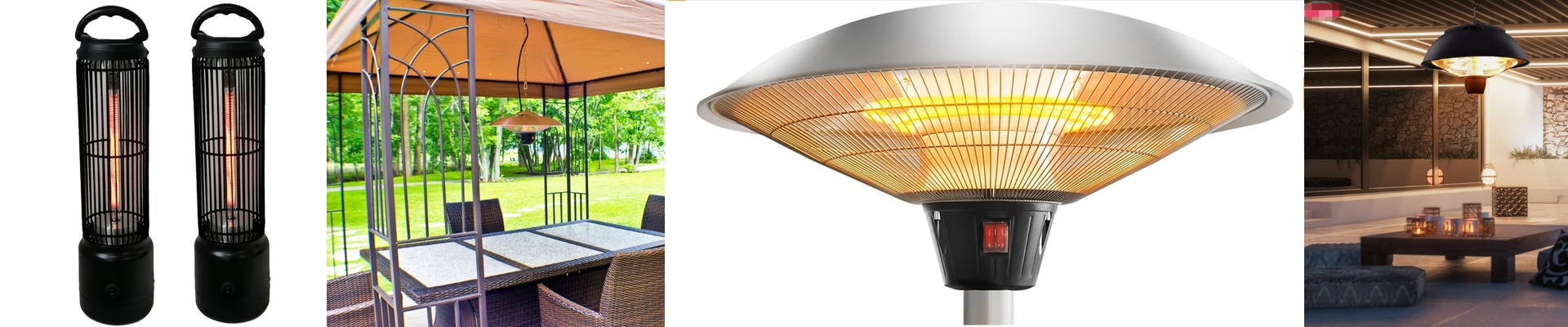
When you’re working with mobile glass repair, you’re fighting for every inch of space. You’ve got a tiny footprint and limited power, but you still need to get rid of that internal glass stress on the fly. Obviously, you can’t just lug a massive tunnel furnace around in your van. That’s where concentrated shortwave infrared (SWIR) comes in. It hits the target fast, which is exactly what you want if you don’t want to bake your entire chassis. The power struggle Here’s the thing: to get professional heat in a small bracket, it’s all about how much wattage you can cram into a short length. We use high-density quartz lamps to keep the heating zone small. I usually spec these to run at the absolute max voltage your power supply can handle. Why? Because it keeps the current draw down. That means you can use thinner wiring and you won’t have the rig’s frame soaking up heat like a sponge. Why we use shortwave IR We stick with shortwave emitters because they actually penetrate the glass. Medium or longwave stuff just sits on the surface, but shortwave goes deep. The quartz tubes we use are tough. They can handle the thermal shock of a field environment, but here is a pro tip:**don’t touch the quartz with your bare hands.**The oils from your skin create these tiny hot spots, and that’s the fastest way to burn out a lamp. The catch: Heat vs. Cooling Now, there’s a trade-off. When you push that much power into a miniature space, the bracket is going to get hot. Really hot. You get those fast ramp-up times you need, but you can’t ignore the ambient heat. If you don’t have decent cooling fans or heat sinks, you’re asking for trouble. Without some actual airflow around the lamp ends, you’ll end up melting your connectors or frying the wire insulation. Just use some high-temp leads, keep the layout tight, and you’ve basically got a portable system that punches way above its weight.