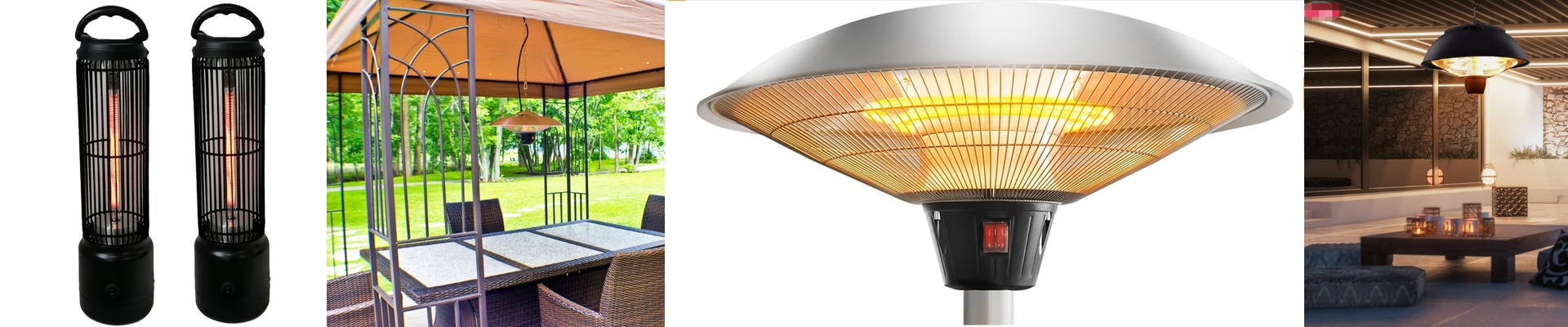
Why we torture-test our IP55 infrared heaters
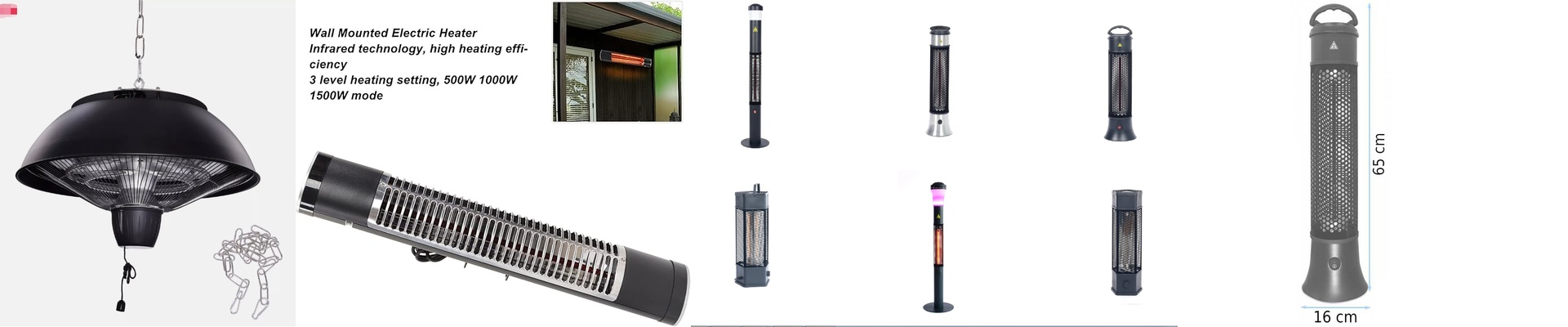
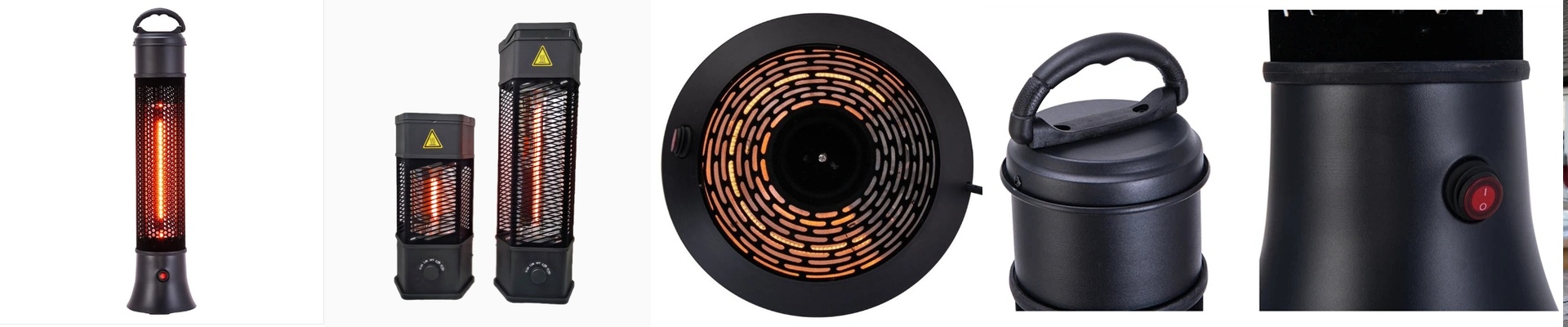
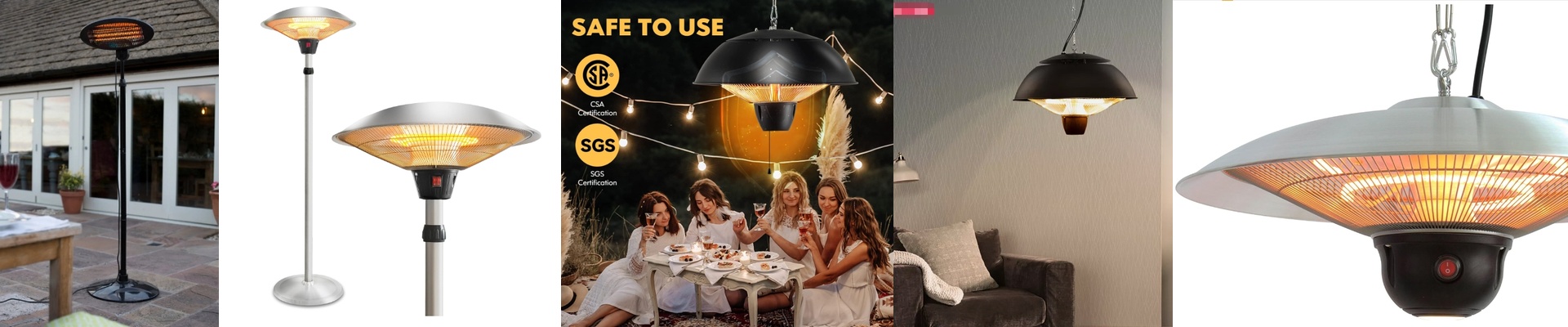
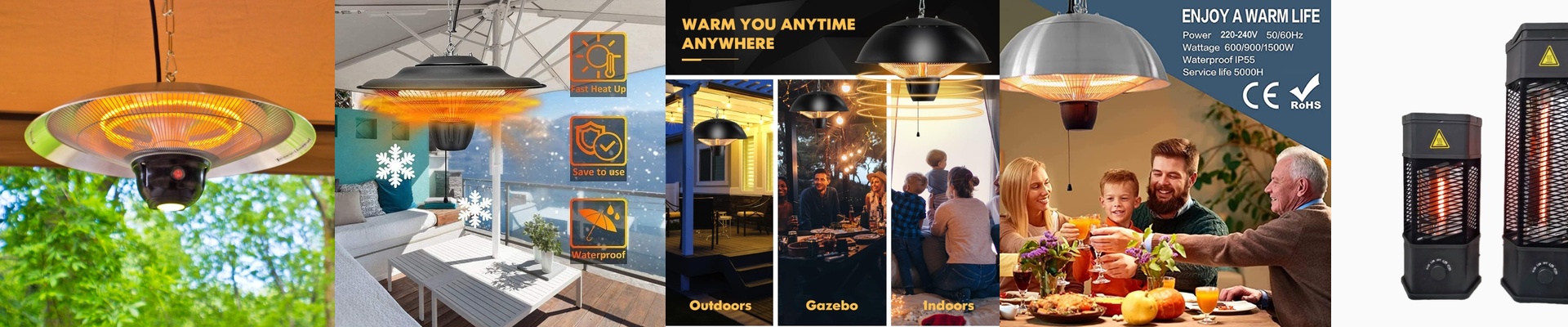
We make infrared heaters for bathrooms and patios—places where it’s always damp. Now, you’ll see “IP55” on the spec sheet. In plain English, that means the unit is built to keep out dust and handle a few splashes of water. But here’s the thing: a lab rating is one thing. Actually surviving in a steamy bathroom for three years? That’s a different story. That’s why we put our heaters through damp-heat aging tests. We basically try to break them on purpose.
The “breathing” problem
Think about a bathroom. One minute it’s cold, then the heater kicks on and everything warms up. When the heater shuts off, it cools back down. This creates a “breathing” effect. The air inside the chassis expands and contracts, which can actually suck humid air right through the seals. If those seals aren’t perfect, moisture settles on the electronics. To catch this, we use aging chambers. We blast the units with heat and humidity for hundreds of hours. It’s the only way to see if a gasket is going to shrink or if the wiring coating is going to peel over time.
Stopping the burnout
Corrosion is what usually kills these things. We keep a close eye on the terminals for oxidation or any weird current leaks on the circuit board. If a seal fails during our test, the heater might work fine for a few months, but then it’ll trip a breaker or short out in a customer’s home. We’d much rather have a unit fail in our lab than in your living room.
The balancing act
It sounds simple: just seal it tight, right? Not exactly. If we seal the unit too aggressively to pass a waterproof test, we trap the heat inside. Then the internal driver starts to cook itself. It’s a bit of a tightrope walk. We have to find that sweet spot where the seals keep the steam out, but there’s still enough airflow to keep the electronics cool. We don’t guess how long these will last. We just keep testing them until they break, then we figure out how to make them tougher.