How to keep your infrared heaters from dying early
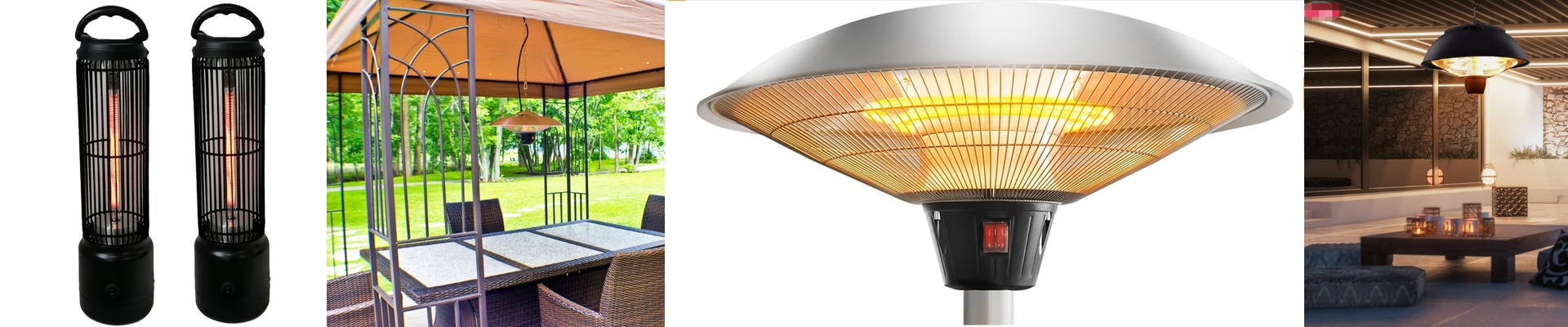
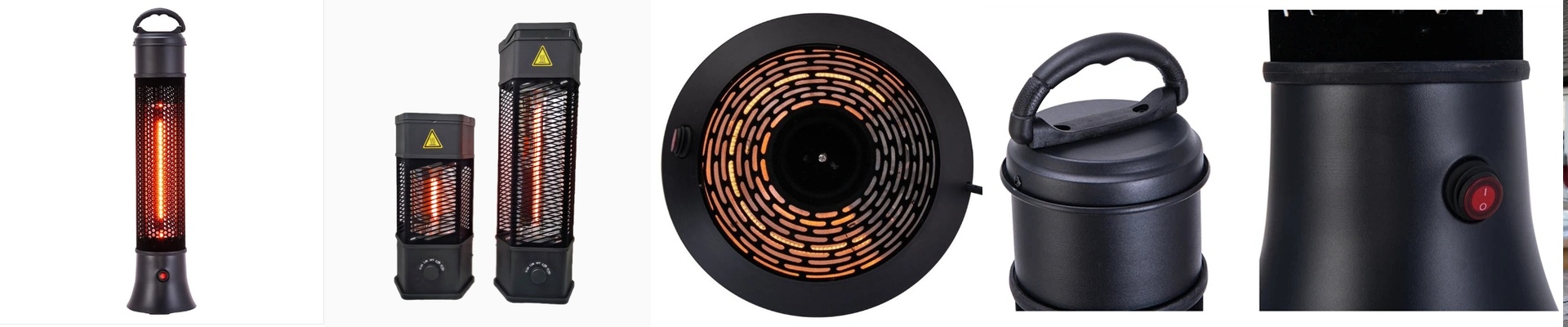
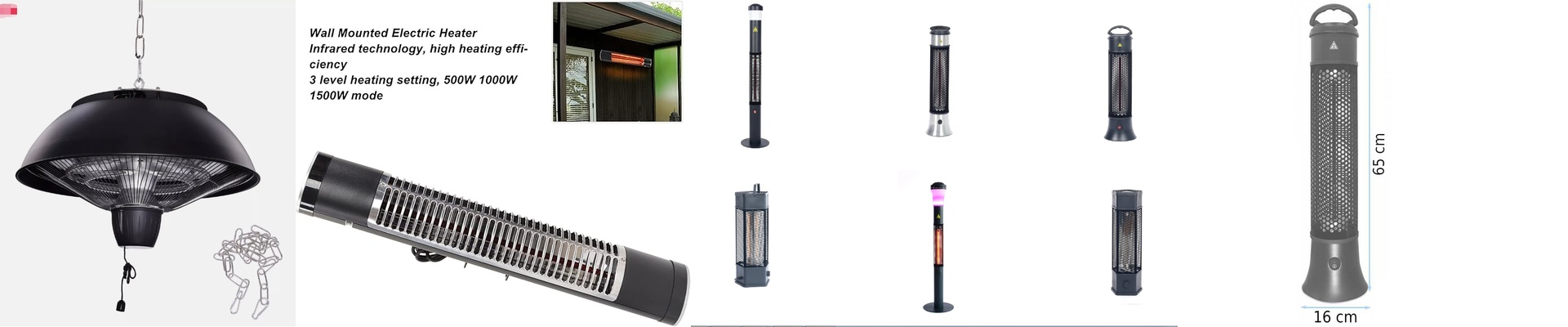
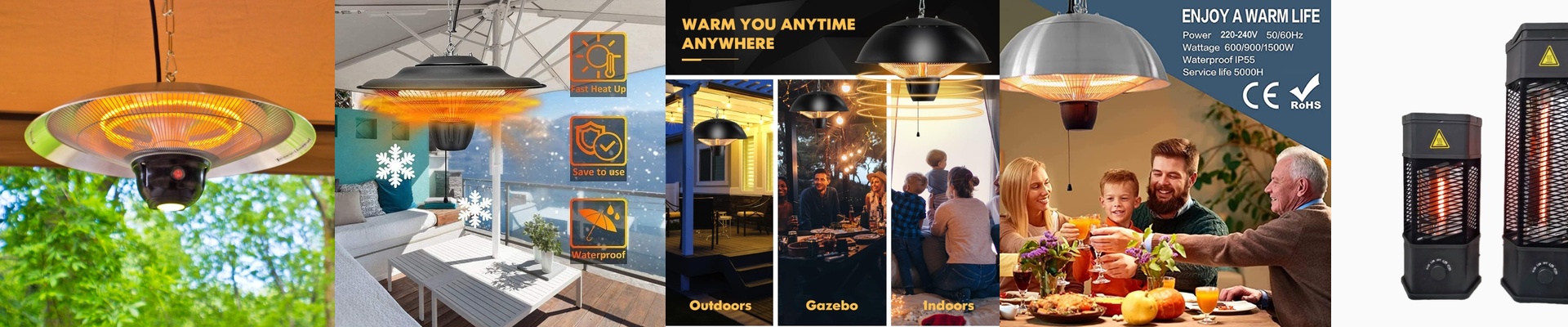
Here is a little secret: most infrared heaters don’t actually “burn out.” The heating element is usually fine. The real killer is the environment. If you’re putting these on a patio or in a semi-outdoor spot, you’re fighting a constant battle with humidity, dew, and the occasional stray splash of water. That’s exactly why we built our heaters the way we did—to stop the weather from eating your investment. The problem with “fog” Think about what happens when a cold drop of water hits a scorching hot quartz tube. It’s a shock to the system. This “thermal shock” creates tiny, invisible cracks in the glass. Eventually, the tube just snaps, or the filament inside rusts out way faster than it should. To fix this, we added anti-fogging coatings and tweaked the shape of the housing. It’s all about managing the airflow and keeping the dew point away from the emitter. Basically, we stop the fog from forming so the glass doesn’t take a beating every time the temperature swings. Keeping the water out Water usually goes for the weakest link first: the electrical terminals. One bad splash on a live connector and you’ve got a short circuit or a mess of corrosion. We don’t claim these units are submarines—you can’t throw them in a pool. But we did add sealed gaskets and splash-proof guards. It means if it rains or you’re spraying down the patio with a hose, the internal wiring stays bone dry. The honest trade-off Now, full disclosure. When you put guards and housings around a heating element, you change the way the heat moves. You might notice the heat isn’t quite as intense as a completely naked tube. But honestly? It’s a trade I’d make every time. I’d rather have a heater that lasts five years instead of one. If you feel like you need a bit more punch, just mount the unit a little lower. Simple as that.