Making Your Outdoor Heat Actually Smart
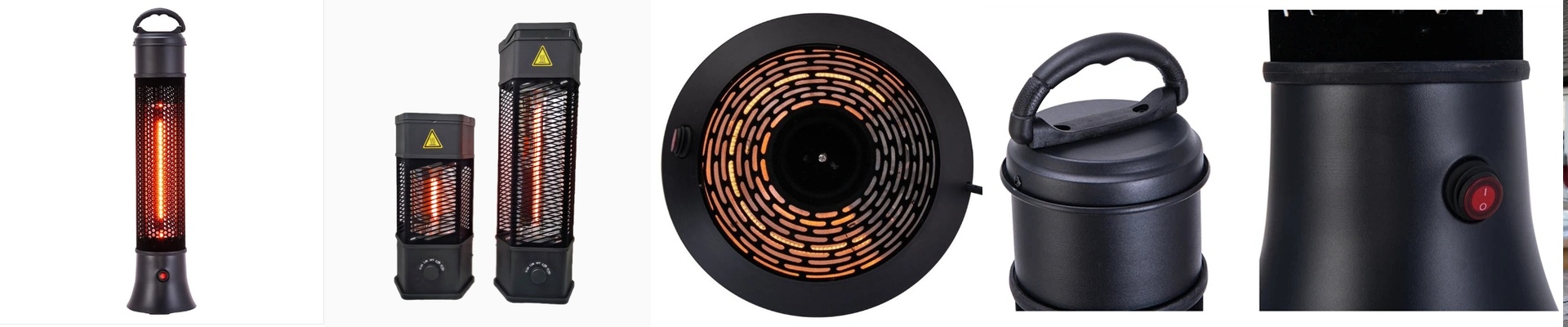
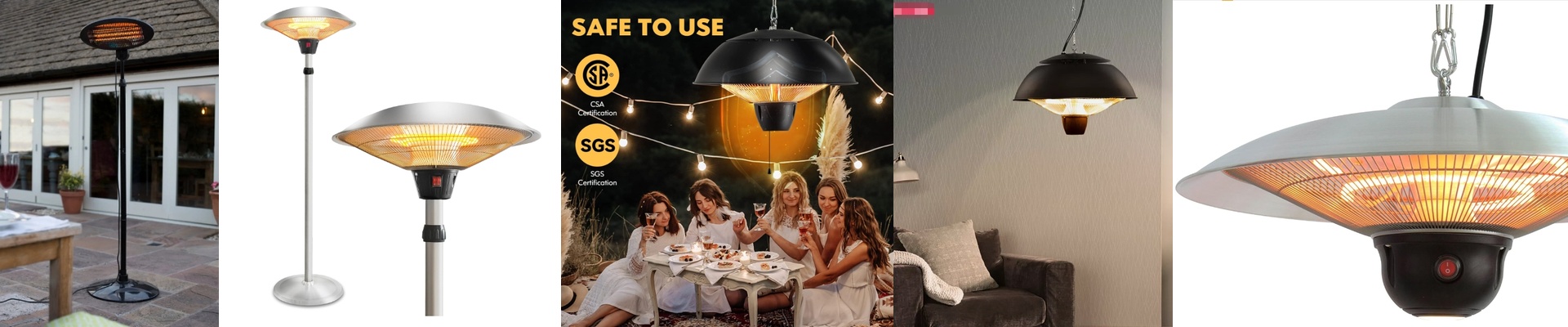
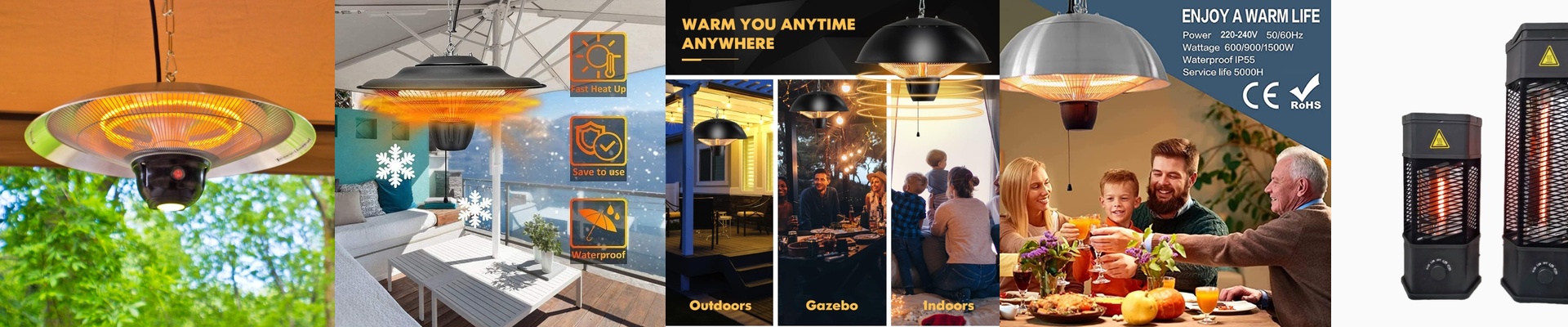
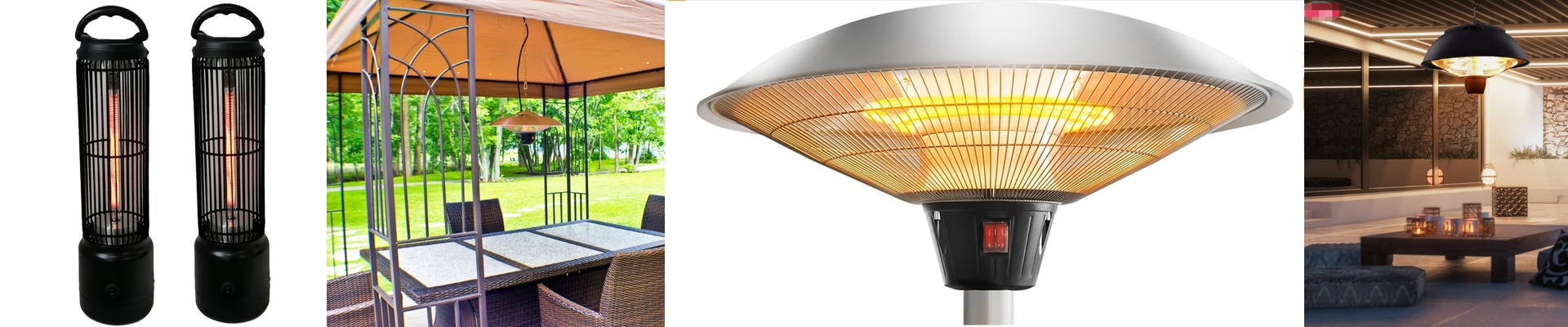
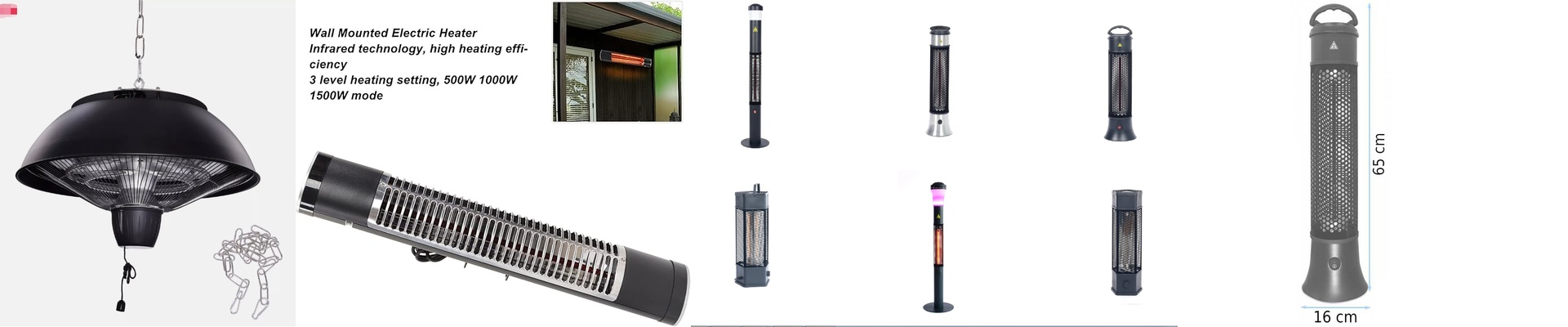
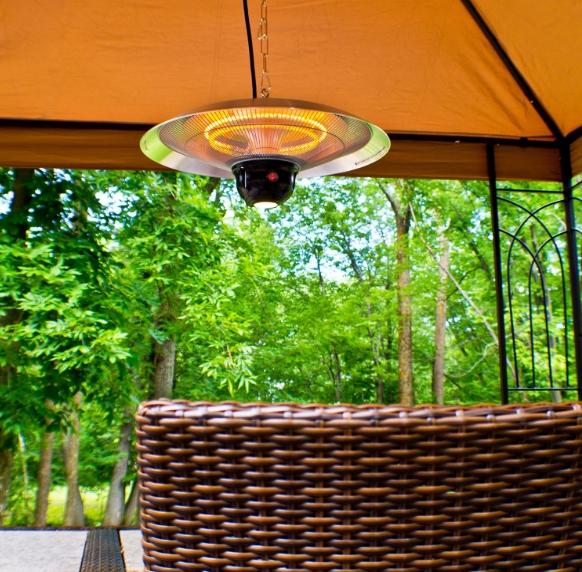
We build electric infrared heaters that aren’t afraid of a little water. Usually, putting a heater in a damp spot is a recipe for a short circuit, but these have an IP65 rating. In plain English? They’re sealed tight against dust and can handle a splash or two without breaking a sweat. They’re perfect for those chilly patios or steamy bathrooms where a normal heater just wouldn’t last.
Heat That Actually Hits
Here’s the thing about infrared: it doesn’t bother warming up the air around you. Instead, it sends out short-wave radiation that hits you (and your furniture) directly. It’s instant. Like,really instant. The second you flip the switch, you feel it. We love pairing these with smart relays—things like Zigbee or Matter—so you don’t even have to get up. You can just trigger a “Winter Mode” on your phone and you’ll be toasted in under two seconds.
The “Gotchas” of Wiring
If you’re planning to hook these up to a smart home system, be careful. These units pull a lot of power. If you try to use a cheap, plastic smart plug from a big-box store, you’ll probably trip a breaker or melt the plug. You need the heavy-duty stuff. Grab a proper contactor or a smart switch that’s actually rated for the amperage you’re pulling. Once that’s sorted, you can add some temperature sensors to keep everything balanced so you don’t bake yourself alive.
A Few Things to Keep in Mind
Infrared heat is intense, but it’s focused. You’ll feel amazing while you’re standing in the beam, but the moment you step out of it? You’re back in the cold. It’s a bit of a trade-off. Also, because the units are sealed tight to keep water out, they don’t “breathe” like open heaters do. This means the guts of the machine get pretty hot. Just make sure whatever you’re mounting the heater to can handle the heat without warping or changing color. And for goodness’ sake, don’t mount your smart controller right next to the heater, or you might fry your electronics. Keep a bit of distance between the brain and the heat.