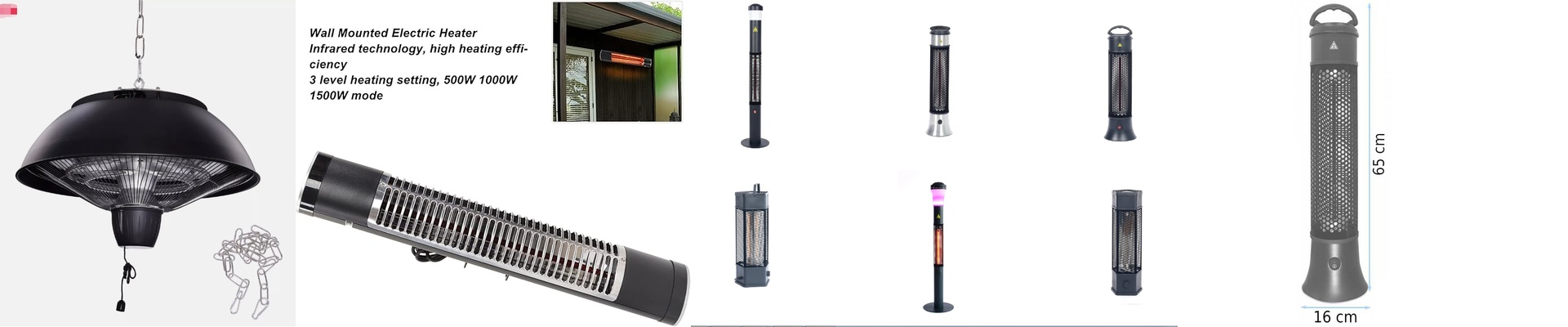

Why we’re swapping out old bathroom heat lamps for infrared
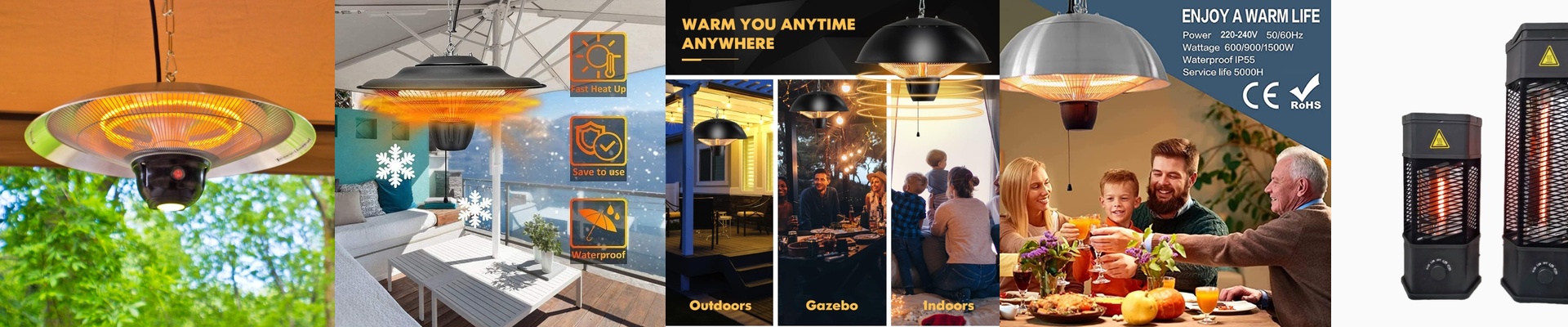
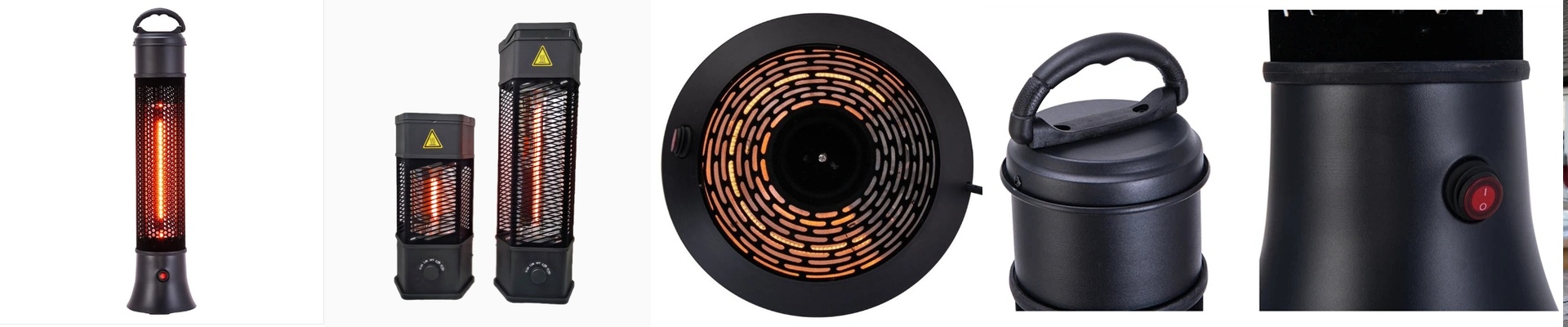
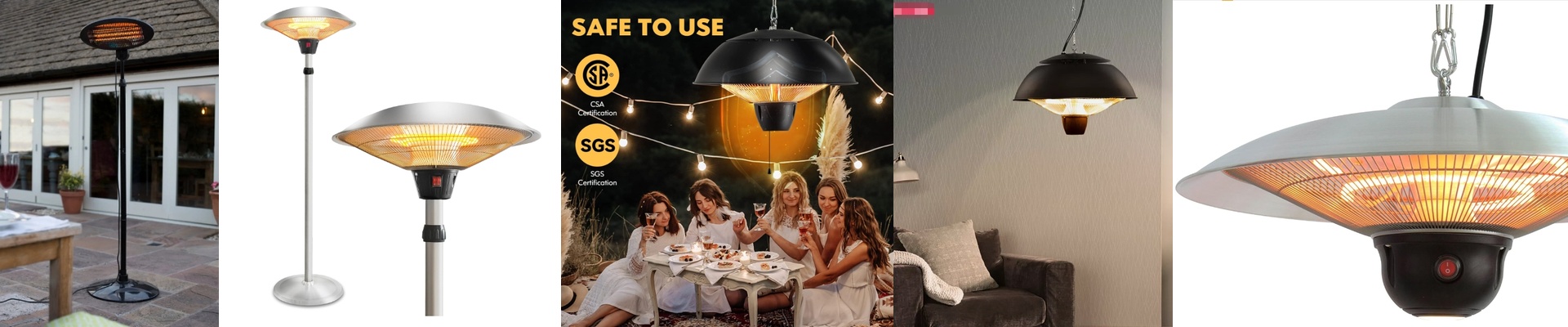
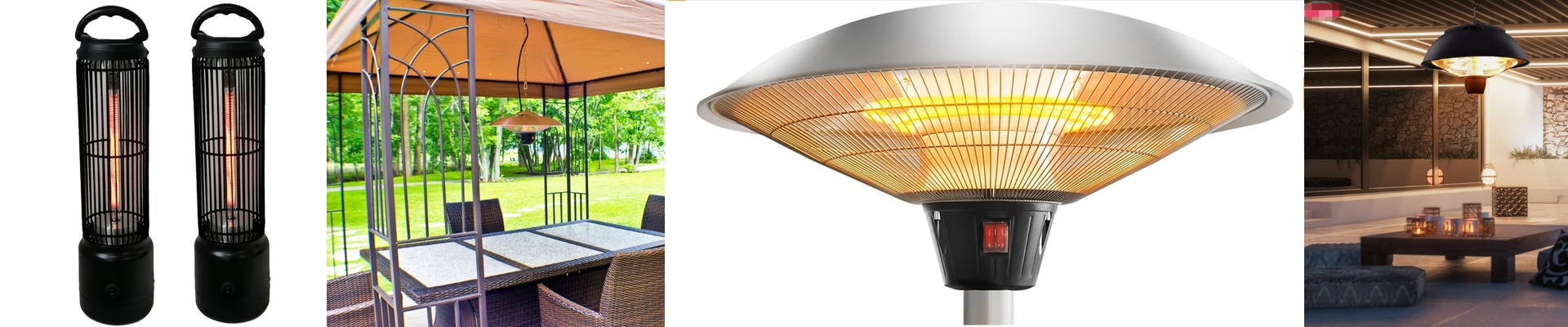
Let’s be honest: there is nothing worse than stepping out of a hot shower into a freezing bathroom. For years, most of us relied on those old carbon or halogen heat lamps. They worked… until they didn’t. The problem is that bathrooms are basically steam rooms. Moisture sneaks into the housing, fries the filaments, or causes a short circuit. It’s a headache nobody needs. That’s why we’ve started moving toward high-IP infrared heaters. They just hold up better. The deal with IP ratings If you’re putting electronics in a room where people are splashing water and steam is hitting the ceiling, “standard” isn’t good enough. You want something with a high IP rating—usually IPX4 or better. In plain English? It means the internals are sealed tight. We use reinforced gaskets and sealed cable entries so the steam can’t crawl its way into the electrical bits. It’s about peace of mind. Why infrared actually feels better Most heaters try to warm up the air. But if you’ve got a drafty bathroom or a window that doesn’t seal perfectly, that warmth just floats away. Infrared is different. Instead of fighting the air, it sends out waves that heat your skin and the surfaces around you directly. It’s instant. You step out of the shower, and you feel that warmth immediately. No waiting around for the room to “warm up.” A few things to keep in mind Now, these things pack a punch. Because they generate so much heat so quickly, they can put a bit of a strain on your wiring. You’ll want to make sure your circuit can handle the peak power so you aren’t constantly tripping your breakers. Also, these heaters get hot. Really hot. Just make sure you don’t mount them right next to your favorite fluffy towels or any plastic fixtures. Give them some breathing room so nothing melts. Getting it installed If your voltage matches, swapping an old lamp for an infrared system is usually a pretty straightforward job. Just make sure the bracket is screwed into a stud—you don’t want this thing sagging. And please, if you’re wiring this in a wet zone, use a GFCI outlet. It’s the only way to stay safe when you’ve got water and electricity in the same small room.