Why these waterproof infrared heaters actually work
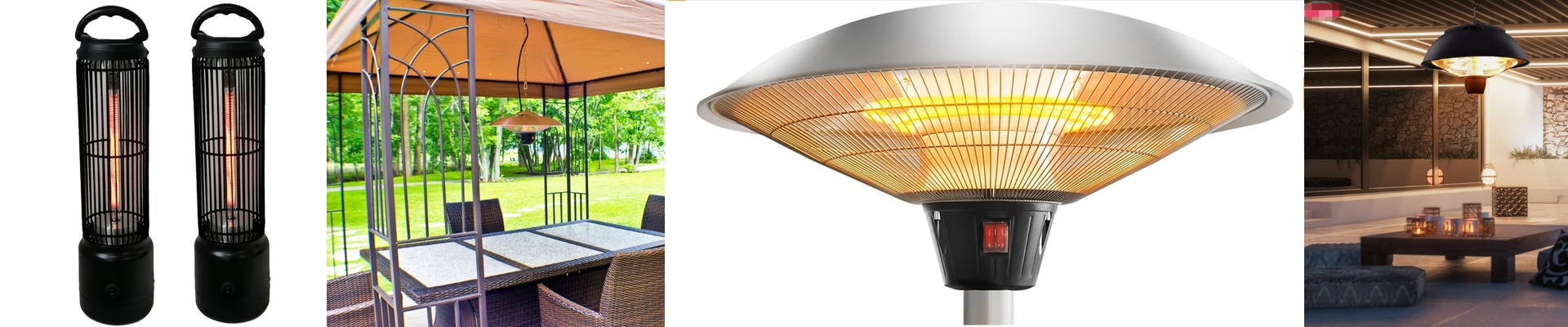
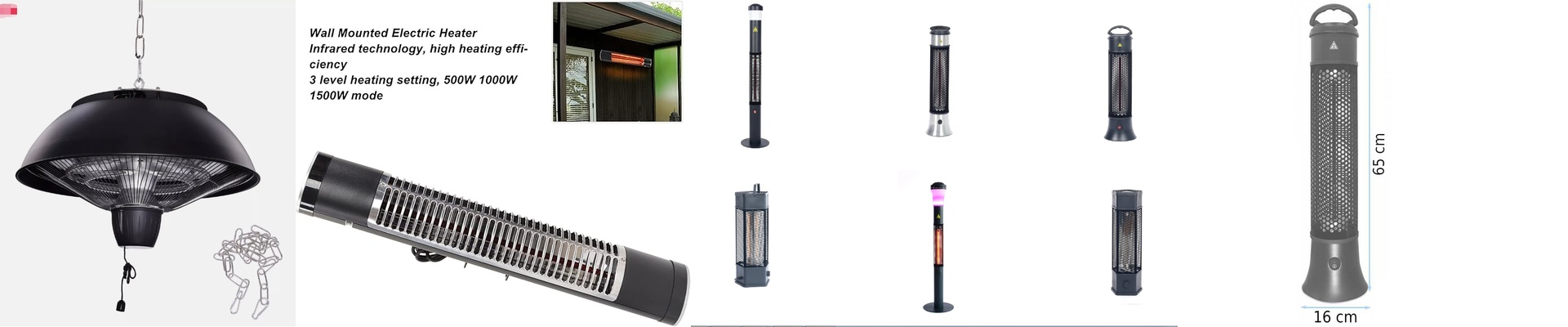
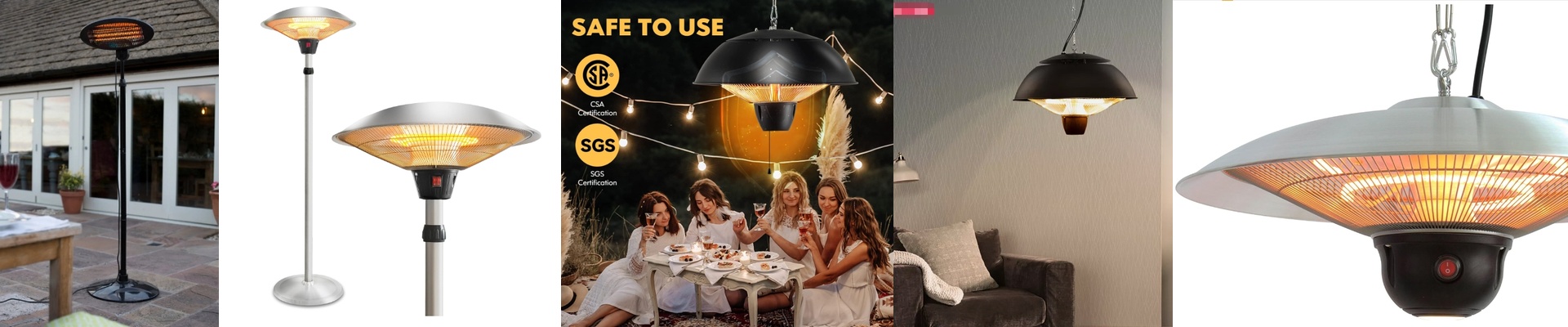
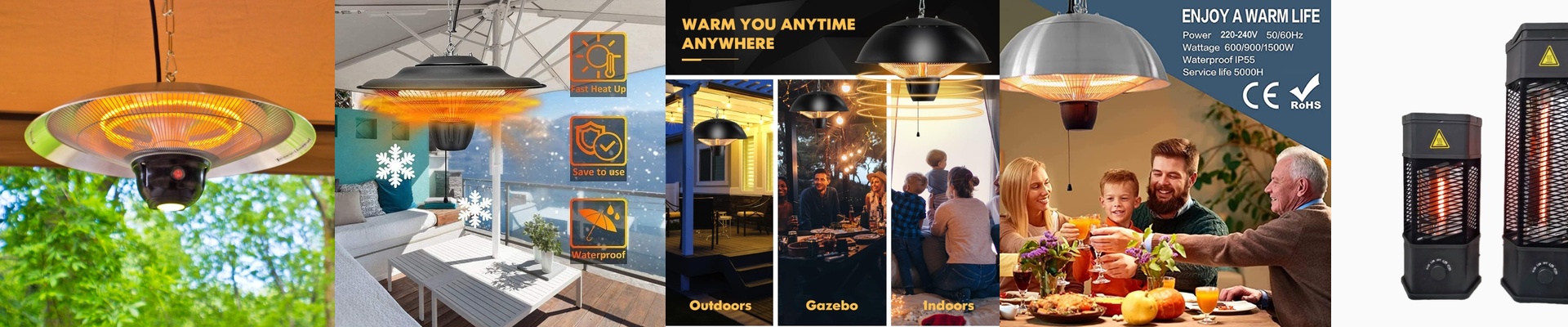
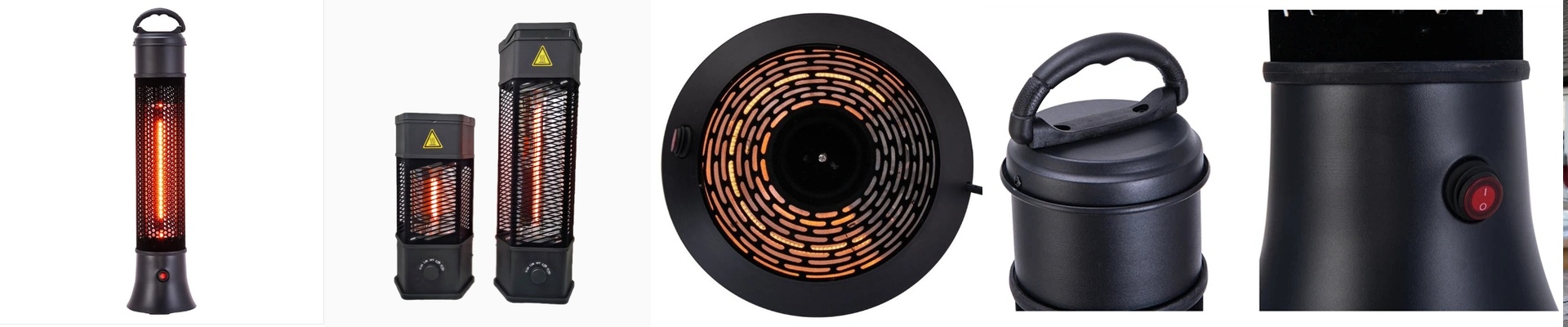
Let’s be honest: changing rooms and wet areas are a nightmare to keep warm. You’ve got high humidity and constant drafts, which makes most heaters pretty useless. If you use a standard convection heater, you’re basically trying to warm up the air—which just floats away the second someone opens a door. That’s why we went with shortwave infrared. Instead of fighting the air, it just ignores it. It goes straight for the target. In this case, that’s the person. It’s like stepping into sunlight. The heat travels as electromagnetic waves. The second the element kicks in, the warmth hits you. No waiting around for the room to “warm up.” You don’t waste electricity heating the ceiling or the walls; you just feel it on your skin and clothes immediately. It’s fast. Really fast. Now, putting electronics in a wet zone is usually a recipe for disaster. Steam gets in, things short out, and the whole unit dies. To stop that, we seal everything up tight. We use high-grade gaskets and housings that keep the moisture out of the electrical terminals. We also use quartz glass tubes. Why? Because they can handle the stress of heating up and cooling down quickly without cracking. They’re tough. Setting them up You can put these on a table or build them right into a bench. The wiring is simple enough, though you’ll want to make sure your circuit breaker can handle that first initial surge when the elements jump to life. There is one catch, though:line of sight. Infrared doesn’t bend around corners. If you tuck the heater behind a locker or place it too low, the person won’t feel a thing. You have to be intentional about where they go to make sure the heat actually hits the user. Also, just a heads-up—high-wattage units get seriously hot on the guard. Keep them away from anything flammable. You want people to feel cozy, not start a fire.