Stop Letting Out-of-Stock Parts Kill Your Production
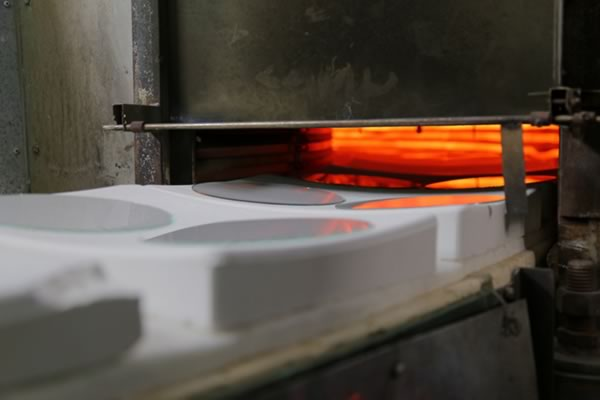
There is nothing worse than a production line grinding to a halt because some OEM part is on backorder. It’s frustrating, it’s expensive, and it makes you look bad to your clients. If you’re running laser cutting for glass, you know the deal: if your support heaters fail, your glass cracks. Thermal shock is a nightmare. That’s where we come in. We build custom infrared heating lamps and get them to your door in7 days.
Getting the heat exactly right
We don’t do “one size fits all.” We build these to fit your existing setup perfectly. Need a specific length? Done. A very specific wattage-per-centimeter? We’ve got you. We tweak the filament until the heat density is exactly where you need it. For those thick glass sheets that need a massive punch of energy, we use high-wattage quartz tubes that hit the target instantly. Just a heads-up: if you’re going for a high-power custom lamp, double-check your wiring and power supply. You don’t want to be the person who trips the breakers or melts a connector because the amperage jumped.
The nitty-gritty on materials
We use high-purity quartz because it lets the infrared energy through without fighting it. Depending on what you’re doing, you can go with clear tubes or coated ones. The coated ones are great because they push the heat onto the glass surface instead of wasting it by heating up your machine frame. As for the fit, we use standard R7s or Sk15 bases. They’re basic, reliable, and they just slide right in. You won’t have to spend your afternoon modifying sockets or hacking at your wiring.
A few honest trade-offs
The big win here is obvious: no more waiting weeks for an OEM shipment while your machines sit idle. Plus, when you keep your glass temperature steady, your scrap rate drops. That’s more money in your pocket. But here’s the thing about physics—if you crank up the wattage to get a faster heat-up time, you’re putting more stress on the quartz. We do our best to balance the gas fill and filament tension so the lamps don’t burn out early, but you’ll still want a stable voltage regulator. It’s the best way to make sure your lamps actually last.