Keeping Your Crew Warm in the Changing Room
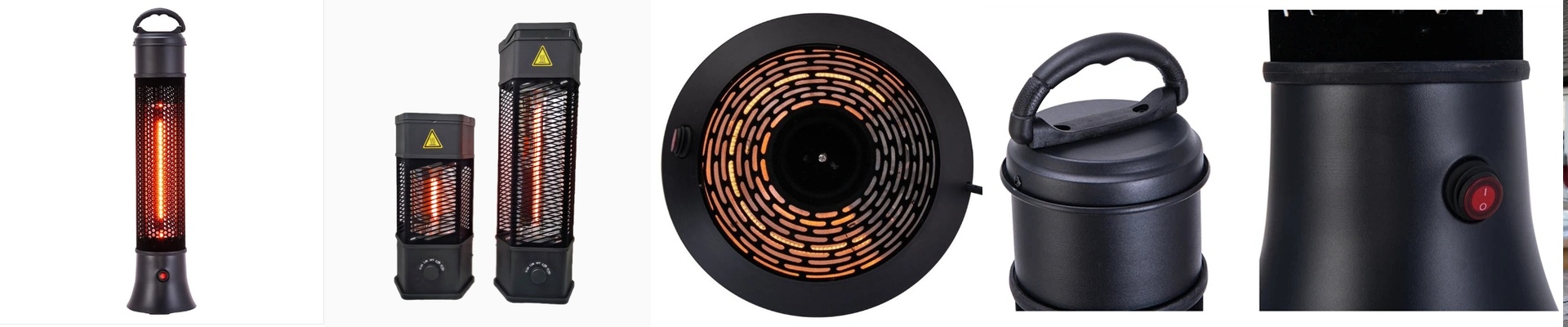
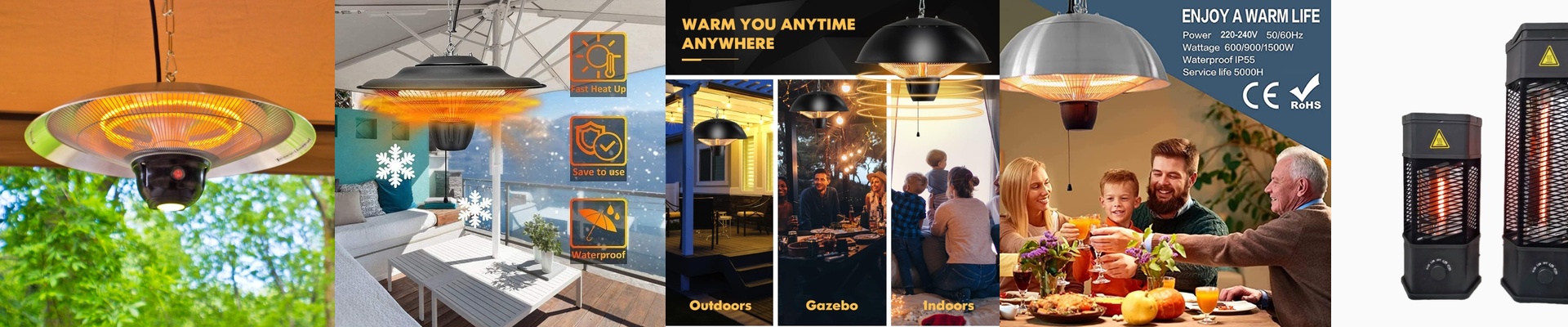
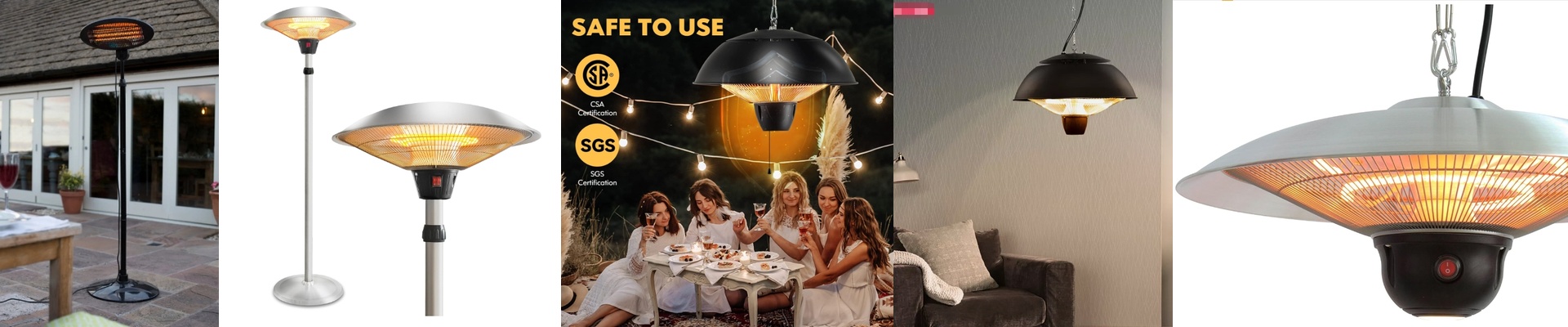
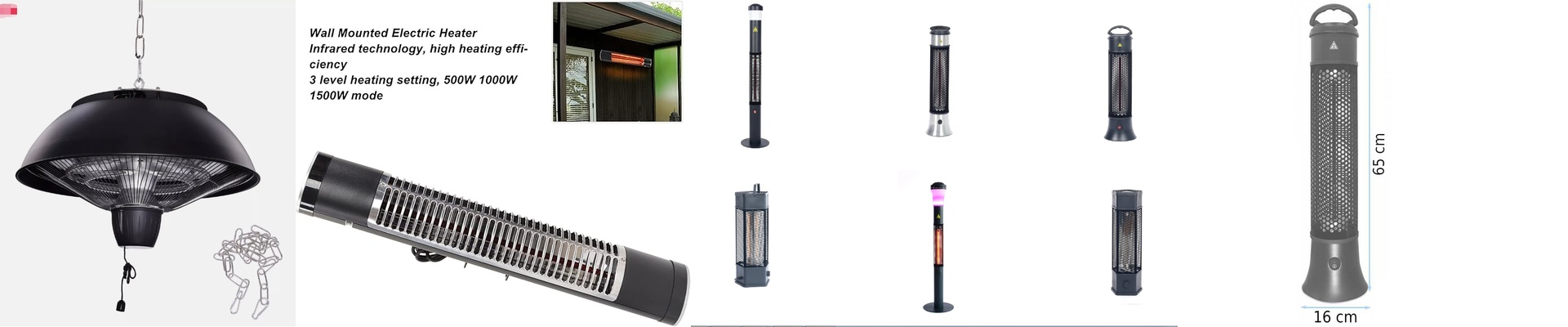
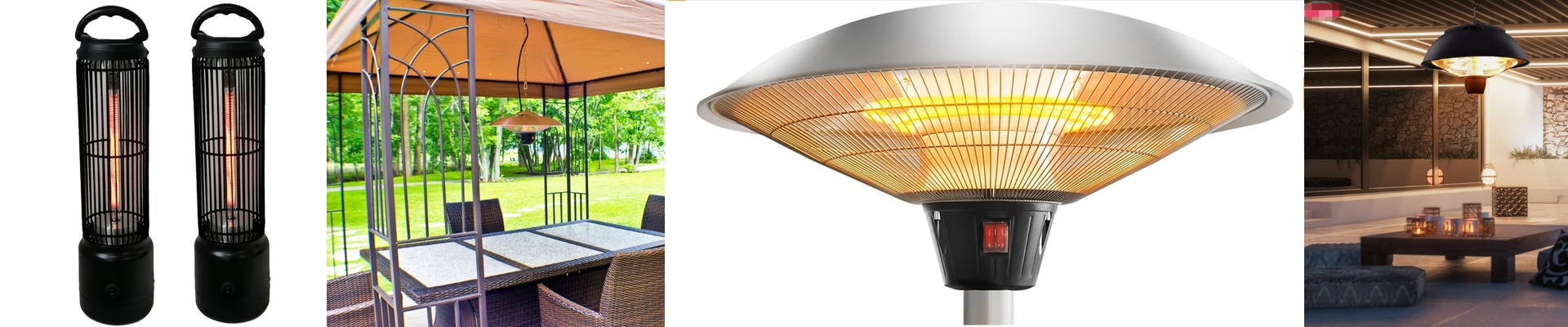
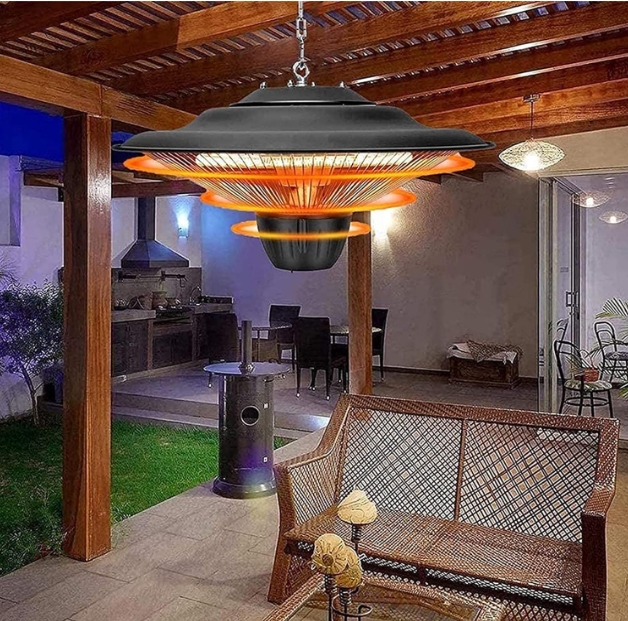
If you’ve ever managed a workshop changing area, you know the struggle. You’ve got high ceilings and doors that are constantly swinging open and shut, letting all the warmth escape. Most people try to fix this with forced-air heaters, but there’s a catch: heat rises. You end up warming the ceiling while your team is still shivering on the floor. That’s why we skip the air entirely and go with ceiling-mounted infrared (IR) heaters. How it actually works Think of it like the sun. Instead of trying to heat up every cubic inch of air in the room, IR waves shoot straight down. They don’t turn into heat until they hit something solid—like a worker’s shoulder or a wooden bench. The best part? It’s instant. You feel that warmth the second you step under the unit, even if the rest of the room still feels a bit chilly. Getting the power right To make that “instant-on” feeling happen, you need some serious muscle. We use high-wattage elements because the heat has to travel a long way from the ceiling to the floor. Here’s the thing: distance matters. If your ceilings are 3 meters high, you’re going to need more wattage than if they were only 2 meters. If you under-spec the power, your team won’t feel a thing. A few things to watch out for We mount these overhead to keep the floor clear, but you have to be smart about where they go. These units put out a lot of direct heat. If you hang one right over a row of plastic lockers, you might find those lockers warping over time. Give them some breathing room. And a heads-up on the electrics: these aren’t your average space heaters. They pull a lot of current. If you try to run them on undersized wiring, you’ll get a voltage drop, and the heaters just won’t hit the temperatures they’re supposed to. If you’re retrofitting an old shop, do yourself a favor and check your breaker capacity first. It’s a lot better to upgrade a panel now than to have the power trip every time the crew comes in for a break.