Making Infrared Bathroom Heaters Actually Safe for Families
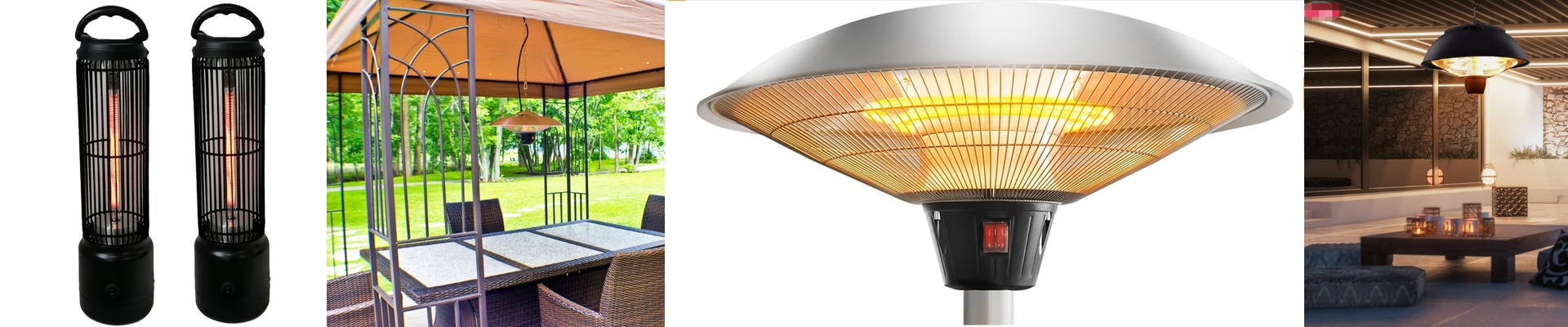
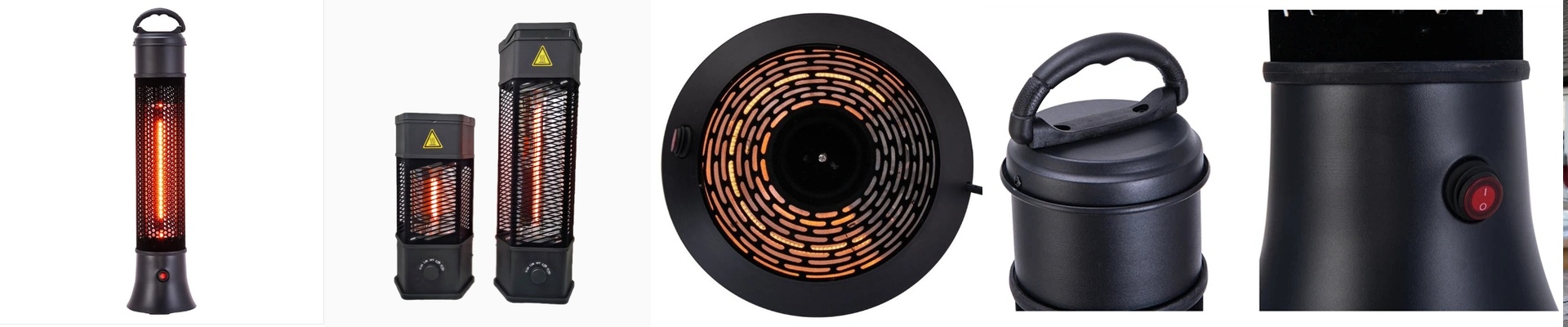
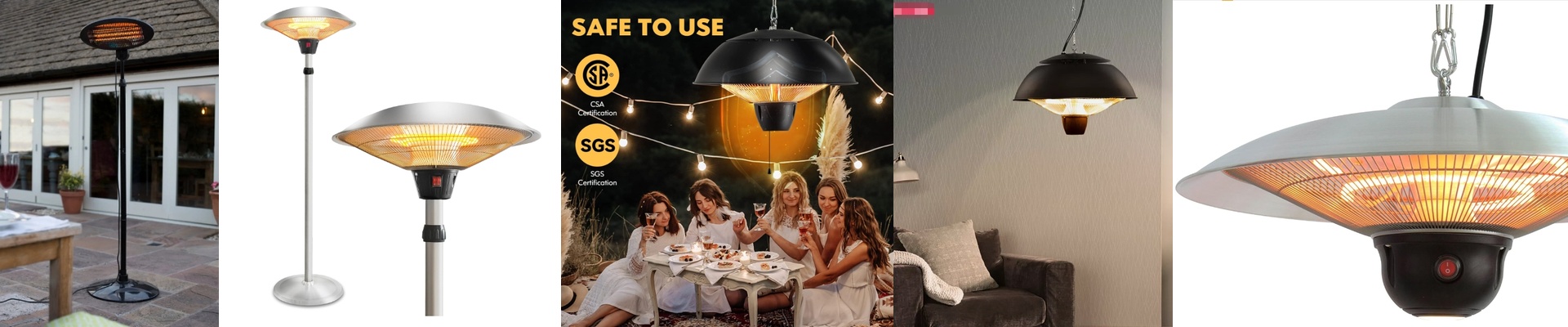
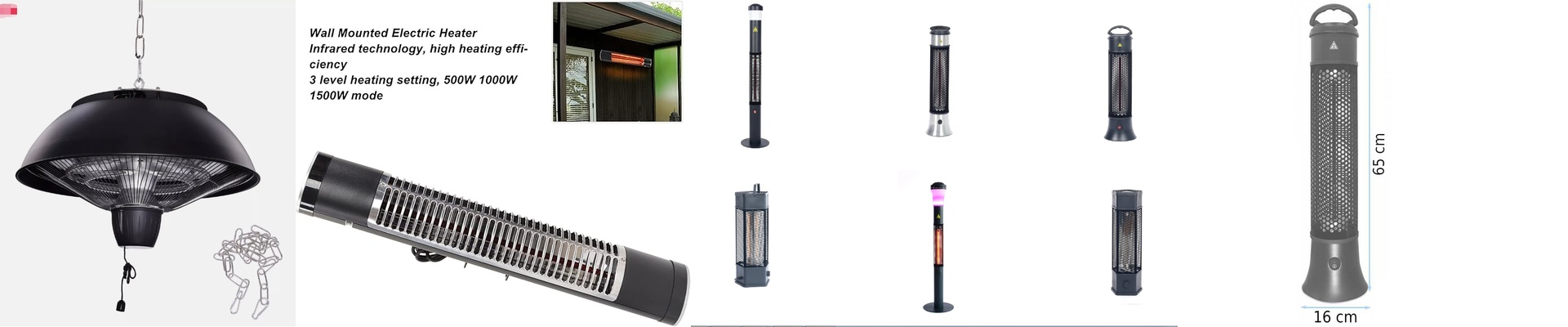
When we design infrared lamps for bathrooms, we’re basically fighting a tug-of-war. On one side, you need a ton of heat to take the chill out of a damp room. On the other, you can’t have a light so bright that it blinds a baby or makes someone squint. Standard short-wave infrared lamps are often way too bright. They put out this harsh, white glare that’s just stressful on the eyes. So, we changed how the light works. Keeping the eyes safe We use special quartz envelopes and internal coatings to act as a filter. Think of it like sunglasses for the lamp. It blocks out that aggressive, high-energy visible light and pushes the energy toward the longer waves. The result? You get the warmth on your skin, but the light stays soft. It’s not that the lamp is “dim” in terms of heat; it’s just tuned to warm you up rather than zap your optic nerve. Heat without the “hot spots” These units plug into your normal home outlets, but we cap the wattage. Why? Because nobody wants a heater that gets hot enough to burn someone on contact. We also added a diffused reflector. Instead of a concentrated beam of heat hitting one spot on the floor, it spreads the warmth out evenly. It’s a much safer way to keep a toddler warm without worrying about a “hot spot” causing a burn. And there’s a trick to the setup. If you use a lower-wattage lamp, you can mount it lower to the ground. You still get a cozy room, but the baby is much safer. The trade-off Now, here’s the honest part: filtering the light isn’t free. When you block those visible wavelengths to protect the eyes, you lose a tiny bit of efficiency. You get a much gentler glow, but it might take a few extra seconds to really feel the heat compared to a raw, uncoated tube. To fix that, we recommend wiring it with a dimmable controller. That way, you’re the boss of the heat density.