
Keeping People Warm in Wet Zones
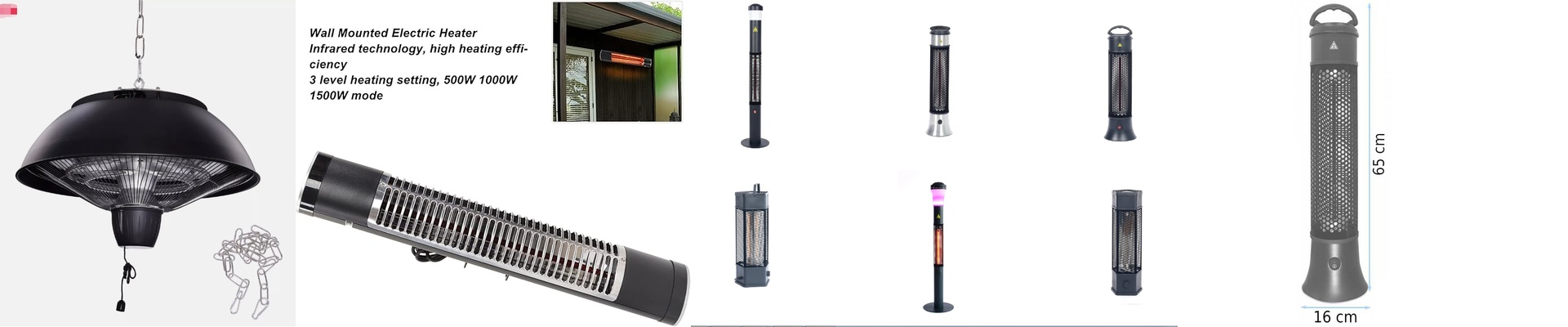
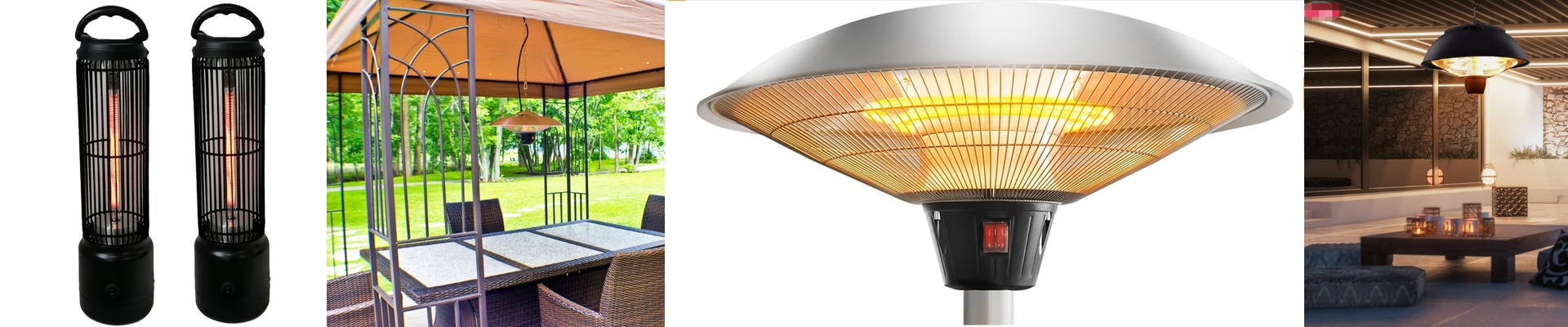
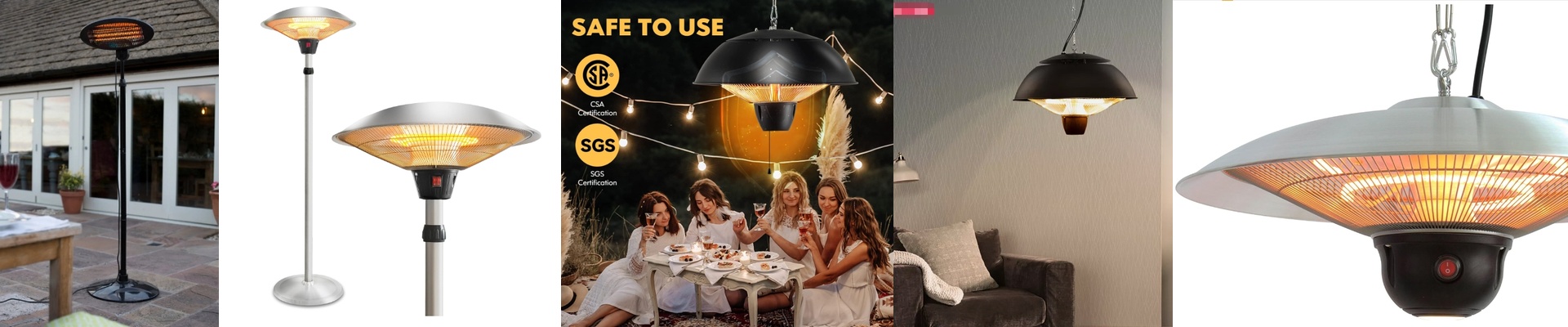
Let’s be honest: locker rooms and changing areas are a nightmare to heat. You’ve got water splashing everywhere and humidity that makes everything feel damp and chilly. If you try to just warm up the air, you’re fighting a losing battle. That’s why we use shortwave infrared. Instead of trying to heat the entire room, it beams energy directly at the person. It’s like stepping into a patch of sunlight on a winter day. You feel the warmth instantly, even if the air around you is still freezing.
Dealing with the Water
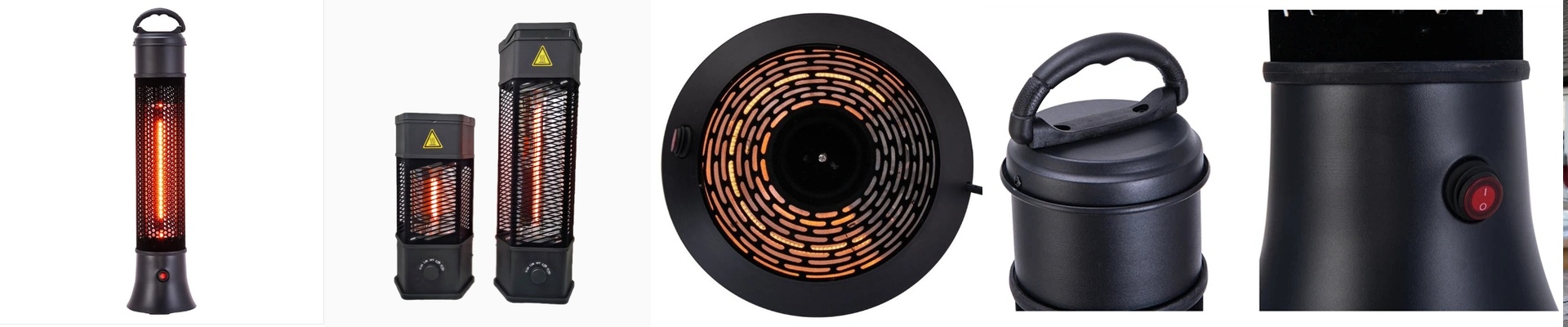
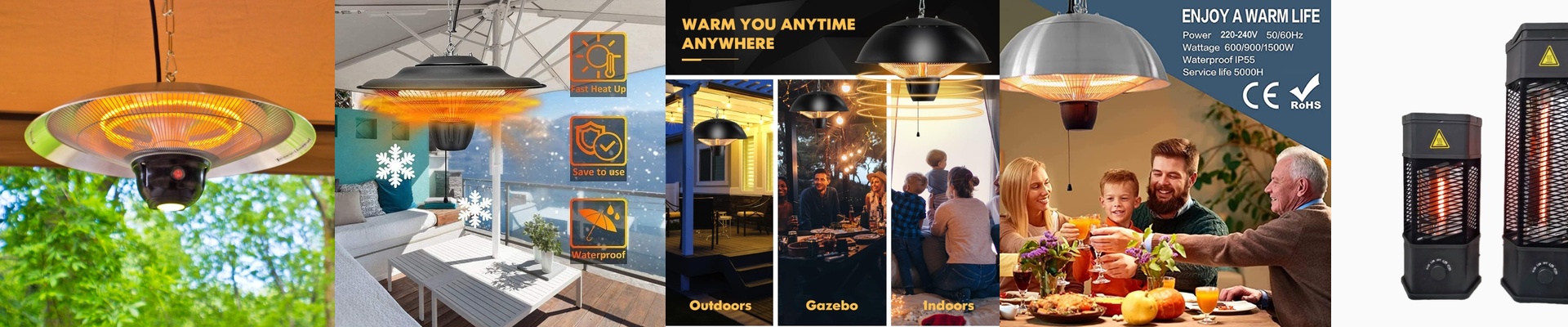
Putting a regular heater in a wet room is basically asking for trouble. It’s a safety risk, plain and simple. To stop that from happening, we build our units to an IPX5 standard. In plain English? It means we’ve sealed the electrical junctions and the lamp housing so tight that water jets can’t get inside. If moisture leaks into the circuitry, the unit shorts out or the lamp dies way too early. We make sure that doesn’t happen, so the heaters can handle the mist and the occasional direct splash without breaking a sweat.
How the Heat Actually Works
These lamps don’t waste time. There’s no “warming up” period where you’re standing around shivering. The heat hits you immediately, and we focus that energy right where it matters—down at floor level where people are actually standing. To keep the tungsten filament safe, we wrap it in quartz glass. Now, there is one thing to keep in mind. Because this heat is so targeted, you get a very specific “warm zone.” You’ll feel cozy, but the walls and ceiling will stay cool. The upside? You aren’t wasting money heating empty space. The downside? You have to be smart about where you place them. If you put them in the wrong spot, you’ll end up with annoying cold patches.
Getting Them Installed
We kept the footprint small because nobody wants to trip over a heater in a crowded locker room. If you’re wiring these in, just a heads-up: make sure your breakers can handle the initial surge of power when they kick on. If you’re replacing an old system, these should drop right in. Just double-check that your old mounting brackets are sturdy enough to hold the waterproof casing—it’s a bit heavier than a standard unit, but it’s what keeps the water out.