Keeping People Warm in Damp Transition Zones
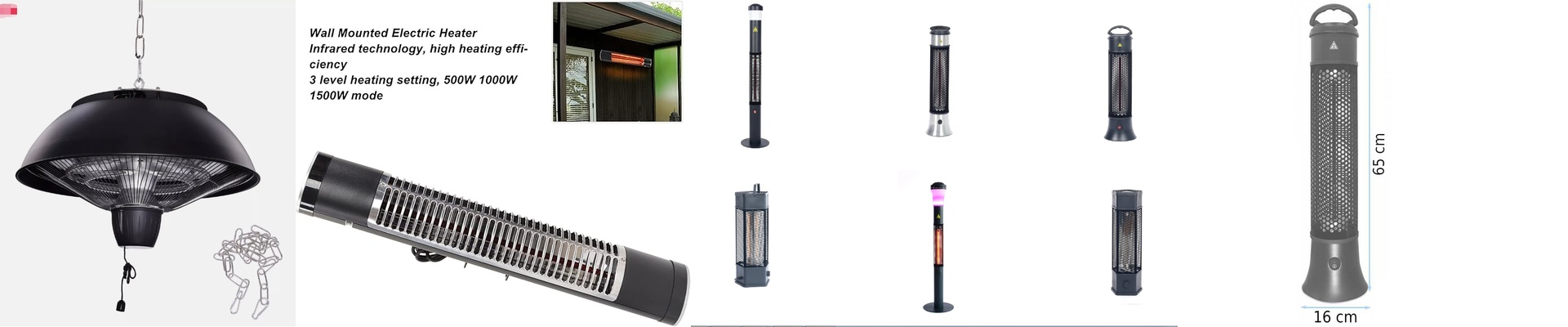
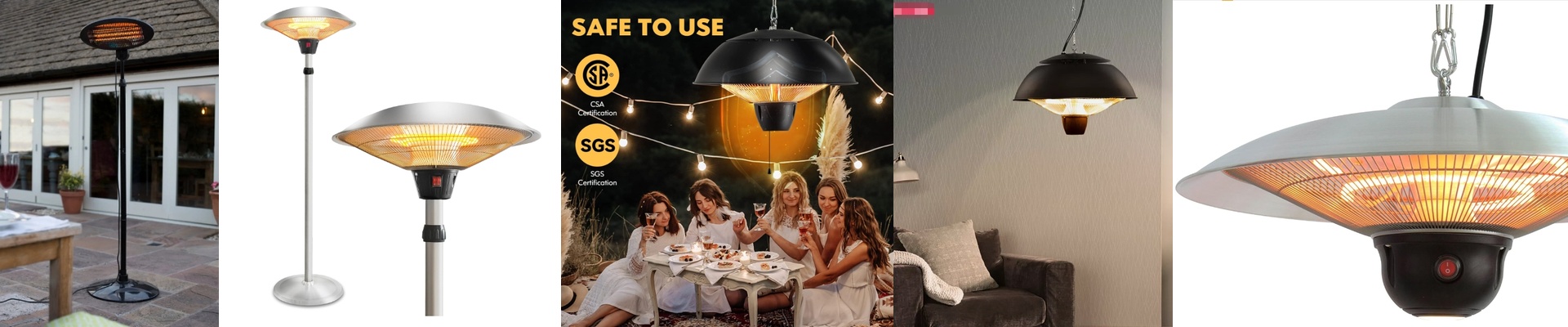
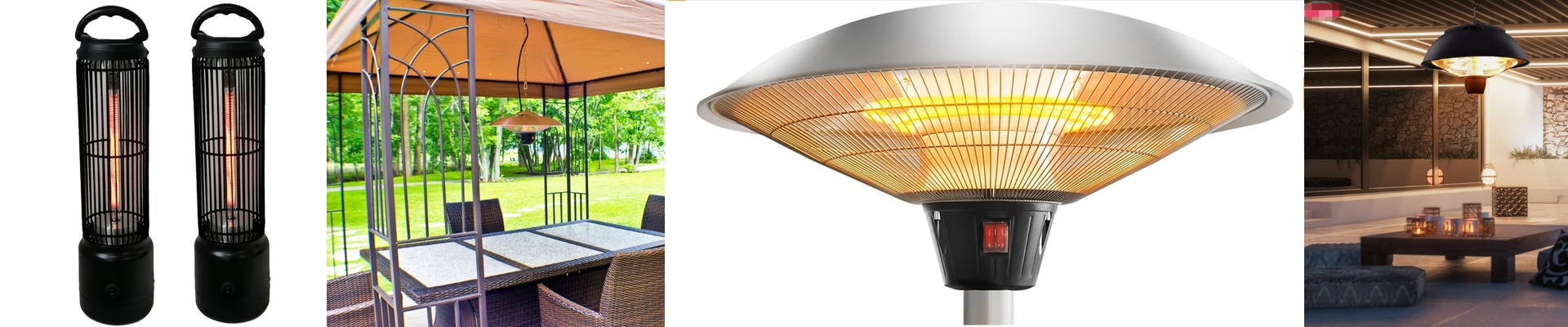
Nobody likes that shivering feeling when you step into a freezing changing room. If you want to fix that instantly, you can’t rely on blowing hot air around. Forced air just wastes energy trying to heat up the entire room. Instead, we use shortwave infrared. It’s different. It skips the air entirely and sends heat straight to the skin and clothes. It feels like stepping into a patch of sunlight on a cold day.
Dealing with the Damp
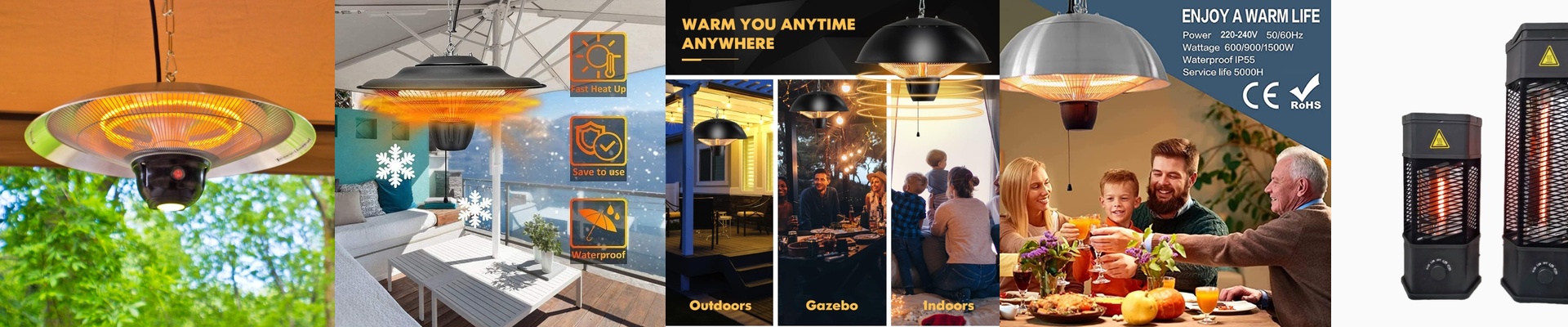
In changing areas or outdoor hallways, moisture is a nightmare. That’s why we use IP66-rated units. In plain English? They’re dust-tight and can handle a high-pressure blast of water without flinching. We seal every junction and the lamp housing so steam and splashes don’t cause a short circuit. If you’re putting these near showers or a drafty entrance, this is what keeps the units from frying the moment the humidity spikes.
Instant Heat (and the Catch)
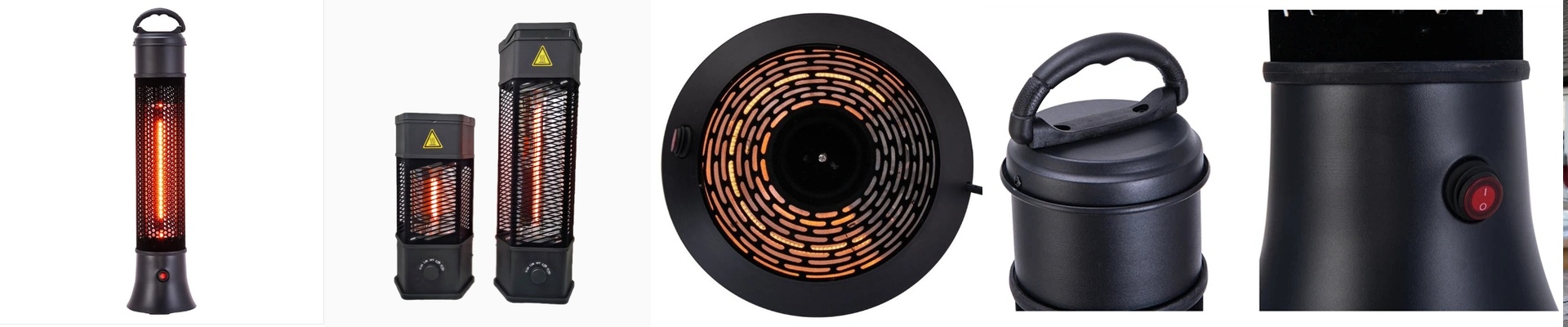
We use quartz halogen elements because they’re incredibly fast. We’re talking seconds. The heat penetrates deep, giving people that luxury, five-star warmth the moment they walk in. But here’s the thing: you have to be smart about where you put them. High-wattage lamps pack a punch. If you don’t position them just right, you’ll end up with “hot spots”—those annoying areas where the heat feels way too intense.
Getting the Install Right
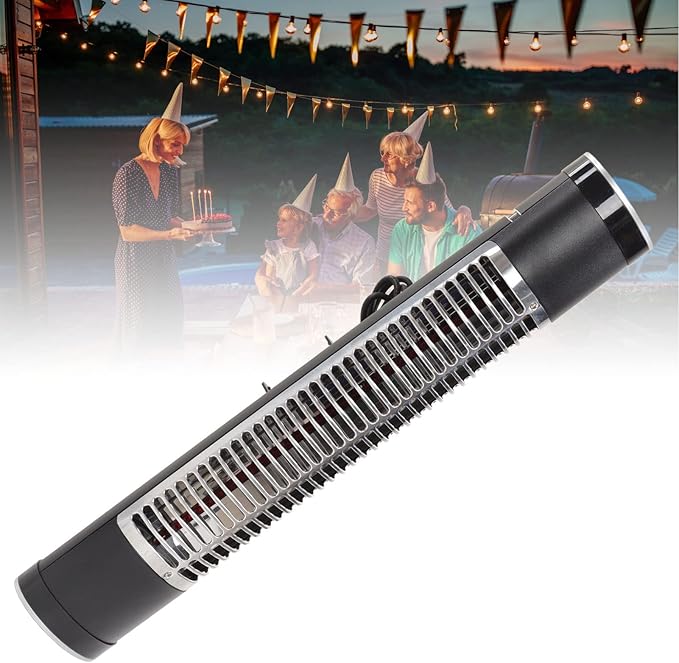
You’ll need a stable power supply to handle the initial surge when these kick in. Also, keep an eye on your mounting surfaces. These things put out a massive amount of heat, so don’t bolt them directly onto thin veneers or flammable plastics. I usually recommend leaving at least 1.5 meters of space between the heater and the person to keep things comfortable and safe. And a quick tip: don’t overdo the wattage in a tiny room. You’ll bake the place in minutes. A simple dimmer or a precise thermostat is the best way to keep the temperature from spiraling.