Stop the Chipping: Why We Preheat Glass
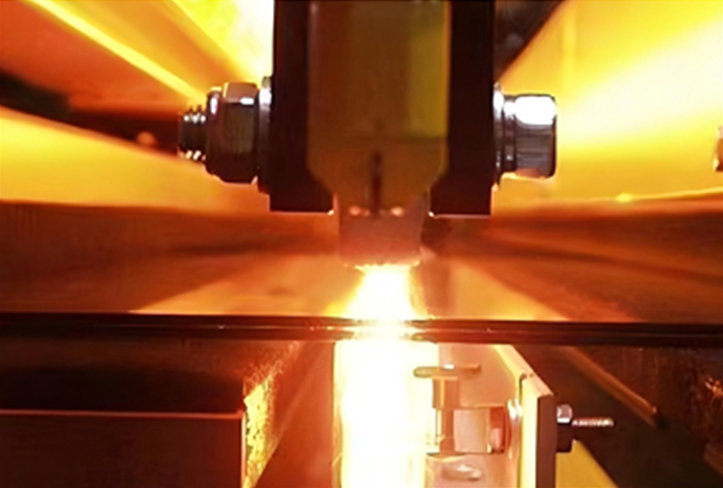
Ever tried cutting cold glass and ended up with those annoying little chips or corner breakouts? It’s a headache. When that diamond wheel hits cold glass, the internal stress is all over the place. The fracture doesn’t always go where it’s supposed to, and that’s how you end up with a ruined piece. We’ve found a way around this using short wave infrared (SWIR) heating tubes. Basically, we warm the glass up before the cut. The secret is in the heat. SWIR lamps hit a specific wavelength (0.76 to 2.5 $\mu$m) that glass just drinks up. By warming the material, you’re essentially relaxing it at a molecular level. It lowers the surface tension, which means the crack actually follows the line you set. No more wandering fractures. Just a clean, satisfying snap. To make this work, you can’t just use any old heater. You need some serious power density. We usually go with quartz halogen tubes because they can push past 2000°C. The heat hits the glass immediately—no waiting around for it to “soak” in. But you have to get the timing right. If your tubes are too short for your conveyor speed, the glass stays too cold. Too long? You’ll overheat the glass and end up with thermal warping. It’s a balancing act. A few things to watch out for… These high-wattage tubes aren’t toys. They pull a lot of current, so make sure your wiring is up to the task. If your voltage drops, your heat drops. And they get hot. Like, really hot. If your vents are clogged or a cooling fan dies, you’ll fry your reflectors in no time. One last tip: be incredibly careful with the quartz. It’s fragile. If a single drop of oil or coolant hits a hot tube, it’ll shatter instantly. Keep your workspace spotless, and you’ll be fine.