Getting the Heat Right: Why Twin Tube IR Elements Matter for Glass R&D
If you’ve ever tried using a standard, off-the-shelf infrared lamp for glass R&D, you know the frustration. They just blast heat evenly across the board. But that’s rarely what you actually need. When you’re messing around with new glass composites, you need specific thermal gradients. If the heat isn’t hitting the material exactly where and how it should, you end up with internal stress or curing that’s a total mess. That’s why we don’t just look at the size of the lamp. We focus on thepower densityinside.
It’s more than just length and wattage
Most suppliers will ask you how long you want the lamp and how many watts you need, and then they stop there. We take it a step further. We play with the coil winding density to create “zones.” By changing the pitch of the winding along the twin tubes, we can cram the heat into the center or push it out toward the edges. It’s a huge win for your workflow. You can simulate a very specific thermal environment without having to tear apart your furnace and redesign the whole footprint.
The physics of the twin tube
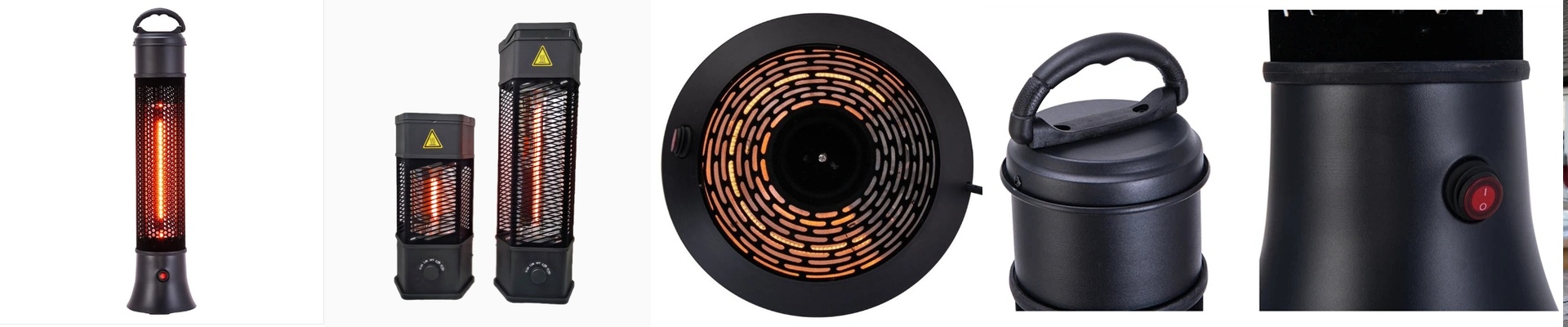
Here is the deal: a twin tube design gives you way more radiating surface area than a single filament. This helps manage the heat flux, which is fancy talk for “stopping hot spots.” In the world of sensitive glass substrates, a hot spot is a death sentence—it’s usually where the crack starts. To keep things clean, we use high-purity quartz so the shortwave radiation actually gets through. But you have to be smart about the balance. A high-density custom element puts out a massive amount of heat, but it also puts a lot of pressure on your power supply and connectors. And a word of warning: if we push too much wattage into one small section, make sure your cooling fans can handle the heat build-up around the lamp ends. Otherwise, you’re looking at burnt-out seals.
Making it work in the lab
We build these for the labs that need room to breathe and experiment. Whether you’re testing a new borosilicate blend or some weird specialty optical glass, these lamps are basically drop-in replacements. You get to control the exact wattage per centimeter. When you’re trying to isolate variables during material phase transitions, that kind of precision is the only thing that actually works.