Stop the Chips: Why we preheat glass with IR
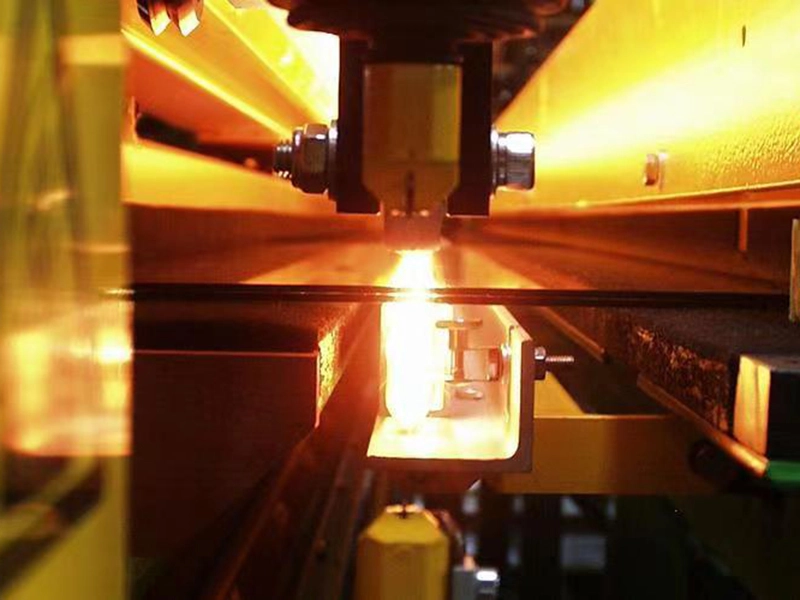
Glass is a pain to work with because it’s so brittle. If you try to cut a cold sheet, the internal stress usually wins. You end up with those annoying micro-cracks, jagged edges, or the dreaded corner breakout. It’s frustrating, and it wastes a lot of material. The fix is actually pretty simple: we warm the glass up before the blade ever touches it. How it actually works We use infrared (IR) lamps to beam energy straight into the glass. Think of it as relaxing the material. When the surface warms up, the internal tension drops and the glass becomes a bit more forgiving. Suddenly, the crack behaves. Instead of jumping sideways and ruining your piece, it follows the score line exactly where it’s supposed to. That means way less scrap ending up in the bin. Getting the hardware right You can’t just use any old heater. You need short-wave IR emitters. These hit the glass fast and hard. If you go with low-wattage gear, the center of the glass stays cold, and you’re right back to square one with chipping edges. But you have to be careful. It’s a balancing act between how hot the lamps are and how fast your belt is moving. If you crank the heat too high but keep the line slow, you’ll run into thermal shock. The glass can actually warp or crack just from the heat. Plus, you’ll need a cooling system that can handle the heat soak around the cutting head, or things get messy. Keeping things running We build these systems to slide right into your existing setup. We use quartz envelopes because they can take the heat, but they aren’t invincible. Glass dust and coolant mist love to coat these tubes. If you let that buildup happen, it blocks the IR radiation. You’ll get “hot spots,” and your filaments will burn out way sooner than they should. Keep the quartz clean, keep an eye on your line speed, and the glass will practically cut itself.