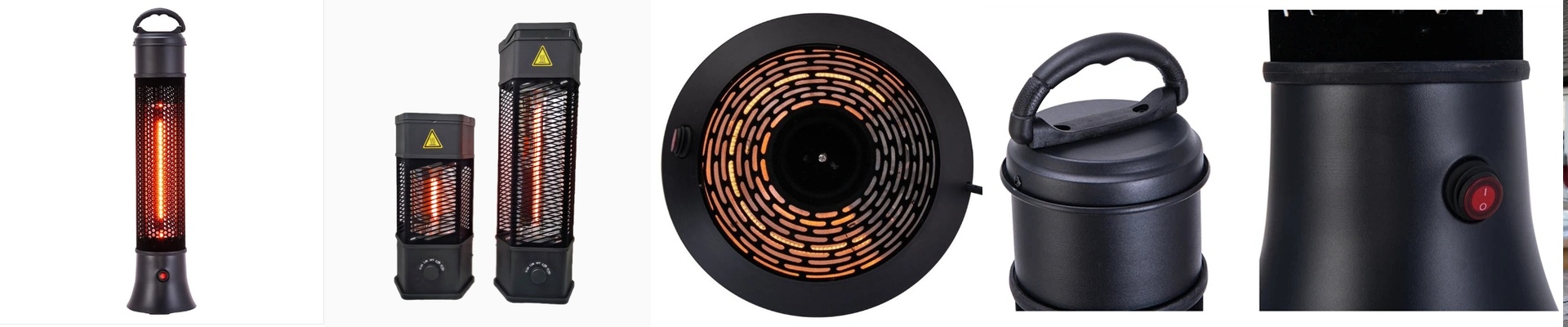
Getting Your Bathroom Heat Just Right
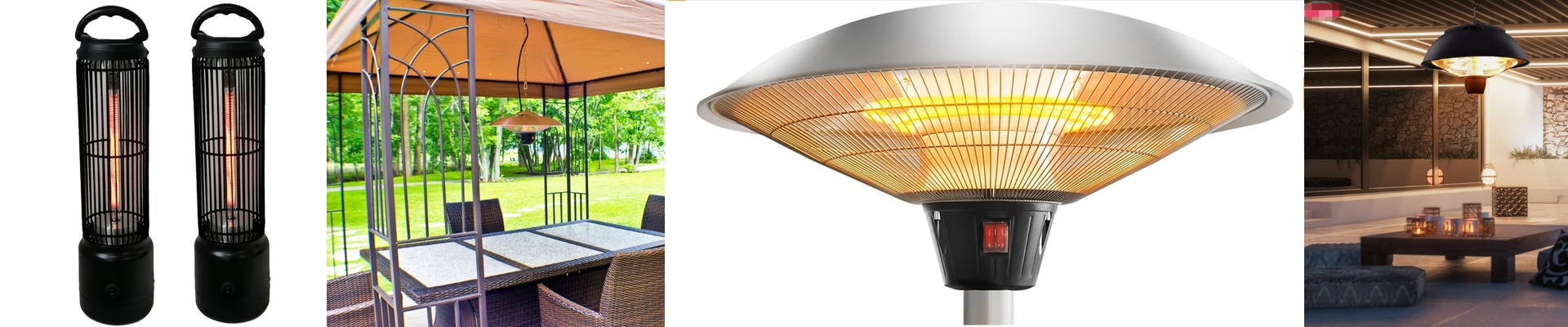
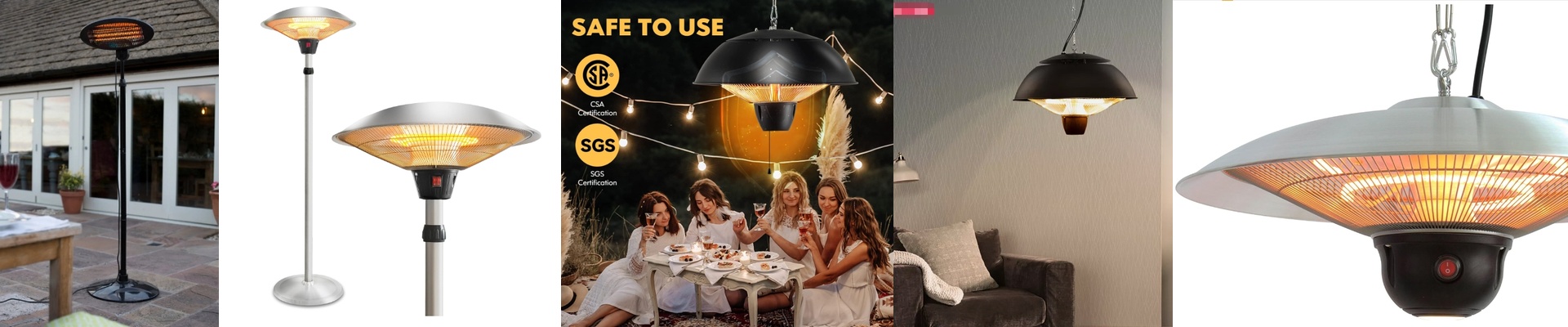
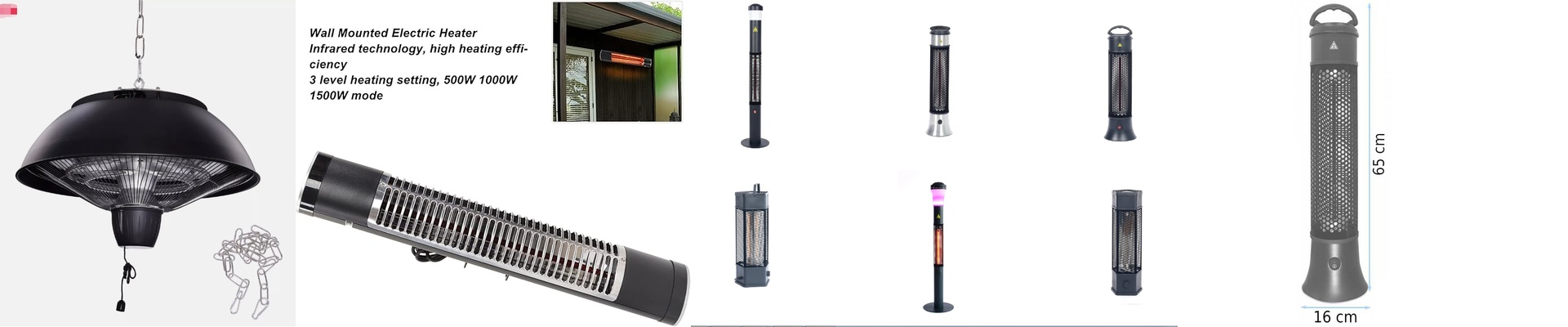
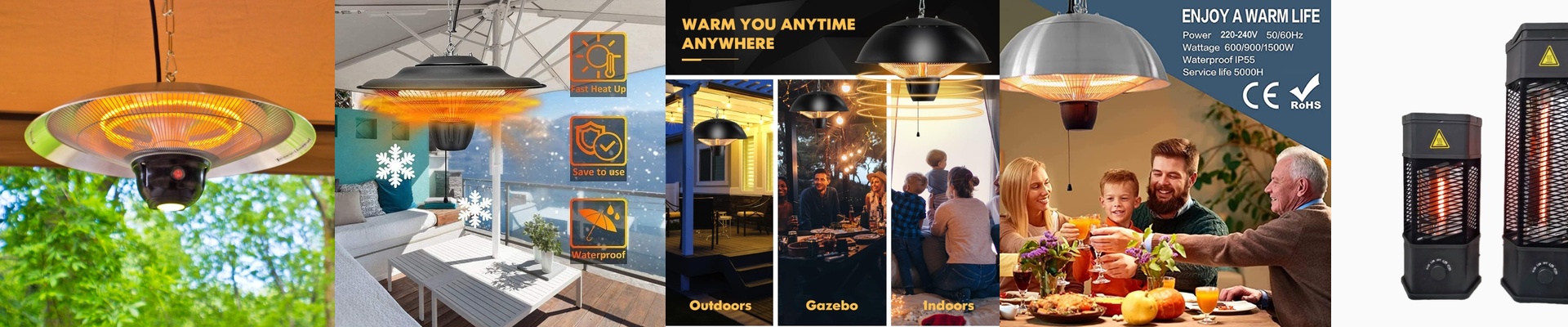
Nobody likes stepping out of a hot shower into a freezing bathroom. But here’s the thing: you can’t just throw the biggest heater you find at the problem. If you do, you’ll end up baking yourself in a tiny room and watching your electric bill skyrocket. It’s all about the size of the space. If you’re dealing with a tiny powder room, something in the 400W to 600W range is plenty. It gets the job done without making the room feel like a sauna. For those mid-sized bathrooms, we usually go with 800W to 1200W. Now, if you’ve got a massive master bath or a huge wet room, you’re looking at 1500W or more—or maybe just a few smaller heaters spread out. And a quick tip: don’t go too low on the power. If the heater is too weak for the room, it’ll just run at full blast forever, and that’s a great way to burn out the filaments way too soon. Then there’s the water issue. Bathrooms are humid, steamy, and prone to splashes. That’s why we stick to IP55-rated gear. In plain English? It means the housing is sealed tight. We use quartz envelopes and sturdy gaskets so the moisture stays out and the electricity stays where it belongs. It’s about peace of mind. But keep an eye on your wiring. High-wattage heaters are great because they warm you up fast. But they’re hungry for power. If you plug three 1500W heaters into one old residential circuit, you’re probably going to trip your breaker. It’s worth double-checking your amperage before you start installing everything. To really save some cash, try pairing your heaters with a timer or a motion sensor. Since infrared heat hits your skin directly—rather than trying to warm up every single cubic inch of air—it’s way more efficient than those old-school convection heaters. You get the warmth exactly where you need it, and you stop paying for heat the second you leave the room.