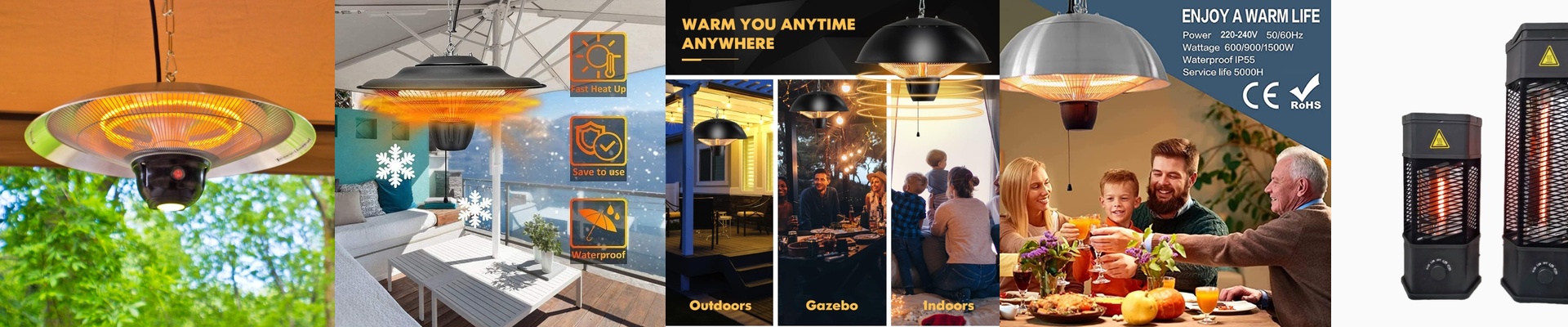
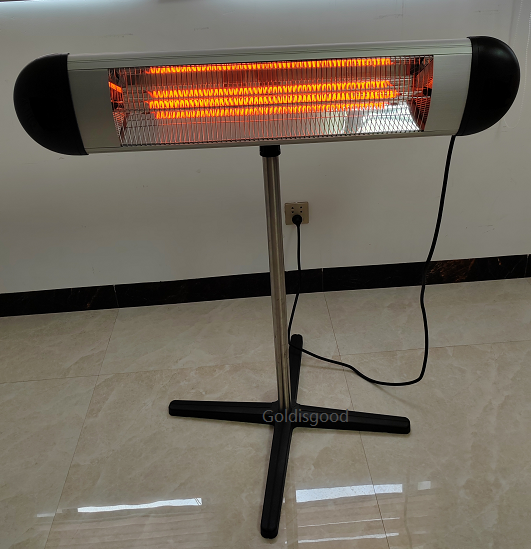
Stop Fighting Your IP55 Heaters
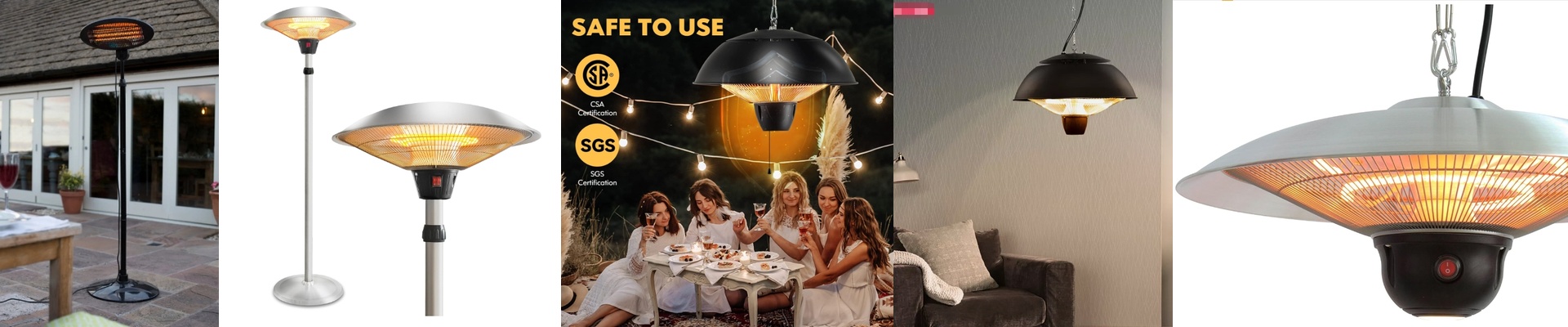
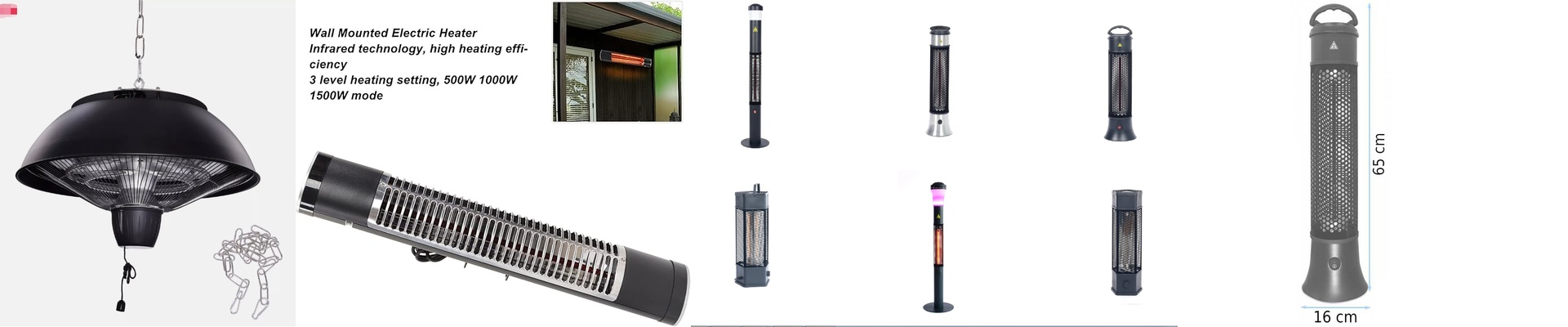
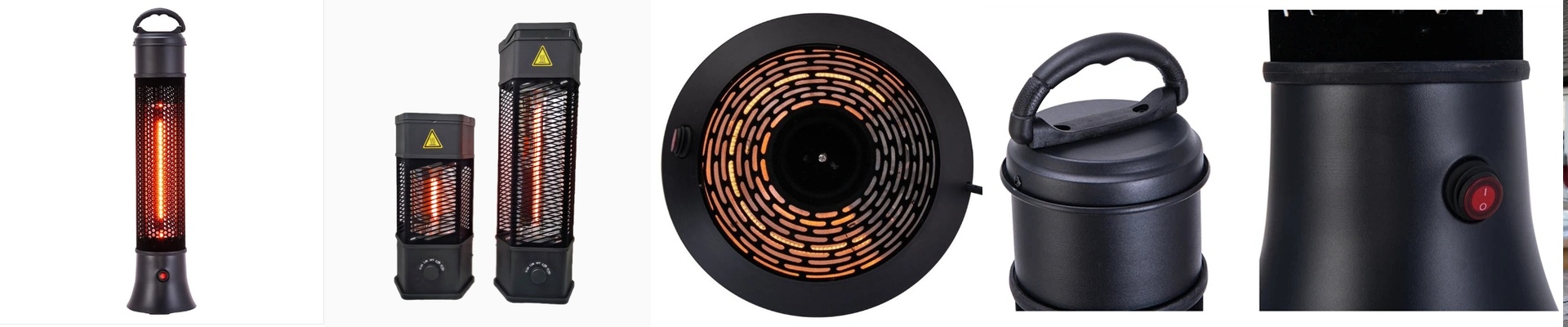
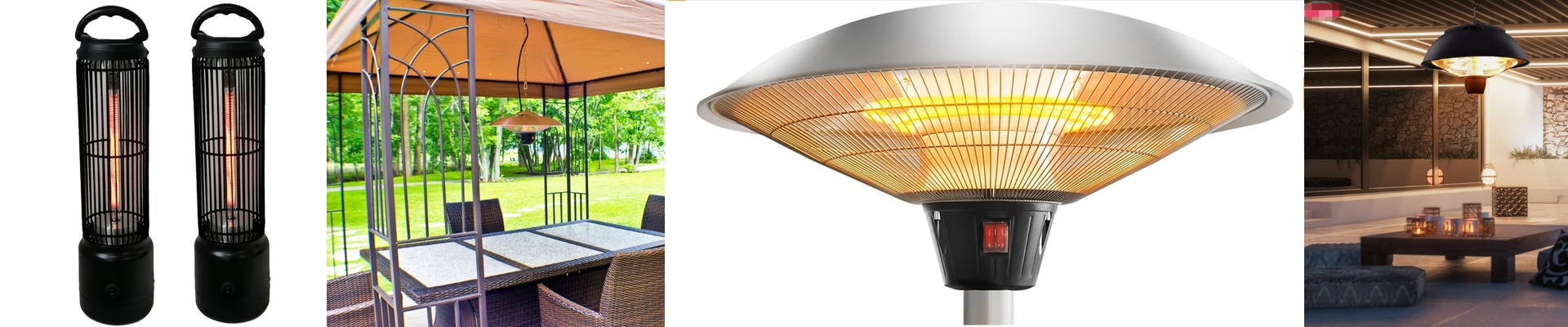
Let’s be honest: industrial heating elements always burn out eventually. It’s just what they do. But if you’re using IP55-rated waterproof table heaters, you already know the headache. Those seals and gaskets that keep the dust and water out also make getting to the heating tubes a total nightmare. Usually, you end up stripping half the machine apart just to swap one dead lamp. It’s frustrating, it’s slow, and it’s a waste of a Tuesday. We got tired of that, so we changed how these things are built. Instead of one big, fixed assembly, we went with a modular setup. We basically split the waterproof housing away from the heating module. This means you don’t have to mess with the main chassis seal every time a tube quits on you. Here is how it actually works in the real world: When a tube fails—maybe five years down the line—you aren’t stuck soldering wires in some cramped, dark housing. You just unplug the quick-connect terminals, slide the whole infrared module out, and drop a new one in. It turns a project that used to take hours into something that takes a few minutes. Since we use standardized footprints, the new module just clicks right into place. No fiddling with alignment. No guessing. Now, a quick word of caution from the engineering side. Modular designs mean more connection points than a hard-wired system. Because of that, you’ve got to make sure your connectors can handle the current your heaters are pulling. You don’t want hotspots at the terminals. If you’re pushing high wattage, just double-check your torque specs during the swap. It’s a small detail, but it keeps things safe. At the end of the day, we started treating the heating element as a part you replace—like a lightbulb—rather than some permanent fixture you have to perform surgery on. You just swap the module and get back to work.