Stop Throwing Away Your Heaters
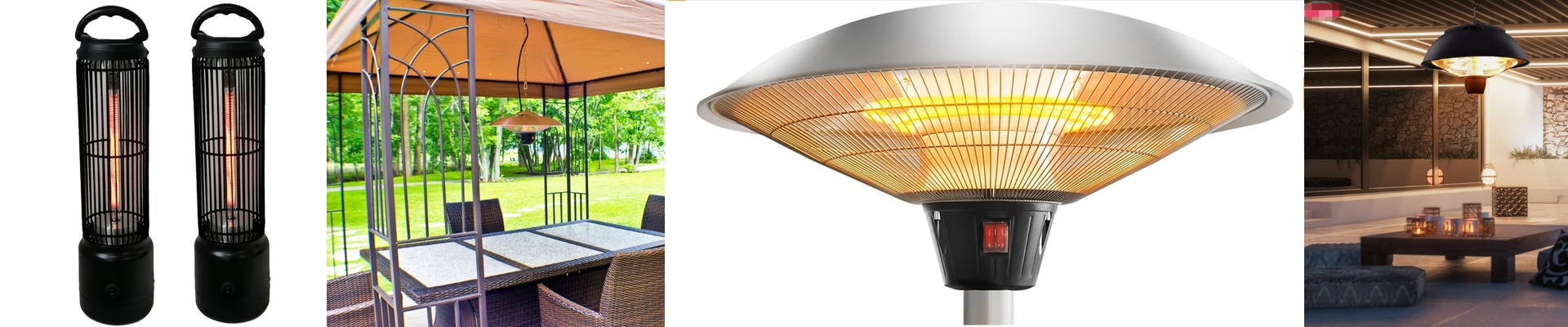
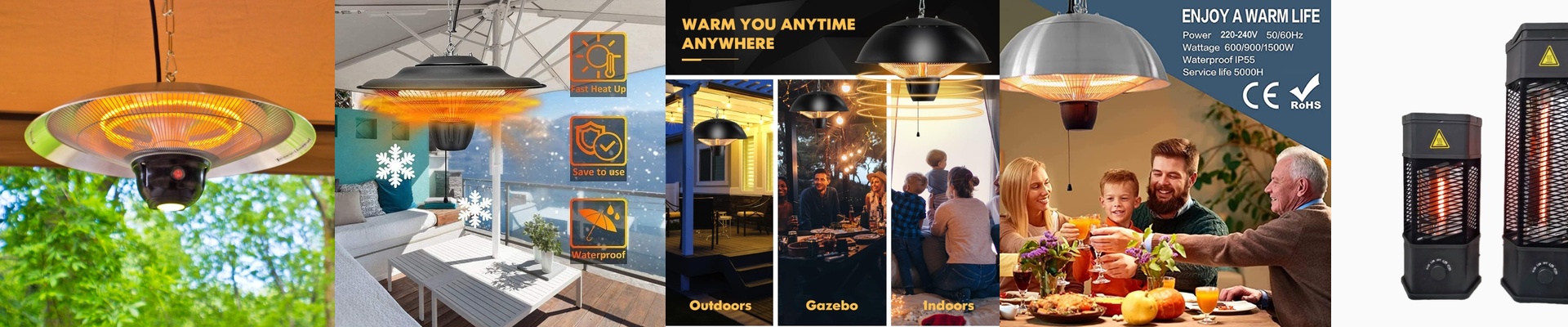
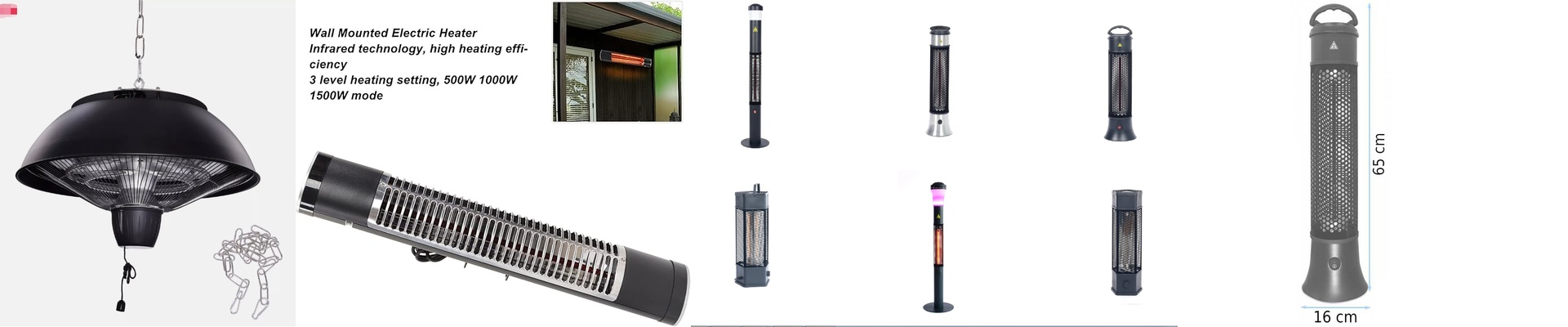
Let’s be honest: most outdoor heaters are basically disposable. You install them, they work great for a while, and then five years of salt air and humidity do their thing. A heating element burns out, and suddenly you’re stuck. You either toss the whole chassis in the trash or spend a miserable afternoon fighting with rusted screws just to fix one part. We got tired of that. So we built our IP65 infrared modules to actually last.
Fixing things shouldn’t be a nightmare
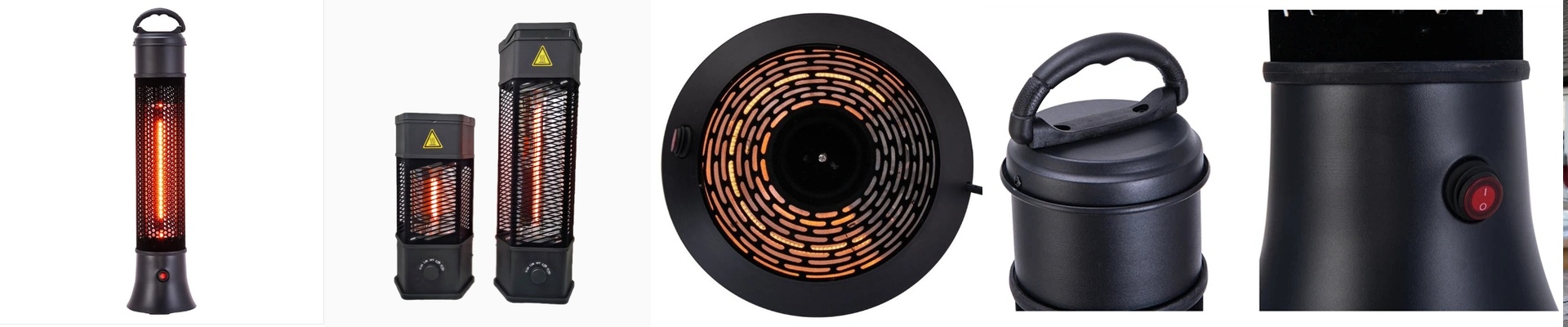
We look at the heating element the way you look at a lightbulb—it’s something that eventually wears out, not a permanent part of the building. Instead of sealing everything into one giant, unreachable block, we separated the waterproof housing from the infrared emitter. If a tube goes, you don’t have to rewire the whole unit while standing on a ladder in the rain. You just pull the module, swap the tube, and slide it back in. It’s a simple swap. Your crew doesn’t have to tear apart the housing or mess with the waterproof seals. We used quick-connect terminals, so it’s basically a “plug and play” situation.
The struggle with heat and water
Here’s the tricky part: keeping water out (IP65 style) while letting heat escape is a constant battle. We use specific gaskets and cable glands to make sure the unit is dust-tight and can handle a blast of water. But that seal creates a tight internal space. Since the air can’t just flow freely, the components inside get cooked. To stop the wires from melting during a heavy winter load, we used high-temperature wiring that can actually take the heat.
The honest trade-off
Now, look—nothing is perfect. Because this is a modular system, there are more connection points than you’d find in a hard-wired unit. And every connector is a potential headache if it isn’t seated right. If a technician doesn’t click the module all the way into place, you risk a poor connection that can arc under high wattage. It’s something to watch out for. But honestly? Spending five minutes to replace a tube is a hell of a lot better than spending five hours replacing a whole heater. It keeps your costs down and keeps the heat on.