Stop Letting Your Patio Go to Waste in the Winter
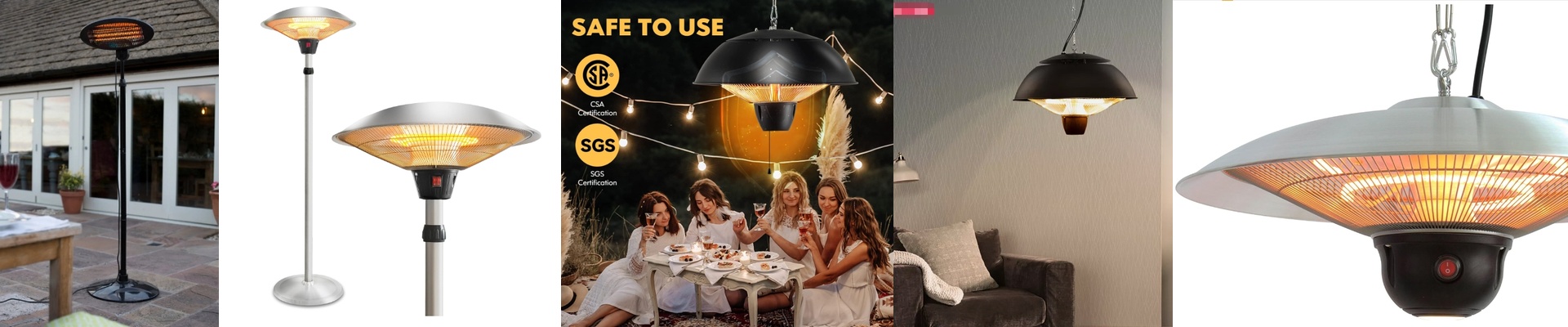
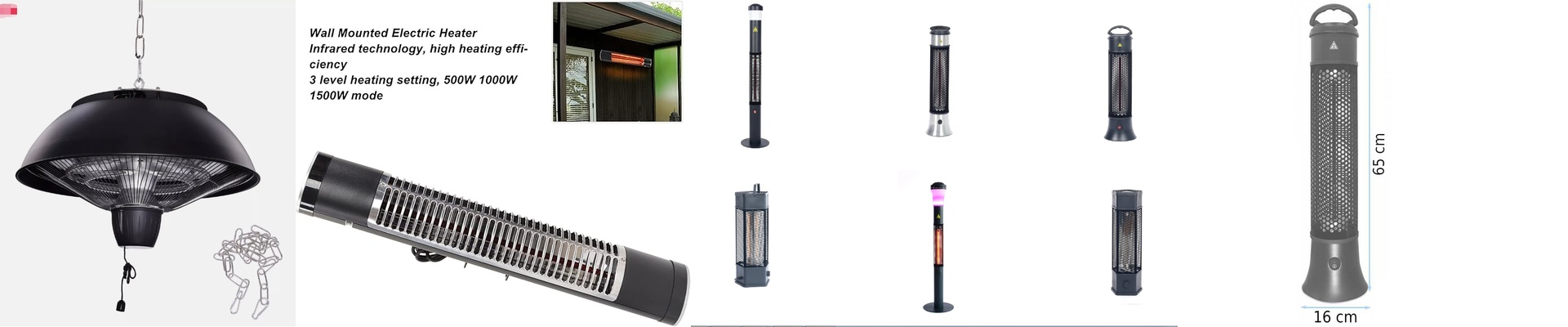
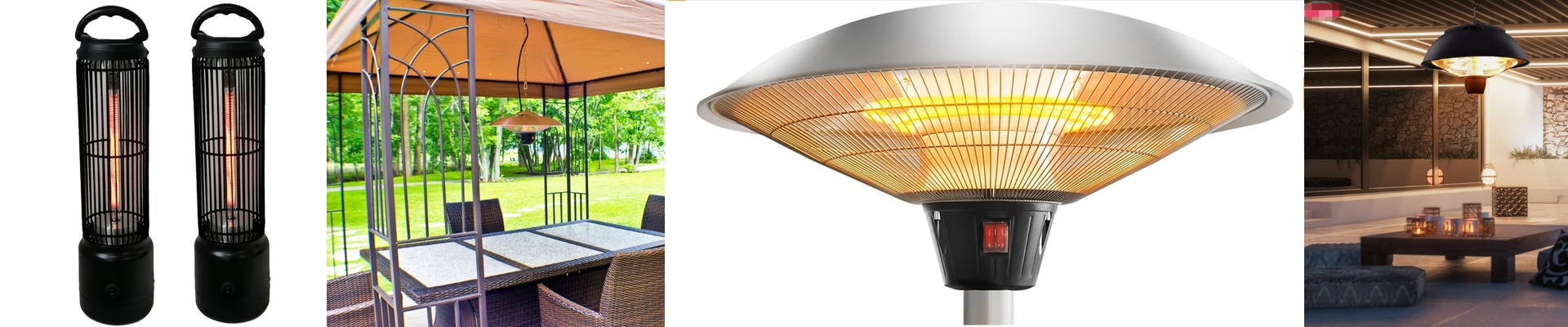
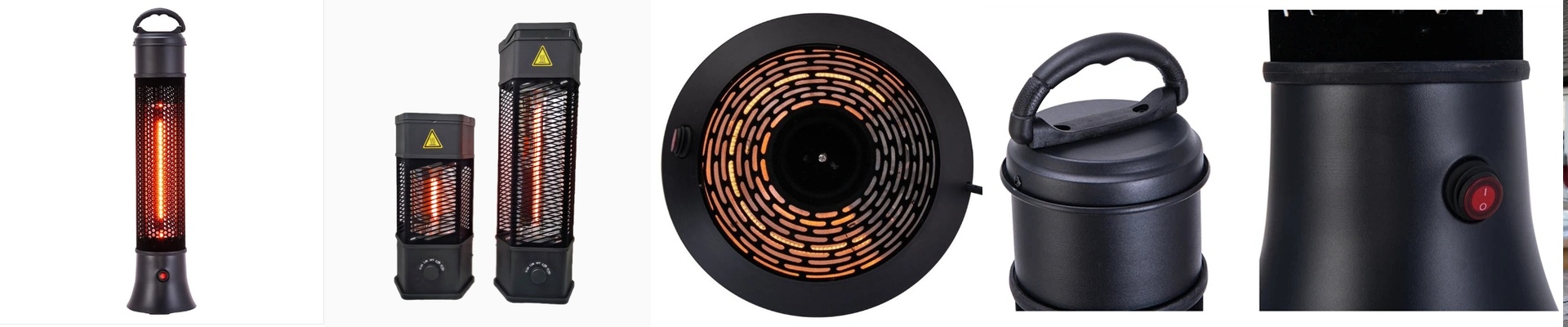
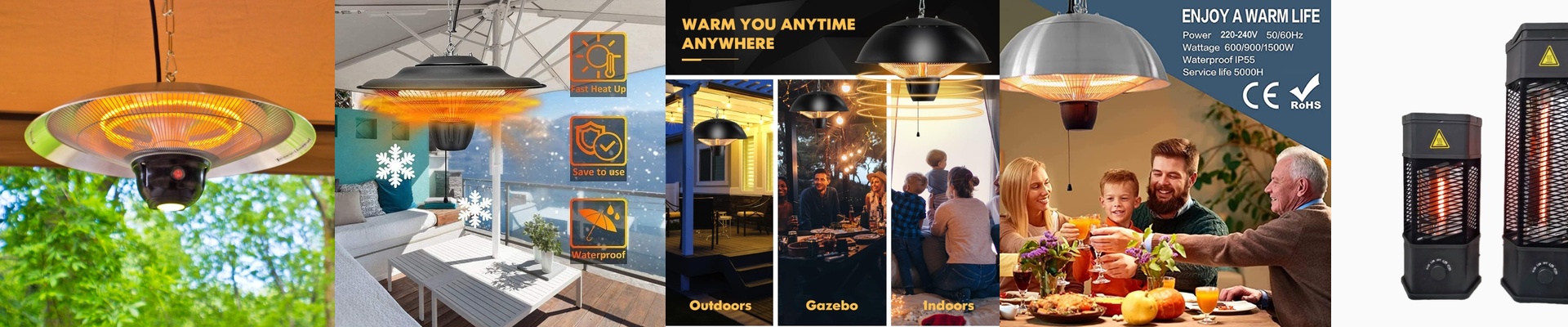
It’s a frustrating sight: a beautiful outdoor dining area sitting completely empty just because the temperature dropped. Most people try to fix this with standard space heaters, but those just try to warm the air. In an open space, the wind just carries that warmth away before it ever hits your guests. That’s why we use shortwave infrared. Instead of fighting the wind, these heaters send energy straight to the person and the chair. It’s a different feeling. Your guests stay warm even when the air around them is freezing. The trick is all about “heat zones.” You don’t need to try and heat the entire outdoors—that’s just throwing money away. We focus the heat exactly where the people are. By using high-wattage units and high-voltage circuits, the warmth hits them the second they sit down. No shivering while they wait for their appetizers. Getting the hardware right We stick with quartz elements because they can actually handle the abuse of being outside. As for where they go? Aim for about 2.5 to 3 meters up. If you go too high, the heat disappears. Too low, and your guests will feel like they’re sitting under a heat lamp at a buffet. One quick warning: check your power. If you throw ten 2000W heaters on a line, that’s a massive pull on your electricity. You don’t want your breakers tripping right in the middle of a Friday night rush. That’s a nightmare nobody needs. Keeping people in their seats Here is the bottom line: cold people leave. When a guest is shivering, they skip the second drink and definitely skip dessert. They just want to get inside. But when they’re cozy, they linger. They order more. They enjoy themselves. Just be careful with your layout. Infrared travels in a straight line, so if you leave a gap in your setup, you’ll get “cold spots.” And trust me, no one is going to sit at the table that feels like a walk-in freezer.