Keeping Your Patio Warm (Without Wasting Money)
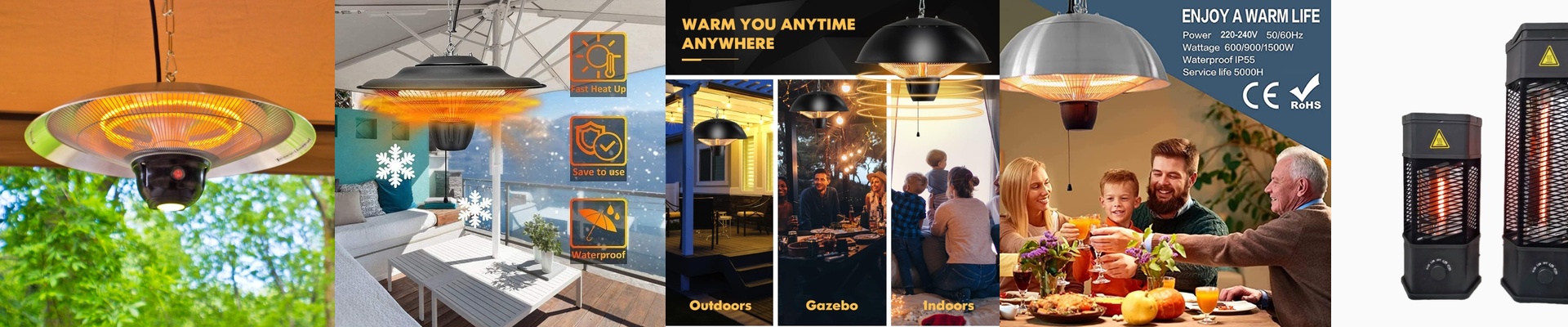
Nobody wants to eat dinner shivering in a coat. When it gets cold, your outdoor tables go empty, and you lose money. It’s that simple. Most people try to fix this with standard heaters that warm up the air. But if you’re outdoors, you’re basically trying to heat the wind. It doesn’t work. Instead, we use infrared heaters. Think of it like the sun. The heat doesn’t float around; it beams straight down onto your guests and their food. They feel warm instantly, even if there’s a breeze blowing through the patio.
The “Weather-Proof” Part
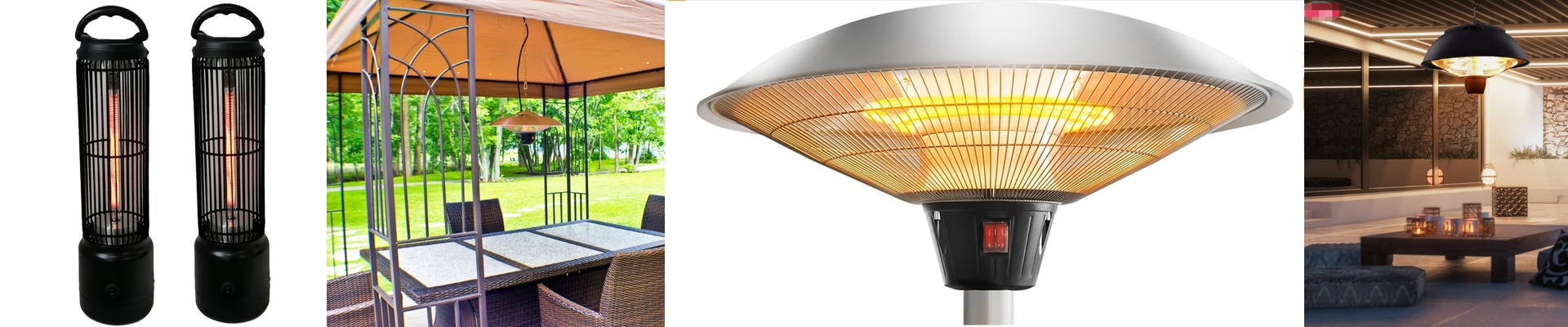
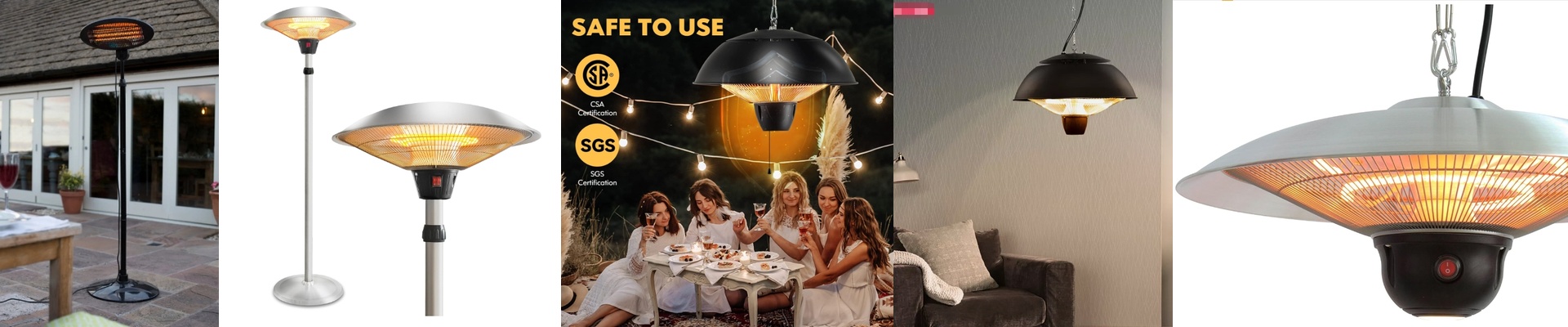
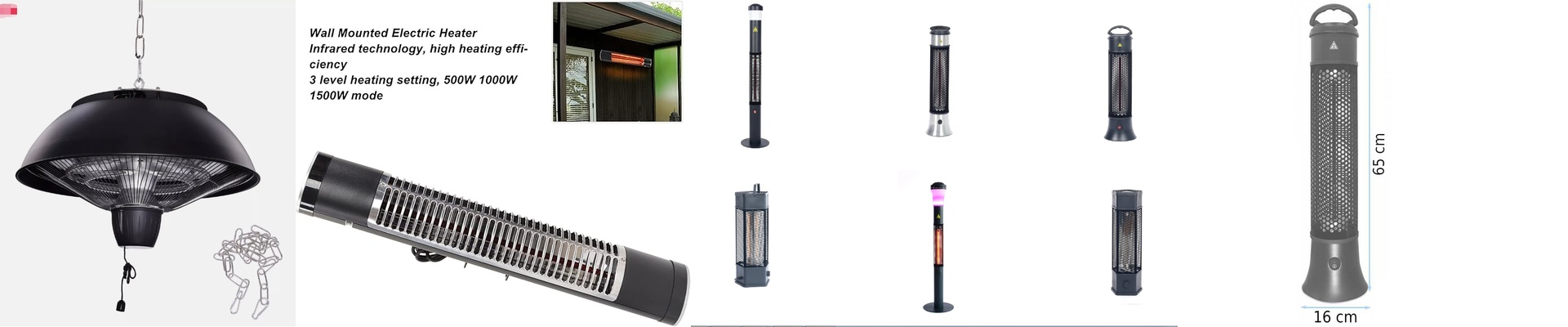
Since these live outside, you can’t just use any heater. We stick with IP65-rated gear. In plain English? It means the units are sealed tight against dust and can handle a blast of water from any direction. If you cheap out and use a non-rated heater, moisture creeps into the terminals. Then you get a short circuit, a blown element, and a very cold customer. We also go for high wattage. Why? Because it lets us mount the heaters higher up. You get the heat exactly where it needs to be—at the table—but the units stay far enough away that guests aren’t accidentally touching them.
Why Shortwave Matters
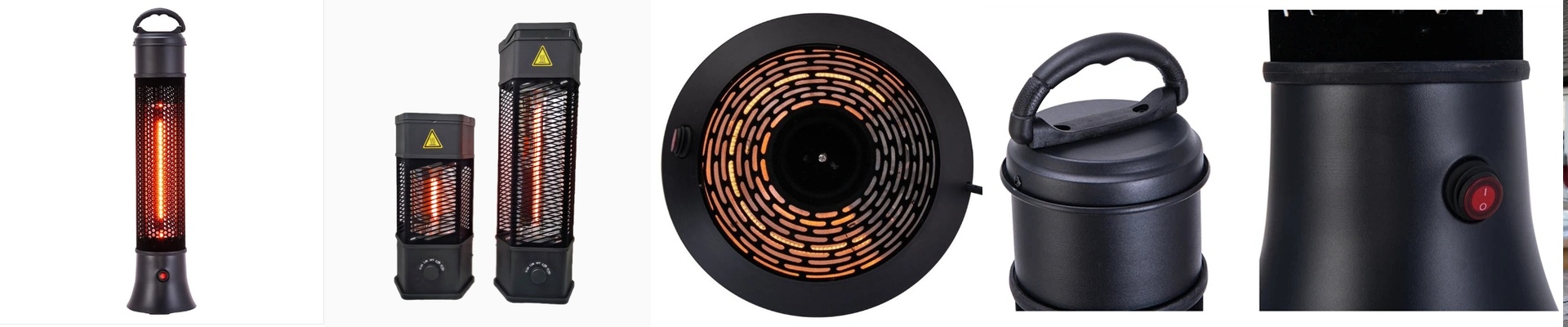
We use shortwave infrared for these setups. It’s the closest thing to actual sunlight. It hits the skin and sinks in deep. Your guests feel that warmth the second they sit down. And here’s the real win: when people feel cozy, they relax. They stay for another drink. They order dessert. It just makes the whole experience better.
A Few Warnings on Setup
Here is the catch: you can’t just plug these into a regular wall outlet and call it a day. These arrays pull a lot of power. Before you start wiring, you’ve got to check your circuit breakers and make sure your wires are thick enough to handle the load. If the cabling is flimsy, the voltage drops, the elements never get hot enough, and you’re left with a lukewarm patio. One last tip: watch your spacing. You want the heat zones to overlap slightly so there aren’t any random “cold spots” between tables. Just make sure you leave enough breathing room so you don’t accidentally melt a mounting bracket or overheat the ceiling.